

Working Principle and Characteristics of Air-Pneumatic Conveying for Tailings and Slag Materials
HeadPowder, a leading provider in the field of material handling solutions, specializes in advanced air-pneumatic conveying systems designed for the efficient transport of tailings and slag materials. This article delves into the fundamental working principles and key characteristics of such systems, highlighting their applications and benefits in industrial settings.
Introduction to Air-Pneumatic Conveying Systems
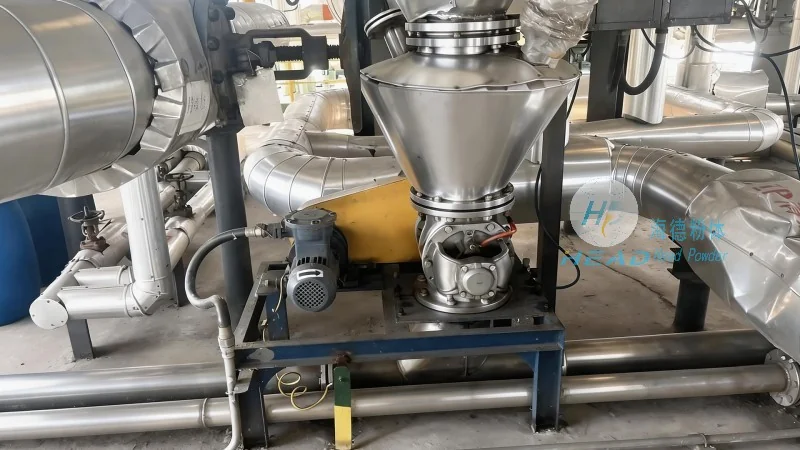
At the core of air-pneumatic conveying technology is the use of pressurized or vacuum air to move bulk materials through a pipeline network. This method offers a flexible and efficient alternative to traditional mechanical conveying systems, such as belt conveyors or screw conveyors, particularly for handling fine or abrasive materials like tailings and slag. The system typically consists of a blower or vacuum pump, a hopper for material storage, a pipeline system, and a discharge point where the material is released.

Working Principle of Air-Pneumatic Conveying for Tailings and Slag
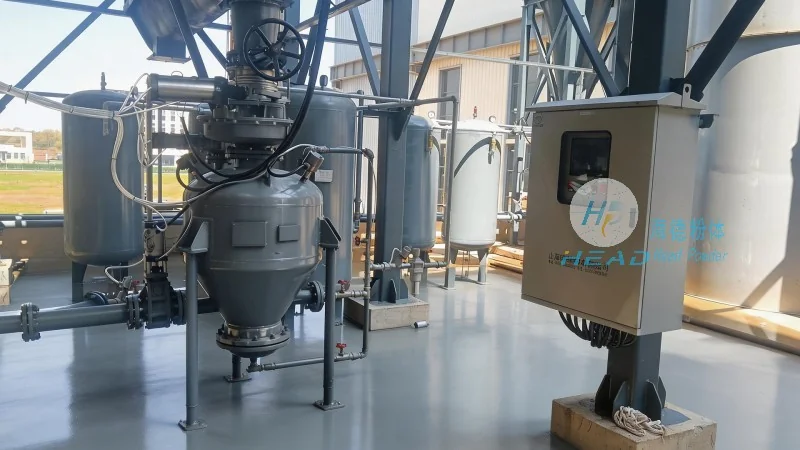
The operation of an air-pneumatic conveying system for tailings and slag materials involves several key steps. Initially, the material is fed into a hopper or feeder, where it is then introduced into the pipeline. The blower or vacuum pump generates a flow of air, which can be either positive pressure (blowing air into the pipe) or negative pressure (sucking air out of the pipe). In positive pressure systems, air is forced through the pipeline, carrying the material particles along with it. The air velocity must be sufficient to overcome the gravitational and frictional forces acting on the particles, ensuring stable transport. Conversely, in negative pressure systems, the air is drawn out of the pipeline, creating a vacuum that pulls the material particles into the pipe. The design of the system, including the air velocity, pipe diameter, and material characteristics, is critical to achieving efficient and reliable transport.
Key Characteristics of Air-Pneumatic Conveying for Tailings and Slag
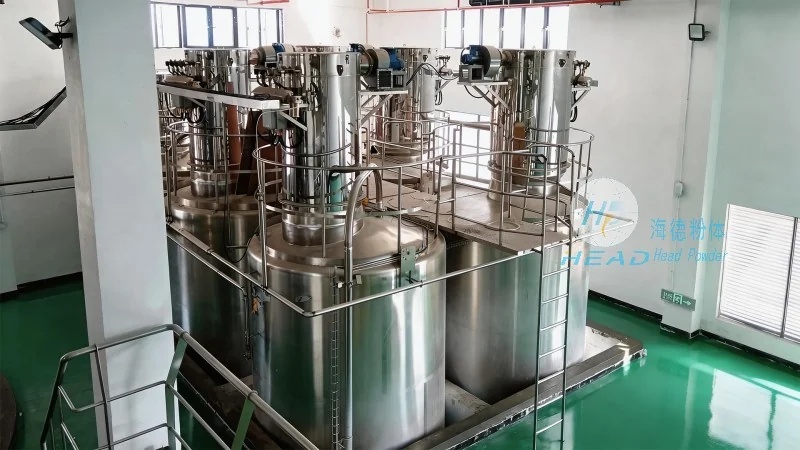
Several distinct characteristics define air-pneumatic conveying systems for tailings and slag materials, making them suitable for various industrial applications. First, the system offers high flexibility in terms of layout and installation. Unlike fixed mechanical conveyors, air-pneumatic systems can be easily reconfigured or expanded to accommodate changes in production processes or facility layouts. Second, the technology provides excellent material handling capabilities for fine or abrasive materials. The air flow helps to prevent material buildup and blockages, reducing the risk of system downtime. Third, air-pneumatic conveying is generally more hygienic and dust-free compared to other methods, as the material is enclosed within the pipeline, minimizing exposure to the environment. Fourth, the system can handle a wide range of particle sizes and moisture contents, making it versatile for different tailings and slag compositions. Additionally, the energy efficiency of air-pneumatic systems is notable, as they can operate with lower power consumption compared to some mechanical alternatives, especially for short to medium transport distances.
Applications and Benefits in Industrial Settings
HeadPowder's air-pneumatic conveying systems are widely used in mining and mineral processing industries for the transport of tailings and slag from processing plants to disposal sites or storage facilities. The systems are also applicable in power plants for handling fly ash and bottom ash, as well as in cement and concrete production for transporting raw materials or byproducts. The benefits of these systems include improved safety by reducing manual handling of materials, enhanced process efficiency through reliable and continuous material transport, and reduced maintenance costs due to fewer moving parts compared to mechanical conveyors. Furthermore, the ability to handle abrasive materials without significant wear and tear on components makes air-pneumatic systems a cost-effective solution for long-term operation.
Conclusion
HeadPowder Engineering Co., Ltd., based in Shandong, China, leverages advanced engineering and technology to design and manufacture air-pneumatic conveying systems tailored to the specific needs of tailings and slag handling. By understanding the working principles and characteristics of these systems, industrial facilities can optimize their material transport processes, enhance operational efficiency, and ensure compliance with safety and environmental standards. The integration of such systems into industrial operations reflects a commitment to innovation and sustainable material handling practices.