

Working Principle and Features of Denitrification Fly Ash Powder Conveying System Equipment
Denitrification fly ash, as a byproduct of flue gas desulfurization and denitrification processes in thermal power plants, poses significant challenges in handling and transportation. The efficient conveyance of this fine powder is crucial for the safe and sustainable operation of power generation facilities. This article delves into the working principle and key features of the denitrification fly ash powder conveying system equipment, highlighting its role in modern industrial applications.
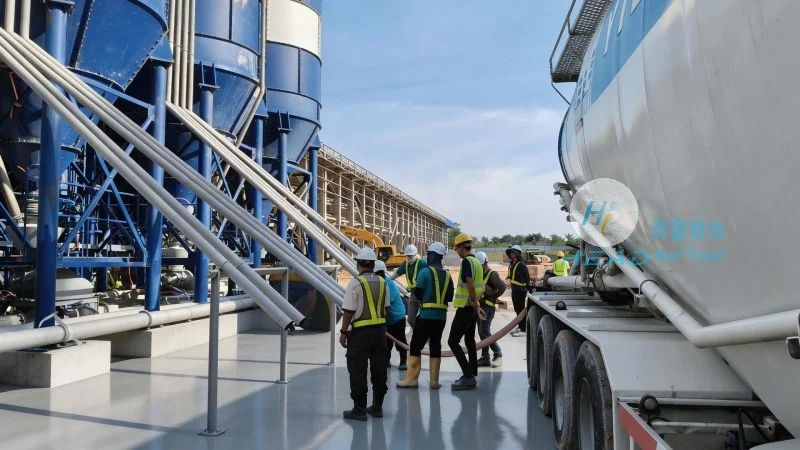
Overview of Denitrification Fly Ash Powder Conveying Systems
Denitrification fly ash, also known as flue gas desulfurization (FGD) gypsum or calcium sulfate dihydrate, is a fine particulate material generated during the removal of nitrogen oxides from flue gases. Its handling requires specialized equipment due to its high moisture content, abrasive nature, and potential for dust generation. The denitrification fly ash powder conveying system is designed to transport this material from the FGD system to storage or disposal sites with minimal loss and environmental impact.
Working Principle of the Conveying System
The denitrification fly ash powder conveying system typically operates on the principle of pneumatic or mechanical conveying, depending on the specific design and application requirements. A common configuration involves a series of components, including a feed hopper, a conveyor pipeline, a dust collection system, and a control unit. The process begins with the ash being fed into the hopper, where it is then transferred to the conveying pipeline through a rotary valve or screw feeder. The material is then propelled through the pipeline using compressed air or a positive displacement pump, ensuring a consistent flow rate and preventing blockages.
Key components of the system include the ash feed hopper, which is equipped with a level sensor to monitor the material inventory, and a rotary airlock valve that regulates the ash discharge rate. The conveying pipeline is usually made of corrosion-resistant materials, such as stainless steel or polyethylene, to withstand the abrasive nature of the fly ash and prevent material buildup. A dust collection system, often integrated with the pipeline, captures any airborne particles, ensuring compliance with environmental regulations and maintaining a clean working environment.
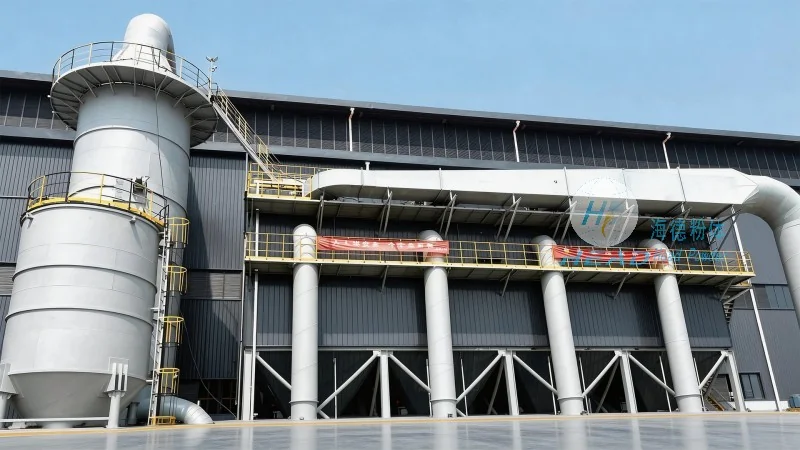
Key Features and Advantages
The denitrification fly ash powder conveying system from Shandong HeadPowder Engineering Co., Ltd. (referred to as HeadPowder) offers several distinct features that enhance its performance and reliability. One of the primary advantages is its high conveying efficiency, which minimizes material loss and ensures a consistent flow rate even with varying ash characteristics. The system is designed to handle a wide range of ash compositions, including those with high moisture content or abrasive particles, without compromising its operational stability.
Another notable feature is the system's modular design, which allows for easy installation and maintenance. The components are arranged in a compact layout, reducing the overall footprint of the equipment and facilitating access for routine checks and repairs. The control unit, equipped with advanced sensors and automation technology, provides real-time monitoring of the conveying process, enabling operators to detect and address any issues promptly. This enhances the system's reliability and reduces downtime, contributing to the overall efficiency of the power plant operations.
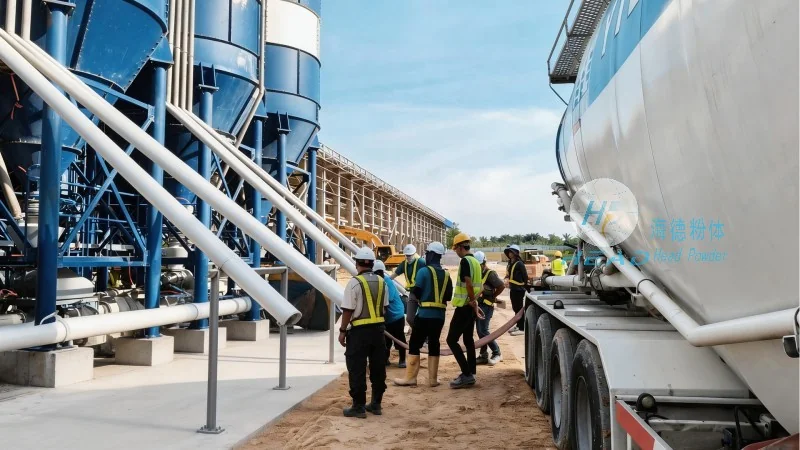
The system also incorporates environmental protection measures, such as the integrated dust collection system, which captures fine particles and prevents their release into the atmosphere. This not only complies with environmental regulations but also improves the working conditions for personnel by reducing dust exposure. Additionally, the use of corrosion-resistant materials in the pipeline and components ensures a long service life, minimizing the need for frequent replacements and reducing maintenance costs over time.
Application and Industry Impact
The denitrification fly ash powder conveying system is widely used in thermal power plants, particularly those equipped with flue gas desulfurization and denitrification systems. Its efficient operation is critical for maintaining the performance of the FGD system and ensuring the safe disposal of the byproduct. By effectively conveying the ash to storage or utilization sites, the system supports the overall sustainability goals of the power generation industry, reducing the environmental impact of ash disposal and promoting the reuse of this material in construction and other applications.
HeadPowder, as a leading manufacturer in this field, has developed a range of conveying systems tailored to the specific needs of power plants. The company's expertise in material handling and industrial automation has enabled the design of systems that meet both operational and environmental requirements. With a focus on quality and reliability, HeadPowder's denitrification fly ash powder conveying systems are recognized for their durability and performance, contributing to the efficient operation of power generation facilities worldwide.