

What is a Boron Powder Material Pneumatic Conveying Equipment? What Are Its Design Principles?
For industries dealing with boron powder, efficient material handling is crucial. Pneumatic conveying equipment offers a reliable solution for transporting boron powder from one location to another. This article explores what such equipment is and the key design principles that ensure its effective operation.
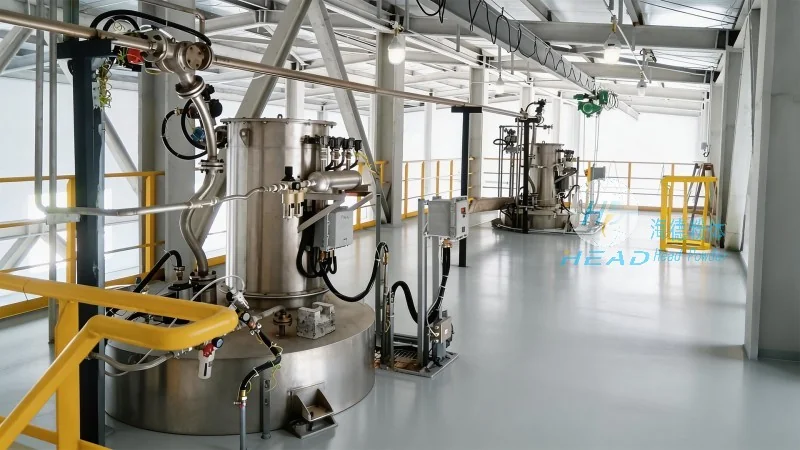
What is Pneumatic Conveying Equipment for Boron Powder?
Pneumatic conveying equipment for boron powder is a system designed to transport dry powder materials like boron powder through a pipeline using air or other gases. The system typically consists of a hopper, a blower or compressor, a pipeline network, and a discharge device. The primary function is to move boron powder from a storage or processing area to a processing or packaging unit without the need for manual handling or mechanical components that might cause contamination or damage to the powder.
Design Principles of Boron Powder Pneumatic Conveying Systems
The design of boron powder pneumatic conveying systems follows several critical principles to ensure optimal performance, efficiency, and safety. First, the system must be tailored to the specific characteristics of boron powder, including its particle size, density, and flowability. Boron powder often has fine particles that can cause clogging or abrasion in the conveying system, so materials used for the hopper, pipeline, and valves must be selected to withstand these challenges. For instance, stainless steel or specialized plastic components are commonly used to prevent corrosion and wear from the powder.
Second, the air velocity and pressure within the pipeline are carefully controlled to maintain a stable and consistent flow of boron powder. The design must ensure that the air velocity is sufficient to keep the powder suspended and prevent it from settling or clogging the pipeline. This often involves calculating the appropriate air volume and pressure based on the powder's properties and the system's layout. Proper design also considers the length and diameter of the pipeline, as these factors directly impact the energy consumption and overall efficiency of the conveying process.
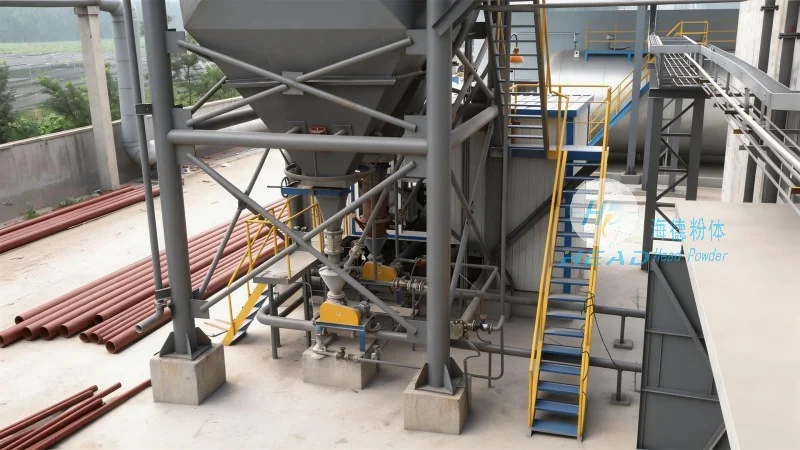
Third, the system incorporates features to handle the unique properties of boron powder, such as its potential for static electricity. Boron powder can accumulate static charge, which may cause dust explosions or hinder flow. Therefore, anti-static measures, like grounding and using conductive materials, are integrated into the design to ensure safe and efficient operation. Additionally, the system may include filters and cyclones to separate the powder from the air at the discharge end, preventing dust contamination and maintaining air quality.
Key Components and Their Roles in Boron Powder Pneumatic Conveying
Several key components make up a boron powder pneumatic conveying system, each playing a vital role in the overall operation. The hopper is the starting point, where boron powder is stored and fed into the system. It is designed to maintain a consistent powder level and provide a smooth feed to the blower. The blower or compressor generates the necessary air pressure and volume to move the powder through the pipeline. This component must be powerful enough to handle the resistance from the pipeline and the powder's characteristics.
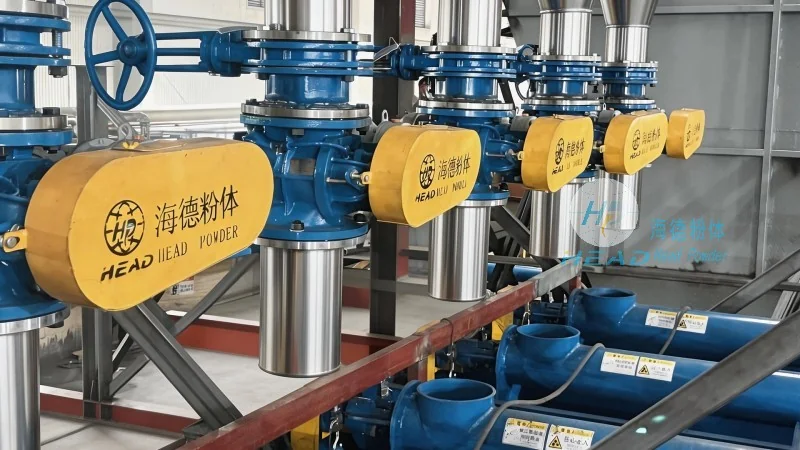
The pipeline network connects the hopper to the discharge point and may include bends, valves, and expansion joints to accommodate changes in direction or elevation. Properly designed bends and valves are essential to maintain air flow and prevent pressure drops that could lead to clogging. The discharge device, such as a cyclone or a rotary valve, separates the boron powder from the air at the end of the pipeline and directs the powder to its destination. Filters and dust collectors are also included to capture any residual powder and ensure clean air is released back into the environment.
Benefits of Using Boron Powder Pneumatic Conveying Equipment
Implementing pneumatic conveying equipment for boron powder offers numerous benefits for industrial applications. One of the primary advantages is the ability to transport the powder in a closed system, which prevents contamination from external sources and reduces dust emissions, improving workplace safety and environmental compliance. This is particularly important for boron powder, which can be hazardous if inhaled or if it causes static discharge.
Another benefit is the reduction in labor costs and manual handling. Pneumatic conveying eliminates the need for workers to handle heavy or fine powders manually, reducing the risk of injury and improving operational efficiency. The system also minimizes product loss and degradation, as the powder is not exposed to air or mechanical stress during transport. This ensures that the quality of the boron powder remains consistent throughout the process.
Furthermore, pneumatic conveying systems are flexible and can be easily integrated into existing production lines. They can handle varying powder quantities and can be adjusted to accommodate changes in production needs. The closed system design also allows for better control over the powder's temperature and moisture content, which is critical for maintaining the powder's quality and preventing caking or agglomeration.
Conclusion
Boron powder pneumatic conveying equipment is a sophisticated system designed to efficiently and safely transport boron powder in industrial settings. By adhering to key design principles, such as material selection, air velocity control, and anti-static measures, these systems ensure optimal performance and reliability. The benefits of using such equipment, including improved safety, reduced labor costs, and enhanced product quality, make it a valuable investment for industries dealing with boron powder. With proper design and maintenance, pneumatic conveying systems can provide long-term operational efficiency and contribute to the overall success of boron powder processing operations.