

What is a High-Calcium Powder Pneumatic Conveying System? Understanding Its Design Principles
High-calcium powder, a critical raw material in various industrial sectors, often requires efficient and reliable transportation methods to maintain its quality and ensure smooth production processes. The high-calcium powder pneumatic conveying system, developed by Shandong HeadPowder Engineering Co., Ltd. (referred to as HeadPowder), headquartered in Shandong, China, addresses these challenges by providing a robust solution for handling such powders. This article explores the fundamentals of this system and its underlying design principles, offering insights into how it enhances material handling in industrial applications.
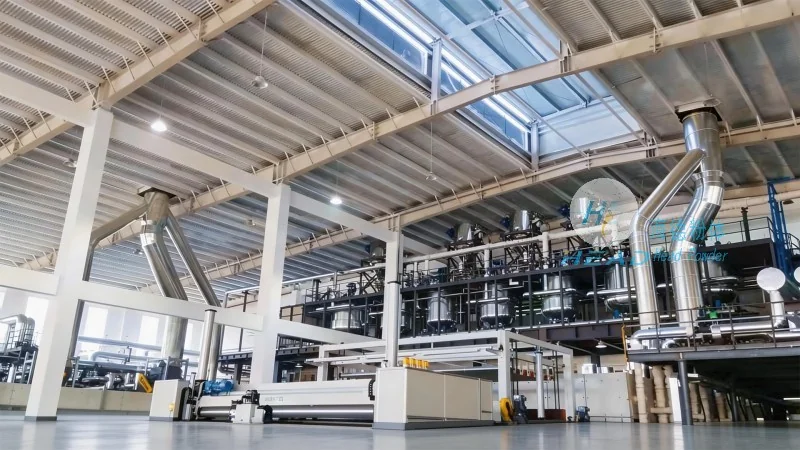
Overview of High-Calcium Powder Pneumatic Conveying Systems
High-calcium powder, typically composed of calcium carbonate with high purity and specific particle characteristics, is widely used in industries such as construction, pharmaceuticals, and food processing. Traditional methods of transporting this powder, like bucket elevators or belt conveyors, may suffer from issues like material degradation, dust generation, and operational inefficiencies. The pneumatic conveying system offers a solution by utilizing air as the conveying medium, enabling the powder to be transported in a closed system, minimizing contamination and environmental impact.
Design Principles of the High-Calcium Powder Pneumatic Conveying System
The design of a high-calcium powder pneumatic conveying system is based on several key principles to ensure optimal performance and reliability. These principles include the selection of appropriate air flow rates, pressure differentials, and system components tailored to the specific properties of the high-calcium powder. The system typically consists of a blower or compressor to generate the necessary air pressure, a hopper or feeder to introduce the powder, and a pipeline network that transports the powder-air mixture to the destination point. The design also considers factors like particle size distribution, moisture content, and bulk density of the powder to optimize the conveying efficiency.
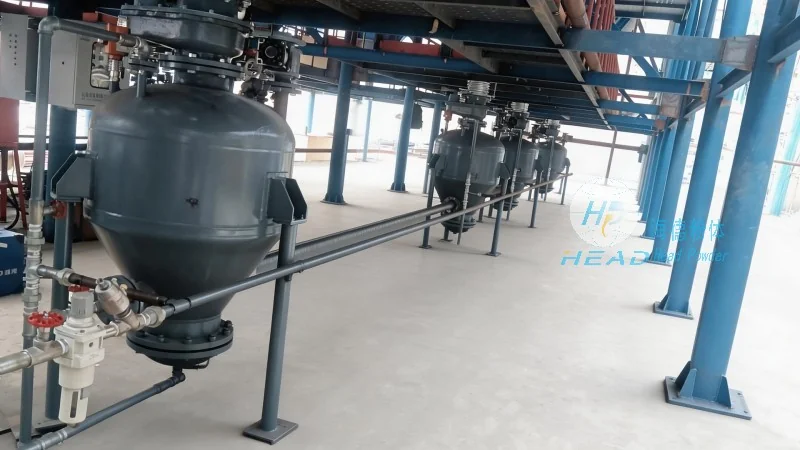
Key Components and Their Functions
Several critical components make up the high-calcium powder pneumatic conveying system, each playing a vital role in the overall operation. The blower or compressor is the heart of the system, providing the pressure needed to move the powder through the pipeline. The feeder, often a rotary valve or a screw feeder, controls the flow rate of the high-calcium powder into the system, ensuring a consistent and controlled feed. The pipeline network, made of materials resistant to corrosion and wear, transports the powder-air mixture from the source to the destination. Additionally, components like filters and cyclones are used to separate the powder from the air at the end of the conveying process, allowing for the recovery of the powder and the recycling of the air.
Advantages of Using a High-Calcium Powder Pneumatic Conveying System
Implementing a high-calcium powder pneumatic conveying system offers numerous advantages over traditional transportation methods. One of the primary benefits is the ability to handle the powder in a closed system, which significantly reduces dust emissions and minimizes environmental contamination. This is particularly important for high-calcium powder, which can be fine and easily airborne. Additionally, the system allows for precise control over the flow rate and pressure, ensuring consistent delivery of the powder to the processing equipment. The closed system also helps maintain the quality of the high-calcium powder by preventing exposure to moisture, contaminants, or other environmental factors that could affect its performance.
Application Scenarios and Industrial Use Cases
The high-calcium powder pneumatic conveying system is widely used in various industrial applications where efficient handling of fine powders is essential. In the construction industry, it is used to transport high-calcium powder for cement production, ensuring a consistent supply of raw materials to the production line. In the pharmaceutical industry, the system is employed to handle high-purity calcium carbonate powders used in drug formulations, maintaining the integrity and quality of the final product. Similarly, in the food processing industry, the system is used to transport calcium-rich powders for nutritional supplements, ensuring that the powder remains free from contamination and retains its nutritional value.
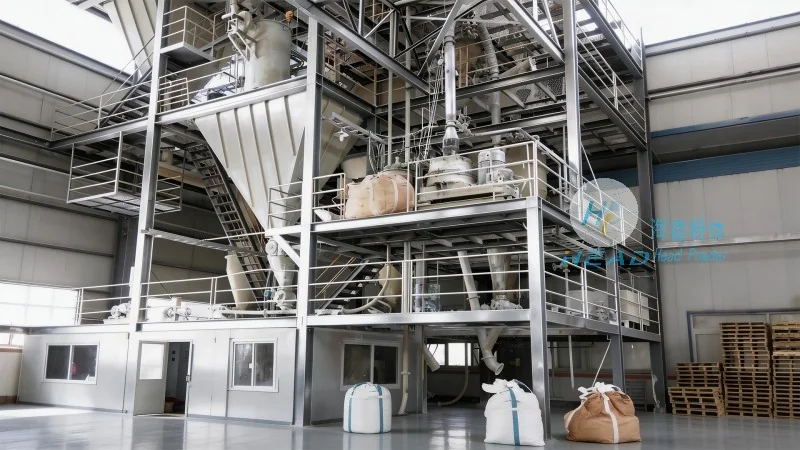
Customization and Scalability for Different Needs
Shandong HeadPowder Engineering Co., Ltd. recognizes that different industrial applications have unique requirements. Therefore, the high-calcium powder pneumatic conveying systems are designed to be customizable and scalable to meet the specific needs of clients. The company offers tailored solutions based on factors such as the volume of powder to be conveyed, the distance of transportation, and the specific properties of the high-calcium powder. This flexibility allows industries to optimize their material handling processes while maintaining efficiency and cost-effectiveness. The systems can be scaled from small-scale laboratory applications to large-scale industrial production lines, ensuring that clients can find a solution that fits their operational needs.
Maintenance and Operational Considerations
Proper maintenance and operational considerations are crucial for the long-term performance and reliability of the high-calcium powder pneumatic conveying system. Regular maintenance, including cleaning of filters, checking for wear and tear on components, and ensuring proper air pressure, helps prevent system failures and extends the lifespan of the equipment. Operational considerations also include monitoring the flow rate and pressure to ensure consistent performance and addressing any issues promptly. By adhering to proper maintenance practices and operational guidelines, industries can maximize the efficiency and reliability of the system, ensuring smooth and continuous production processes.