

What is a Gray Calcium Powder Material Pneumatic Conveying System? Understanding Its Design Principl
Gray calcium powder is a widely used industrial material, often utilized in construction, manufacturing, and various processing applications. The efficient and reliable transportation of such powders is crucial for maintaining production efficiency and product quality. This article, presented by Shandong HeadPowder Engineering Co., Ltd. (headpowder), delves into the concept of a gray calcium powder material pneumatic conveying system, exploring its functionality and the underlying design principles that enable its operation.
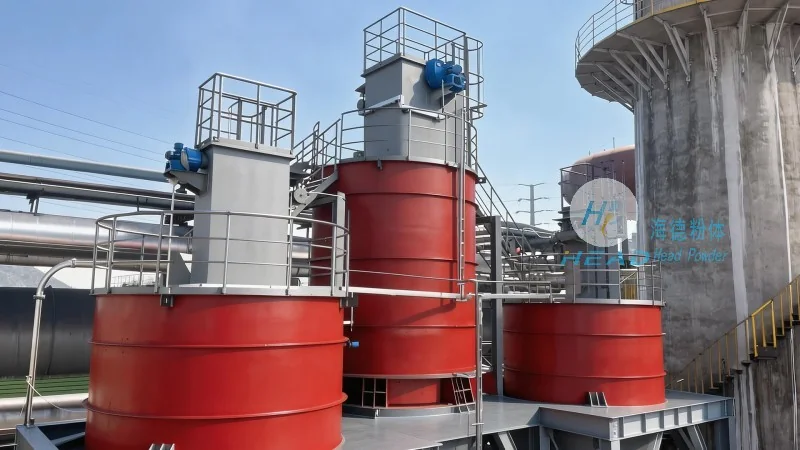
Introduction to Gray Calcium Powder Material Pneumatic Conveying Systems
At the core of many industrial processes is the need to move bulk materials like gray calcium powder from one location to another. Traditional methods such as belt conveyors or bucket elevators may not always be suitable for fine powders due to issues like dust generation, material degradation, or system complexity. Pneumatic conveying systems offer a solution by utilizing air or gas to transport materials through a pipeline network. For gray calcium powder, which is typically fine and can be prone to caking or agglomeration, a specialized system is required to ensure optimal performance.
Key Components of a Gray Calcium Powder Pneumatic Conveying System
A pneumatic conveying system for gray calcium powder consists of several critical components that work in tandem to achieve efficient material transport. The primary components include a material feeder, a conveying line (often equipped with airlocks or rotary valves), a vacuum or pressure source (such as a blower or compressor), and a receiver or discharge unit. Each component plays a vital role in the overall system's operation.
The material feeder is responsible for feeding the gray calcium powder into the conveying line at a controlled rate. This prevents overloading the system and ensures a steady flow of material. For gray calcium powder, which can be cohesive or have varying particle sizes, a rotary valve or a star feeder is commonly used to maintain consistent feeding. The conveying line itself is typically made of stainless steel or other corrosion-resistant materials to withstand the abrasive nature of the powder and prevent contamination.
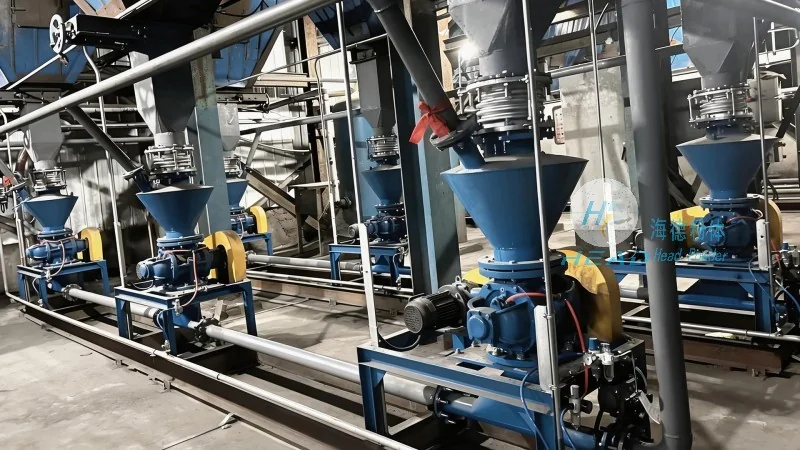
The air source, whether a vacuum or pressure system, provides the necessary force to move the powder through the pipeline. Vacuum systems are often used for suction conveying, where the material is drawn from a hopper into the line, while pressure systems push the material forward. The choice between vacuum and pressure depends on factors such as the distance to be covered, the material's properties, and the system's overall design. For gray calcium powder, a pressure system is often preferred as it can handle longer distances and maintain a consistent flow without the risk of material settling in the line.
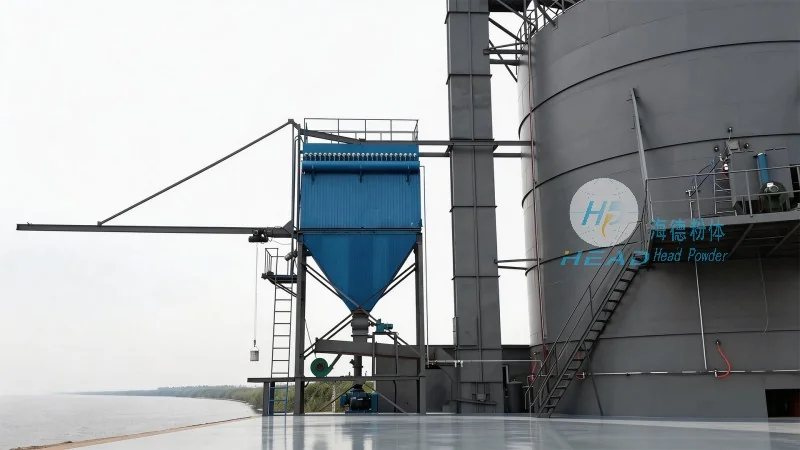
The receiver or discharge unit is where the gray calcium powder is collected after being transported through the pipeline. It is designed to minimize dust emissions and ensure a clean discharge. Many systems include a dust collection system, such as a cyclone separator or a baghouse, to capture any particles that may escape during the process. This not only improves safety but also maintains environmental compliance.
Design Principles for Efficient Gray Calcium Powder Pneumatic Conveying
The design of a gray calcium powder pneumatic conveying system is based on several key principles to ensure optimal performance and reliability. One of the most critical principles is maintaining a consistent air-to-material ratio. This ratio determines the velocity of the powder in the line and affects the system's capacity and efficiency. An optimal ratio ensures that the powder is fully suspended and transported without settling or clogging the pipeline.
Another important design principle is the consideration of the material's properties. Gray calcium powder has specific characteristics, such as its particle size distribution, moisture content, and flowability, which must be taken into account during system design. For example, if the powder is prone to agglomeration, the system may include a de-agglomeration device or a pre-drying step to improve its flow characteristics. The system's design must also account for the potential for dust generation, as gray calcium powder is often fine and can create airborne particles that require proper handling and control.
The system's layout and pipeline design are also critical factors in its performance. The pipeline should be sized appropriately to handle the material's flow rate and velocity, with smooth transitions and minimal bends to avoid pressure losses or material accumulation. The use of airlocks or rotary valves at the feeder and discharge points helps to prevent backflow and maintain a consistent flow. Additionally, the system should be equipped with monitoring and control devices to ensure that it operates within safe and efficient parameters.
Benefits of Using a Gray Calcium Powder Pneumatic Conveying System
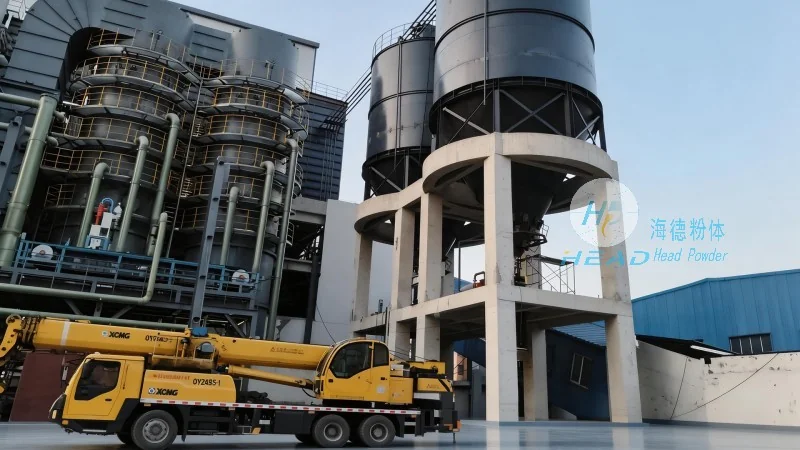
Implementing a pneumatic conveying system for gray calcium powder offers numerous benefits for industrial operations. One of the primary advantages is the reduction in labor costs associated with manual handling of bulk materials. The automated system allows for continuous operation, minimizing downtime and increasing overall productivity. Additionally, pneumatic conveying systems are more hygienic and cleaner than traditional methods, as they do not involve direct contact with the material, reducing the risk of contamination.
The system also provides better control over the material's flow and quality. By maintaining a consistent air-to-material ratio and controlling the feeding rate, the system ensures that the gray calcium powder is transported without degradation or loss of quality. This is particularly important for applications where the powder's properties, such as its fineness or moisture content, directly impact the final product's performance.
Furthermore, pneumatic conveying systems are more flexible and adaptable to changing production needs. The system can be easily modified or expanded to accommodate increased production volumes or different material types. This flexibility makes it an ideal solution for industries that require frequent changes in their processing operations.
Conclusion
Gray calcium powder material pneumatic conveying systems are an essential component of modern industrial operations, providing efficient, reliable, and safe transportation of fine powders. The design principles and components of such systems are tailored to the specific properties of gray calcium powder, ensuring optimal performance and minimal material loss. By understanding the functionality and design of these systems, industrial operators can make informed decisions to enhance their production processes and improve overall efficiency.