

What is a Joint Compound Material Pneumatic Conveying System? And What Are Its Design Principles?
For manufacturers in the joint compound industry, efficient material handling is crucial to maintaining production efficiency and product quality. A pneumatic conveying system specifically designed for joint compound materials represents a key solution to this challenge. This article will explore the concept of a joint compound material pneumatic conveying system and delve into its fundamental design principles, providing insights into how such systems enhance operational performance.
Introduction to Joint Compound Material Pneumatic Conveying Systems
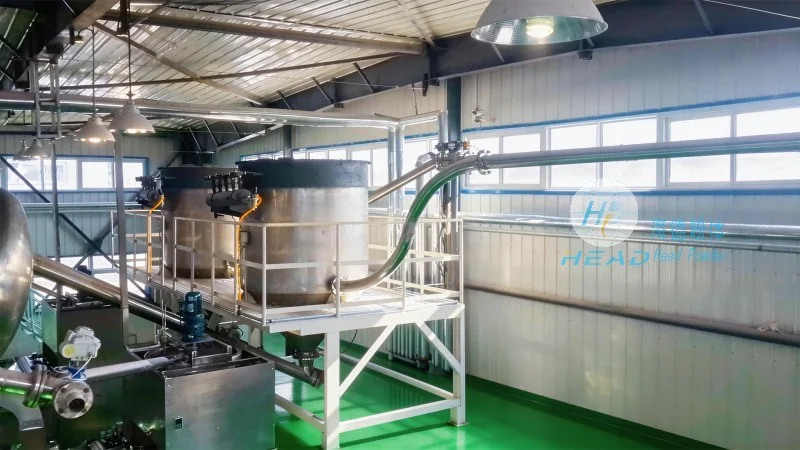
A joint compound material pneumatic conveying system is a technology used to transport dry powder materials, such as joint compounds, through a pipeline using compressed air or other gas. This method offers a dust-free, continuous, and automated solution for moving bulk materials from one location to another within a production facility or between different stages of the manufacturing process. The system typically consists of components like a hopper, feeder, conveying line, and receiver, all working in tandem to ensure smooth material flow.
About Shandong HeadPowder Engineering Co., Ltd.
HeadPowder, the brand under Shandong HeadPowder Engineering Co., Ltd., is a professional manufacturer specializing in engineering solutions for the construction materials industry. With a focus on innovation and quality, the company provides customized pneumatic conveying systems tailored to the unique needs of joint compound producers. HeadPowder's expertise lies in designing systems that optimize material handling while ensuring compliance with industry standards and environmental regulations.
Core Design Principles of Pneumatic Conveying Systems
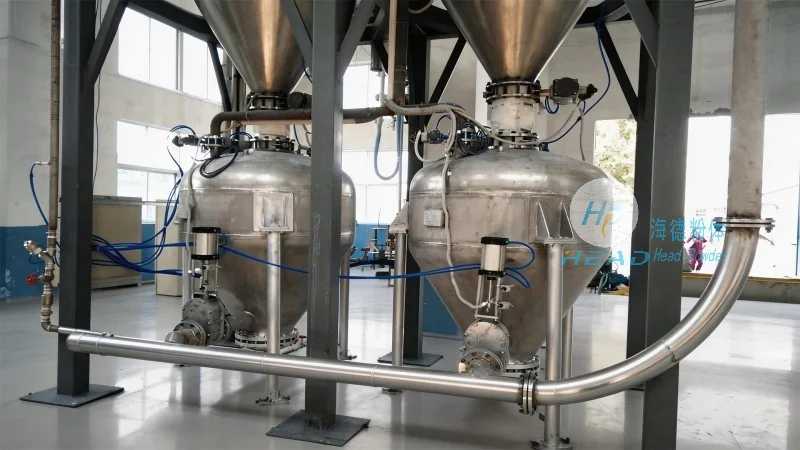
The design of a joint compound material pneumatic conveying system is based on several key principles to ensure reliable operation and efficient material transport. One of the primary design considerations is the selection of the conveying method—either positive pressure (where air is blown into the pipeline to push the material) or negative pressure (where air is drawn out to pull the material). The choice between these methods depends on factors such as material characteristics, system layout, and operational requirements.
Another critical design principle is the determination of the air-to-solid ratio (A/S ratio), which refers to the volume of air used per unit volume of material. An optimal A/S ratio is essential to prevent material blockages, maintain consistent flow rates, and minimize energy consumption. Engineers at HeadPowder conduct thorough calculations and simulations to determine the ideal ratio for each specific application, considering variables like material density, particle size, and pipeline length.
Pipeline Layout and System Components
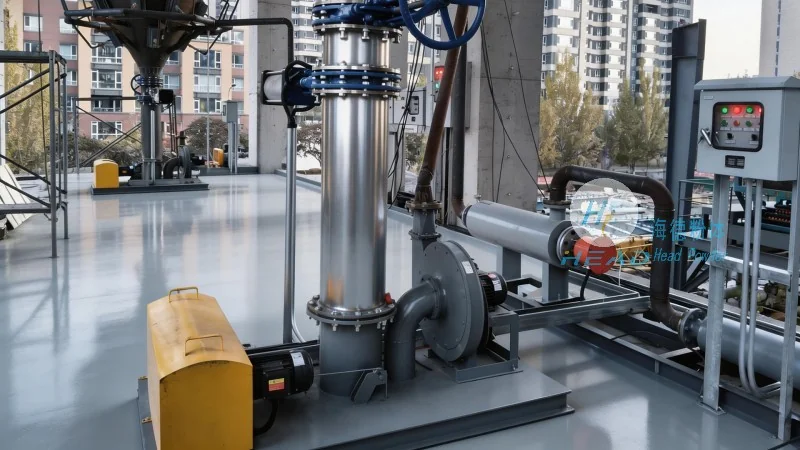
The layout of the conveying pipeline is another vital aspect of system design. The pipeline is typically arranged in a loop or straight line, with bends and elbows strategically placed to guide the material along the desired path. Key components include the material hopper, which stores the joint compound and feeds it into the system; the feeder, which controls the flow rate of the material; the conveying line, which transports the material and air mixture; and the receiver, which collects the material at the destination point. Each component is carefully selected and sized to ensure the system operates within its designed parameters.
Advantages of Pneumatic Conveying Systems for Joint Compound Production
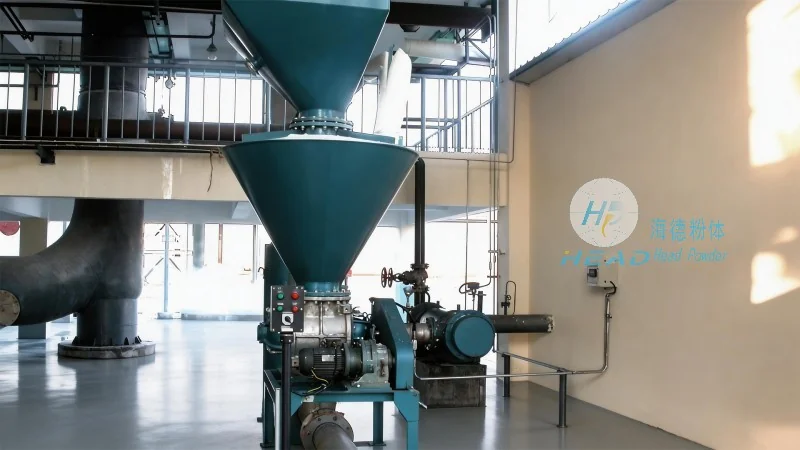
Implementing a pneumatic conveying system for joint compound materials offers numerous advantages over traditional methods like bucket elevators or belt conveyors. One of the most significant benefits is the elimination of dust and contamination, as the system operates in a closed environment. This not only improves workplace safety but also maintains the quality of the joint compound by preventing moisture absorption or degradation. Additionally, pneumatic conveying systems provide high efficiency and flexibility, allowing for easy integration with existing production lines and the ability to transport materials over long distances without the need for multiple transfer points.
Conclusion and Application Insights
In summary, a joint compound material pneumatic conveying system is a sophisticated engineering solution that enhances material handling efficiency and product quality in the joint compound industry. The design principles, including the choice of conveying method, air-to-solid ratio, and pipeline layout, are critical to the system's success. Companies like Shandong HeadPowder Engineering Co., Ltd. leverage their expertise to design and implement customized systems that meet the specific requirements of their clients, ensuring optimal performance and operational reliability. As the construction materials industry continues to evolve, such systems will remain a vital component in maintaining competitive advantage and sustainable production practices.