

What is a Micron Silica Powder Material Pneumatic Conveying System? And What Are Its Design Principl
Micron silica powder, a fine particulate material widely used in industrial applications, often requires efficient and reliable material handling solutions. Pneumatic conveying systems have emerged as a preferred method for transporting such powders due to their ability to handle fine particles, minimize dust, and maintain product integrity. This article explores the fundamental aspects of micron silica powder pneumatic conveying systems, focusing on their design principles and operational considerations.
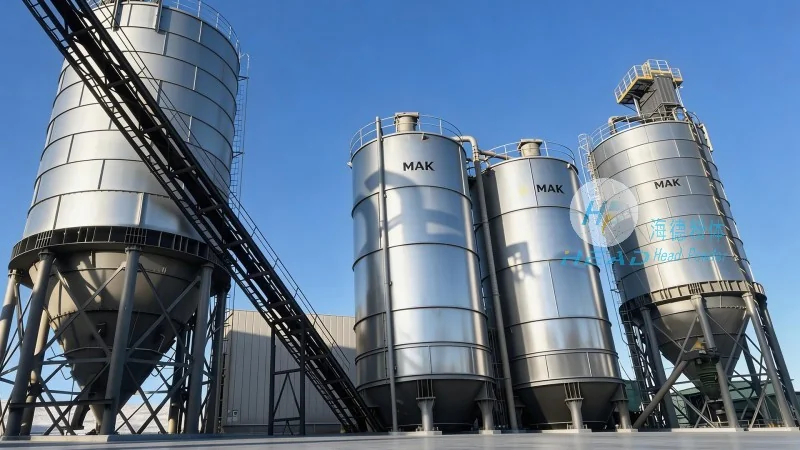
Key Components of Micron Silica Powder Pneumatic Conveying Systems
A typical pneumatic conveying system for micron silica powder consists of several critical components that work in tandem to ensure smooth material transport. The primary components include a feeding device, a conveying line (either pressure or vacuum-based), a gas-solid separation unit, and a dust collection system. Each component plays a vital role in the overall system performance and efficiency.
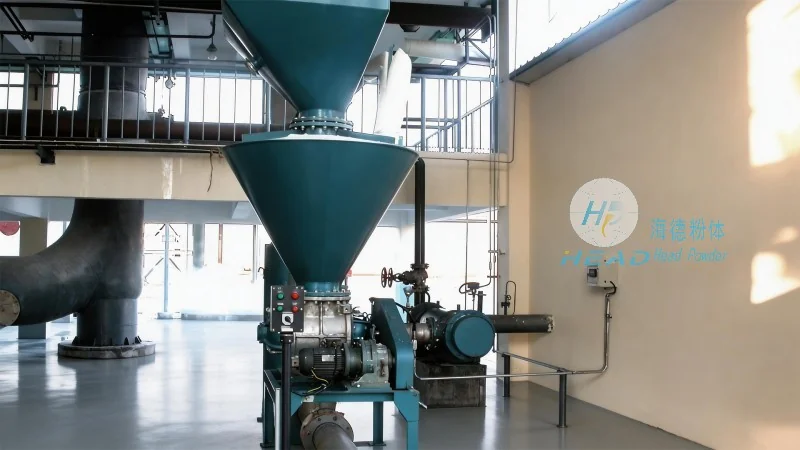
The feeding device is responsible for introducing the micron silica powder into the conveying line. For fine powders like silica, a rotary valve or a star feeder is commonly used to provide a controlled and consistent feed rate, preventing blockages and ensuring uniform particle flow. The conveying line itself can be either positive pressure or negative pressure (vacuum) systems. Positive pressure systems use compressed air to push the powder through the pipeline, while vacuum systems draw the material using a vacuum pump. The choice between these two depends on factors such as the distance to be covered, the volume of material to be transported, and the specific characteristics of the silica powder.
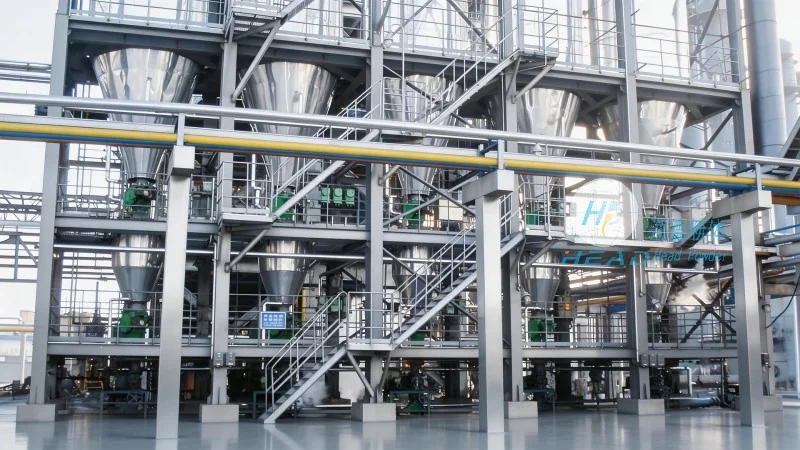
Design Principles for Efficient Micron Silica Powder Conveying
The design of a pneumatic conveying system for micron silica powder is guided by several key principles aimed at optimizing performance, minimizing energy consumption, and ensuring long-term reliability. One of the primary design considerations is the particle size and flow properties of the silica powder. Micron silica particles are typically very fine, often ranging from 1 to 10 microns, and can exhibit cohesive behavior, which may lead to agglomeration or blockages in the conveying line. Therefore, the system design must account for these characteristics by incorporating features such as appropriate air velocities, sufficient pipeline diameter, and effective gas-solid separation.
Air velocity is a critical parameter in pneumatic conveying. For micron silica powder, the air velocity must be high enough to prevent particle settling but low enough to avoid excessive wear on the conveying line and equipment. The optimal air velocity is determined based on the particle size, density, and the system's pressure or vacuum level. Proper air velocity ensures that the particles remain suspended in the air stream, preventing deposition and maintaining a smooth flow. Additionally, the conveying line diameter is designed to balance the air velocity and the powder flow rate, ensuring that the system operates within its optimal range.
Gas-Solid Separation and Dust Collection in Micron Silica Powder Systems
Efficient gas-solid separation is essential in pneumatic conveying systems to recover the silica powder and prevent dust emissions. The separation unit typically consists of a cyclone separator or a bag filter, which separates the powder from the air stream. For micron silica powder, a high-efficiency cyclone or a multi-stage bag filter is often employed to achieve high recovery rates and low residual dust levels. The design of the separation system must consider the particle size distribution of the silica powder, as finer particles are more challenging to separate and may require additional filtration stages.
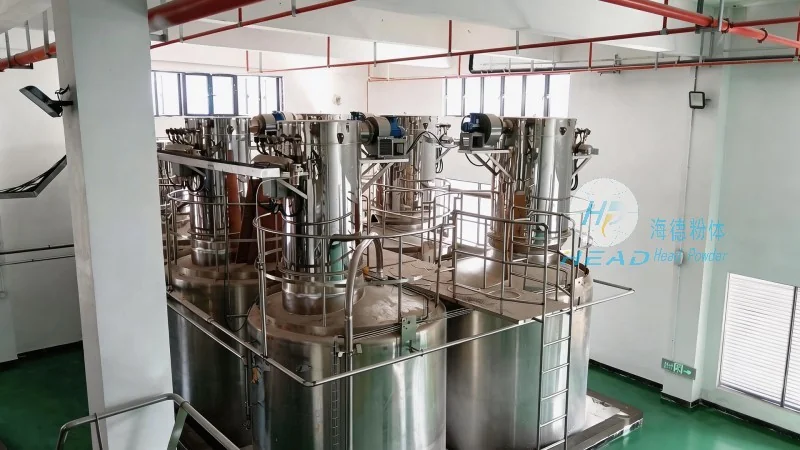
The dust collection system is responsible for capturing any residual dust from the air stream, ensuring compliance with environmental regulations and maintaining a clean working environment. The choice of dust collection equipment, such as cartridge filters or pulse-jet bag filters, depends on the dust load and the required filtration efficiency. Proper maintenance of the dust collection system is crucial to prevent clogging and ensure continuous operation.
Operational Considerations and Maintenance for Micron Silica Powder Pneumatic Conveying
Once the system is designed and installed, proper operation and maintenance are essential to ensure optimal performance and longevity. Regular monitoring of key parameters such as air pressure, flow rate, and particle feed rate helps identify any potential issues early on. For micron silica powder systems, it is important to check for signs of blockages, wear on the conveying line, and dust accumulation in the separation and collection units. Preventive maintenance, including cleaning the cyclone or bag filter, lubricating moving parts, and inspecting the feeding device, should be performed at regular intervals to avoid system downtime.
Additionally, the system's performance can be optimized by adjusting operational parameters based on the changing conditions of the silica powder. For example, if the feed rate increases, the air velocity may need to be adjusted to maintain proper particle suspension. Similarly, if the particle size changes, the conveying line diameter or air velocity may need to be modified to ensure efficient transport. Regular testing and calibration of the system components can help identify areas for improvement and ensure that the system operates at its peak efficiency.
Conclusion: The Importance of Well-Designed Micron Silica Powder Pneumatic Conveying Systems
Micron silica powder pneumatic conveying systems are critical for the efficient handling of fine particulate materials in various industrial applications. The design principles outlined above, including the selection of appropriate components, consideration of particle characteristics, and implementation of effective separation and dust collection systems, are essential for achieving reliable and efficient material transport. By adhering to these principles and maintaining the system properly, industrial facilities can ensure the safe and effective handling of micron silica powder, minimizing downtime and maximizing productivity.
Shandong HeadPowder Engineering Co., Ltd., a leading provider of material handling solutions, specializes in designing and manufacturing pneumatic conveying systems tailored to the specific needs of micron silica powder applications. With years of experience in the industry, the company leverages advanced engineering and technology to deliver high-quality systems that meet the demanding requirements of modern industrial processes. HeadPowder's commitment to quality and customer satisfaction has made it a trusted partner for businesses seeking reliable and efficient material handling solutions. Based in Shandong, China, the company serves clients globally, providing customized solutions that enhance operational efficiency and product quality.