

What is a Desulfurization Fly Ash Material Pneumatic Conveying System? And What Are Its Design Princ
Desulfurization fly ash, a byproduct of flue gas desulfurization processes in power plants and industrial facilities, presents unique challenges for material handling and transportation. The development of efficient pneumatic conveying systems for this material is crucial for optimizing plant operations and ensuring safe, reliable transport. This article explores the concept of a desulfurization fly ash material pneumatic conveying system, detailing its design principles and operational considerations.
Understanding Desulfurization Fly Ash and Its Handling Requirements
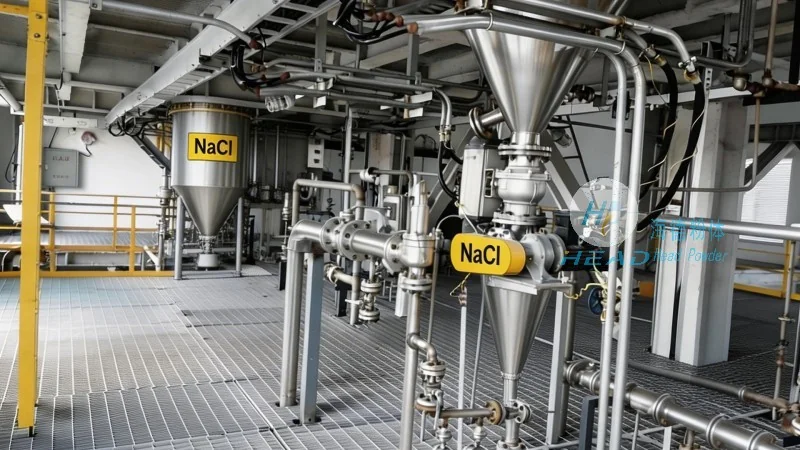
Desulfurization fly ash, commonly known as FGD (Flue Gas Desulfurization) fly ash, is a fine particulate material generated during the removal of sulfur dioxide from flue gases. It typically consists of calcium sulfate, calcium sulfite, and other minerals, with a particle size distribution that can range from sub-micron to several microns. Due to its fine nature and potential for dust generation, conventional bulk material handling methods like belt conveyors or bucket elevators may not be suitable. Pneumatic conveying systems offer a solution by transporting the material in a fluidized state using air or other gases, minimizing dust exposure and ensuring efficient transfer.
HeadPowder's Expertise in Pneumatic Conveying Solutions
Shandong HeadPowder Engineering Co., Ltd., a leading provider of material handling and processing solutions, specializes in designing and manufacturing pneumatic conveying systems tailored to the specific needs of desulfurization fly ash applications. With years of experience in the industry, HeadPowder has developed a deep understanding of the unique properties of FGD fly ash, including its moisture content, particle size, and flow characteristics. This expertise allows the company to design systems that ensure optimal performance, reliability, and compliance with environmental and safety standards.
Key Design Principles of Desulfurization Fly Ash Pneumatic Conveying Systems
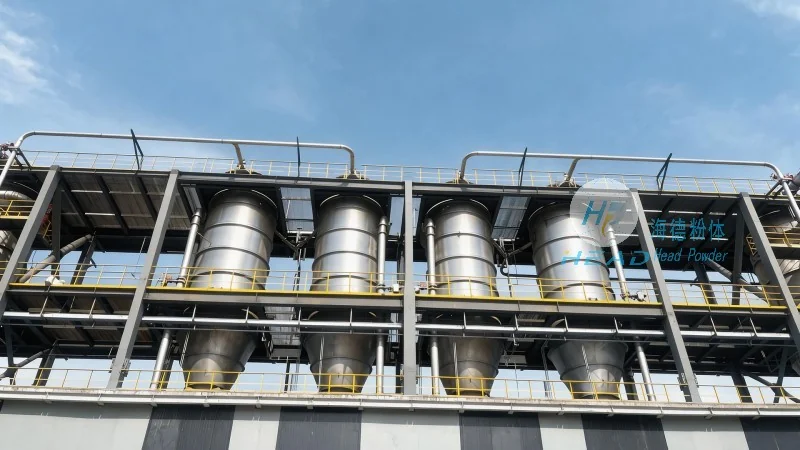
The design of a desulfurization fly ash pneumatic conveying system involves several critical principles to ensure efficient and safe operation. These principles include:
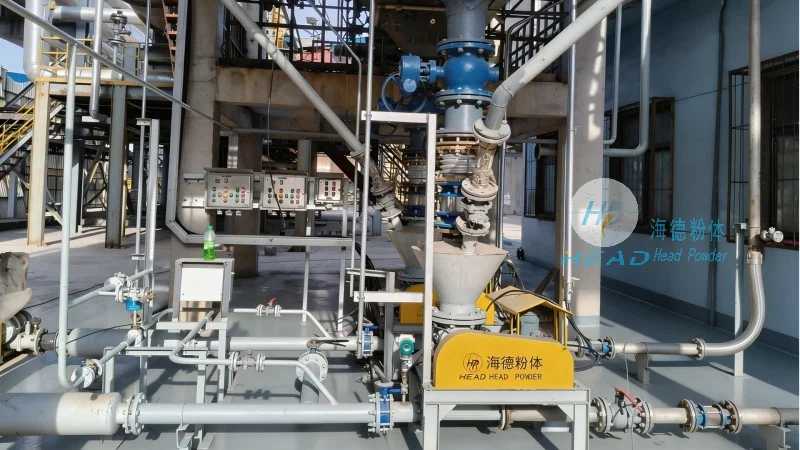
- System Classification and Selection: Pneumatic conveying systems are typically classified as dilute-phase or dense-phase, depending on the material's flow characteristics and the required conveying distance. For fine materials like desulfurization fly ash, dilute-phase systems are often preferred as they offer higher conveying velocities and lower pressure drops, reducing equipment wear and energy consumption.
- Airflow and Pressure Management: Proper airflow rate and pressure are essential to maintain the material in a fluidized state and prevent blockages or clogging. The system design must consider the material's bulk density, particle size, and moisture content to determine the appropriate air velocity and pressure levels. HeadPowder engineers use advanced computational fluid dynamics (CFD) and empirical data to optimize these parameters for each application.
- Equipment Selection and Configuration: The system components, including the air compressor, feeders, pipelines, and receivers, are selected based on the material's properties and the system's operational requirements. For example, rotary feeders are commonly used to provide a consistent material feed rate, while flexible hoses or rigid pipelines are chosen based on the conveying distance and environmental conditions. The receiver design is critical to prevent material settlement and ensure easy discharge.
- Safety and Environmental Considerations: Desulfurization fly ash is often handled in environments where dust control and safety are paramount. The system design incorporates features such as dust collection systems, explosion-proof components, and sealed pipelines to minimize dust emissions and ensure worker safety. Compliance with local environmental regulations and industrial safety standards is a top priority for HeadPowder.
Operational Benefits and Performance Metrics
Implementing a well-designed desulfurization fly ash pneumatic conveying system offers several operational benefits for industrial facilities. These include:
- Increased Efficiency and Reduced Downtime: Pneumatic conveying systems can transport materials over long distances with minimal intermediate storage, reducing the need for multiple handling steps and minimizing downtime. This improves overall plant throughput and productivity.
- Improved Safety and Environmental Compliance: By eliminating or reducing the use of manual handling and open conveyors, the system reduces the risk of dust exposure and accidents. The sealed design also minimizes emissions, helping facilities meet environmental regulations and maintain a safe working environment.
- Lower Maintenance Costs: Compared to traditional bulk handling equipment, pneumatic conveying systems have fewer moving parts and lower maintenance requirements. The use of high-quality materials and components, such as corrosion-resistant pipelines and wear-resistant feeders, further reduces long-term maintenance costs.
- Flexibility and Scalability: Pneumatic conveying systems can be easily adapted to changing production requirements or expanded to accommodate increased material volumes. This flexibility allows facilities to scale their operations without significant capital investment.
Conclusion and Application Scope
Desulfurization fly ash material pneumatic conveying systems represent a sophisticated solution for the efficient and safe handling of fine industrial materials. By adhering to key design principles and leveraging advanced engineering expertise, such as that offered by Shandong HeadPowder Engineering Co., Ltd., facilities can optimize their material handling processes, improve operational efficiency, and ensure compliance with safety and environmental standards. The adoption of these systems is particularly relevant for power plants and industrial facilities seeking to enhance their desulfurization processes and overall plant performance.