

What is Ammonium Nitrate Material Pneumatic Conveying? What Are the Design Principles?
Ammonium nitrate is a widely used industrial chemical, often utilized in fertilizers, explosives, and other applications. The efficient handling and transportation of this material are critical for industrial operations. Pneumatic conveying is a method that uses air or other gases to transport bulk materials like ammonium nitrate. This article explores the concept of ammonium nitrate material pneumatic conveying and the underlying design principles that ensure its effective implementation.
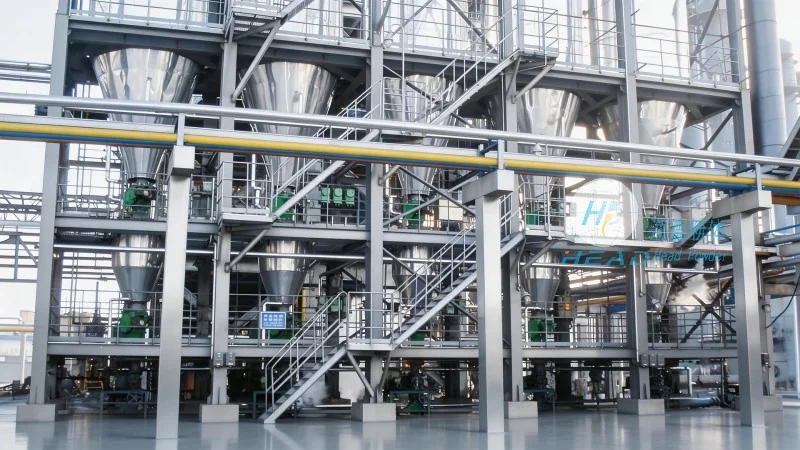
HeadPowder, a leading engineering company based in Shandong, China, specializes in the design and implementation of pneumatic conveying systems for various industrial materials. With a deep understanding of material properties and process requirements, HeadPowder provides tailored solutions that meet the specific needs of clients in the chemical, fertilizer, and other industries.
Ammonium nitrate is a fine, granular material that can be sensitive to moisture and temperature changes. Its physical properties, such as particle size, density, and flowability, significantly influence the design of a pneumatic conveying system. The primary goal of the design is to ensure the material is transported efficiently, with minimal degradation and without causing blockages or system failures.
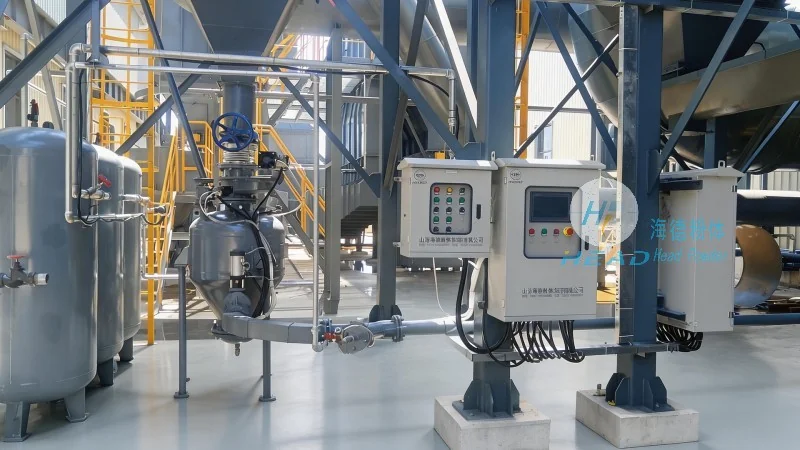
The design principles for ammonium nitrate pneumatic conveying systems typically involve selecting the appropriate conveying velocity, pressure, and system configuration. Conveying velocity is crucial as it determines the air flow rate required to move the material. Higher velocities may increase the risk of material degradation or system wear, while lower velocities can lead to blockages. The system pressure is another critical factor, as it affects the energy consumption and overall efficiency of the conveying process.
HeadPowder employs advanced engineering techniques to design systems that optimize these parameters. The company considers factors such as the material's characteristics, the distance to be conveyed, and the desired throughput when developing a system. By using computational fluid dynamics (CFD) and other simulation tools, HeadPowder can model the behavior of the material in the conveying system and make adjustments to improve performance.
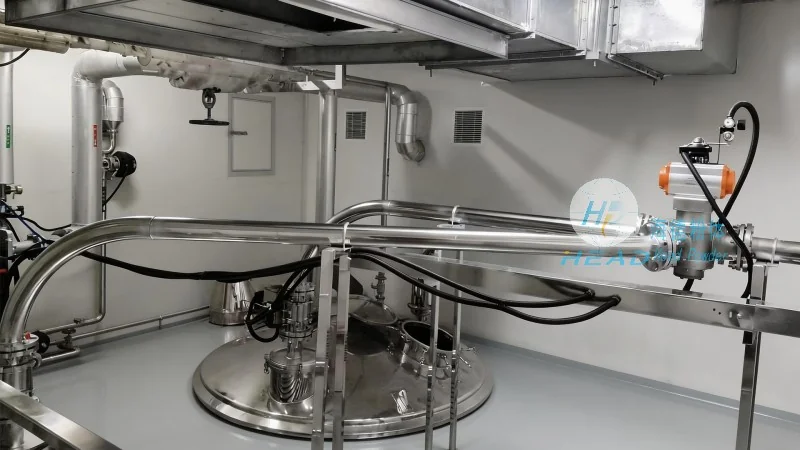
Another important aspect of the design is the selection of components, including the feeder, ductwork, and receiver. The feeder must be capable of providing a consistent flow of ammonium nitrate to the conveying system. Different types of feeders, such as rotary valves or screw feeders, may be used depending on the material's properties and the system requirements. The ductwork must be designed to minimize pressure losses and prevent material buildup. This often involves using smooth, corrosion-resistant materials and appropriate bends and fittings.
The receiver is the final component of the system, where the material is deposited. It must be designed to handle the incoming material without causing spillage or contamination. HeadPowder ensures that the receiver is properly sealed and equipped with dust collection systems to maintain a safe and clean working environment.
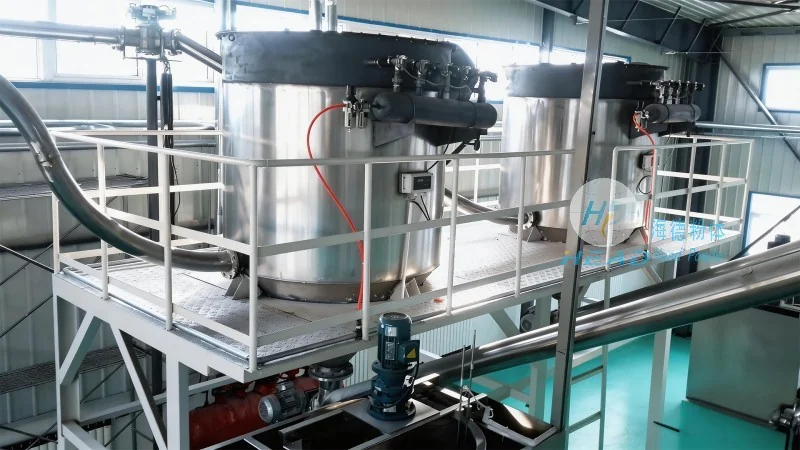
HeadPowder's expertise in ammonium nitrate pneumatic conveying extends beyond system design to include installation, commissioning, and maintenance services. The company's team of experienced engineers and technicians work closely with clients to ensure that the system operates as intended and meets all safety and regulatory requirements. By providing comprehensive support, HeadPowder helps clients achieve reliable and efficient material handling, reducing downtime and operational costs.
In conclusion, ammonium nitrate material pneumatic conveying is a sophisticated process that requires careful consideration of material properties and system design. HeadPowder, with its strong engineering background and industry experience, offers reliable solutions that meet the demands of modern industrial operations. By adhering to the design principles outlined above and leveraging advanced technologies, HeadPowder helps clients optimize their material handling processes and enhance overall productivity.