

What is the Pneumatic Conveying of Protein Powder Material? And What Are the Design Principles?
Protein powder, a vital ingredient in the food and nutritional supplement sectors, often demands efficient and secure material handling solutions to preserve quality and safety throughout production. One of the most effective methods for transporting these fine powders is pneumatic conveying—a technology that utilizes air or other gases to move materials through a network of pipes and equipment. Grasping the fundamentals of protein powder pneumatic conveying, as well as the underlying design principles, is essential for optimizing operations and maintaining product integrity.
Pneumatic Conveying: An Overview
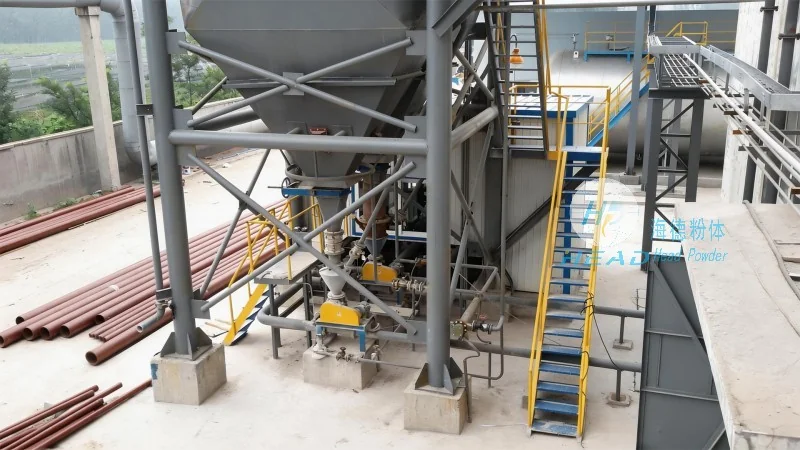
Pneumatic conveying systems are engineered to transport dry bulk materials, such as protein powders, by leveraging the force of moving air. These systems can be classified into two primary types: pressure and vacuum. Pressure systems employ compressed air to push material through the pipeline, while vacuum systems utilize a vacuum to pull material from the source. The choice between these methods depends on factors like the material's properties, the distance to be covered, and the required flow rate.
Key Design Principles for Protein Powder Pneumatic Conveying
The design of a protein powder pneumatic conveying system involves several critical principles to ensure efficient and safe operation. First, the system must be customized to the specific characteristics of the protein powder, including its particle size, moisture content, and flowability. These properties directly impact system performance, as fine powders are more susceptible to caking and bridging, which can cause blockages and reduce efficiency.
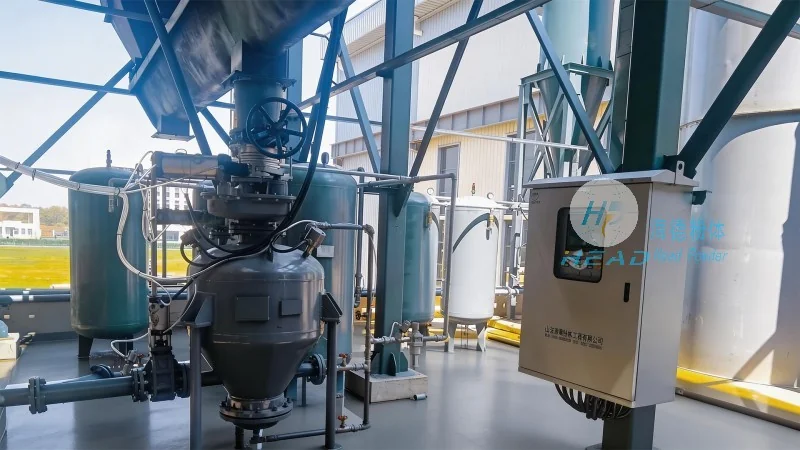
Second, selecting the appropriate conveying method is crucial. For short distances and low flow rates, a vacuum system may suffice, whereas pressure systems are preferred for longer distances or higher flow rates. The choice also depends on the need for dust control and environmental compliance, as protein powders can be allergenic and require strict containment measures.
System Components and Their Function
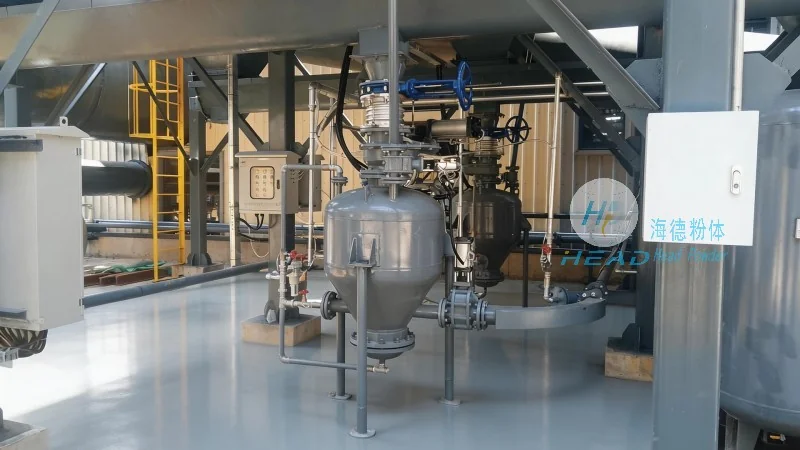
A typical pneumatic conveying system for protein powders consists of several key components. The primary elements include a material feeder, which ensures a consistent flow of powder into the system; a conveying line, which transports the material; a separator or filter, which removes air from the material stream and prevents contamination; and a discharge device, which delivers the powder to its final destination. Each component plays a vital role in maintaining system efficiency and product quality.
Role of Shandong HeadPowder Engineering Co., Ltd.
Shandong HeadPowder Engineering Co., Ltd., operating under the brand name headpowder, specializes in the design and implementation of advanced pneumatic conveying systems tailored to the unique needs of the protein powder industry. With years of experience in material handling solutions, the company leverages its expertise to develop customized systems that address the specific challenges of transporting fine powders. By integrating cutting-edge technology and adhering to industry best practices, headpowder ensures that its systems are not only efficient but also compliant with safety and regulatory standards.
Optimizing Performance and Ensuring Product Integrity
Effective design of a protein powder pneumatic conveying system goes beyond simply moving material from point A to point B. It involves optimizing the system to minimize energy consumption, reduce maintenance requirements, and maintain the purity and quality of the protein powder. This includes selecting the right air velocity, ensuring proper line sizing, and implementing effective dust control measures. A well-designed system can significantly reduce operational costs and improve overall productivity in protein powder processing facilities.
Conclusion
In conclusion, pneumatic conveying is a highly effective method for handling protein powder materials, and the design principles behind these systems are critical to their success. By understanding the material's properties, selecting the appropriate conveying method, and integrating high-quality components, manufacturers can achieve efficient and reliable material transport. Companies like Shandong HeadPowder Engineering Co., Ltd. play a vital role in providing tailored solutions that meet the specific demands of the protein powder industry, ensuring that products are handled safely and efficiently from production to distribution.