

What is Micron Sand Powder Material Pneumatic Conveying? What Are the Design Principles?
Micron sand powder material pneumatic conveying is a specialized method used in industrial processes to transport fine powders like micron sand. This technique involves using a gas stream, typically air or other gases, to move the powder particles through a pipeline system. It is widely adopted in various industries due to its efficiency in handling delicate and abrasive materials, minimizing product degradation and ensuring consistent flow rates. The process is particularly relevant for applications where traditional mechanical conveying methods may not be suitable, such as in the production of high-value materials where contamination or particle damage could impact quality. For instance, in the glass manufacturing industry, micron sand is a critical raw material, and the ability to transport it without degradation is essential for maintaining product purity and quality. Similarly, in the construction sector, the consistent supply of fine aggregates like sand is crucial for concrete production, and pneumatic conveying ensures that these materials are delivered efficiently and without contamination.
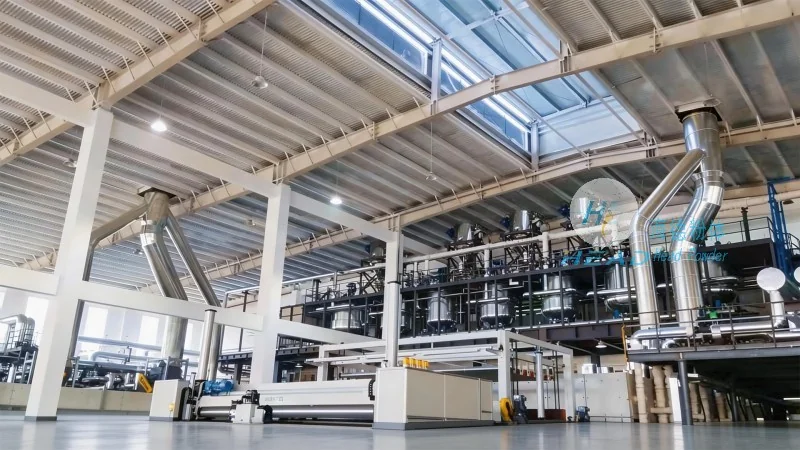
The Core Design Principles of Micron Sand Powder Pneumatic Conveying Systems
The design of a pneumatic conveying system for micron sand powder involves several critical principles that ensure optimal performance and reliability. First, the system must be engineered to handle the specific properties of micron sand, including its particle size, density, and flow characteristics. The selection of the conveying velocity is crucial; it must be high enough to overcome the resistance of the pipeline and the gravitational forces acting on the particles, but not so high as to cause excessive wear on the equipment or degrade the material. The system typically consists of a source of air or gas, a feeding mechanism to introduce the powder into the pipeline, and a receiver or discharge point where the material is collected. The design also considers the pressure drop across the system, which is a key factor in determining the energy efficiency and operational costs. Proper sizing of the pipeline diameter, the use of appropriate fittings, and the incorporation of features like cyclones or filters to separate the powder from the gas are all integral to the overall design. These elements work together to create a system that can reliably transport micron sand powder over varying distances with minimal maintenance and operational issues.
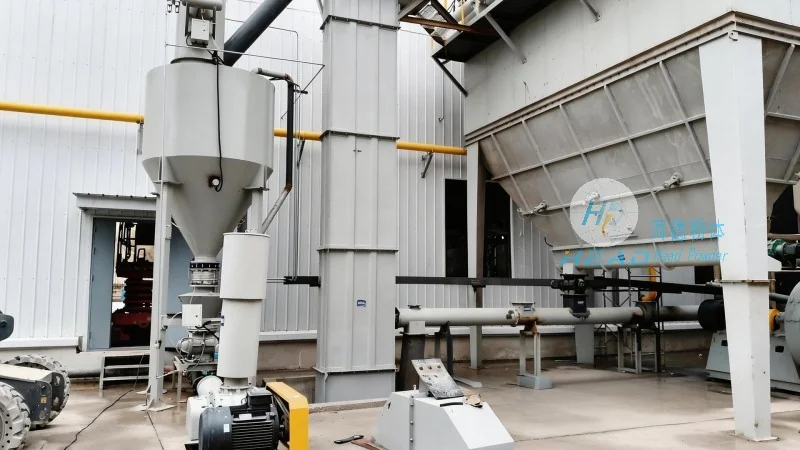
Key Components and Their Roles in Micron Sand Pneumatic Conveying
Several key components make up a typical micron sand powder pneumatic conveying system. The air compressor or blower provides the necessary pressure and flow rate to move the material. The feeder, often a rotary valve or a venturi feeder, controls the flow of the powder into the pipeline, ensuring a consistent feed rate. The pipeline itself is usually made of materials resistant to abrasion and corrosion, such as stainless steel or high-density polyethylene, to withstand the abrasive nature of micron sand. The receiver or hopper is designed to collect the conveyed material and may include features like a dust collection system to prevent particle loss. In some systems, a cyclone separator is used to separate the powder from the gas stream, allowing the gas to be recirculated or vented while the powder is collected. The control system, which may include sensors and valves, monitors the pressure, flow rate, and other parameters to maintain optimal operation. Each component is carefully selected and integrated to ensure the system operates efficiently and safely, minimizing downtime and maximizing productivity.
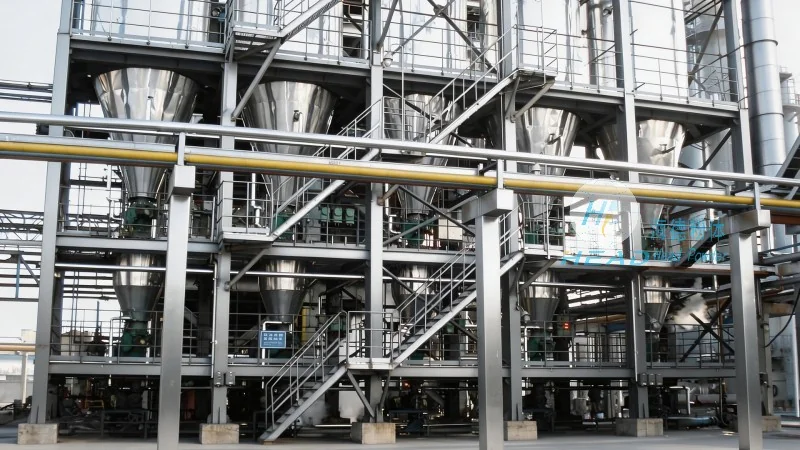
Applications and Benefits of Micron Sand Powder Pneumatic Conveying
Micron sand powder pneumatic conveying is employed in a range of applications across different industries. In the construction industry, it is used for transporting sand and other fine aggregates for concrete production. In the manufacturing sector, it is utilized in the production of glass, ceramics, and other high-purity materials where the quality of the powder is critical. The technique is also used in the chemical and pharmaceutical industries for handling sensitive powders that require minimal contamination. The benefits of this method include improved material handling efficiency, reduced labor costs, and enhanced product quality. By avoiding contact with mechanical components, the risk of contamination and particle degradation is minimized. Additionally, pneumatic conveying systems can handle materials over long distances and through complex layouts, making them suitable for large-scale industrial operations. The ability to control the flow rate and pressure also allows for precise dosing and mixing, which is essential in processes where uniformity is required.
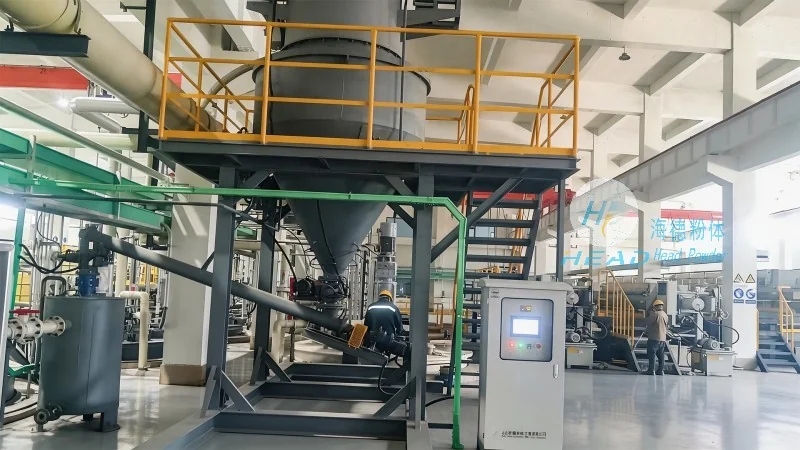
Challenges and Solutions in Micron Sand Pneumatic Conveying
Despite its advantages, pneumatic conveying of micron sand powder comes with certain challenges that must be addressed in the design and operation of the system. One of the primary challenges is the high wear on the equipment due to the abrasive nature of the powder. This can lead to increased maintenance costs and reduced system lifespan. To mitigate this, materials with high wear resistance, such as hardened steel or specialized coatings, are used for components like the pipeline and fittings. Another challenge is the potential for clogging or blockages in the pipeline, especially if the powder contains moisture or agglomerates. The use of inline mixers or agitators can help prevent clogging by breaking up agglomerates and ensuring a consistent flow. The system must also be designed to handle variations in the powder's properties, such as changes in particle size or moisture content, which can affect the conveying performance. Regular maintenance and monitoring of the system parameters are essential to identify and address these issues promptly. By addressing these challenges through proper design and operation, the efficiency and reliability of micron sand powder pneumatic conveying systems can be significantly improved.