

What is Plastic Powder Material Pneumatic Conveying? And What Are Its Design Principles?
The process of transporting plastic powders through a pneumatic system is a critical aspect of material handling in various industrial applications. Pneumatic conveying, also known as air conveying, involves the movement of plastic powders using a stream of air or gas. This method offers efficient and flexible solutions for handling plastic powders, which are often sensitive to moisture and contamination. Understanding the principles behind this technology is essential for optimizing material flow and ensuring product quality.
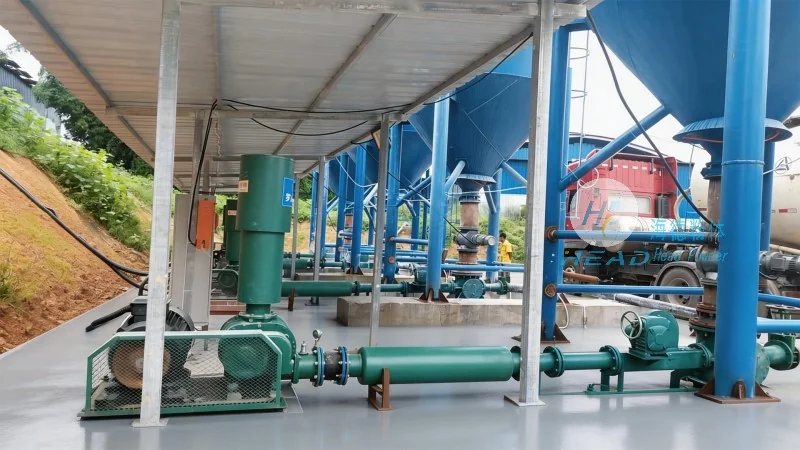
Shandong HeadPowder Engineering Co., Ltd., a leading provider in the field, specializes in designing and manufacturing advanced pneumatic conveying systems tailored to the unique needs of plastic powder industries. With a focus on precision engineering and reliable performance, the company has established itself as a trusted partner for businesses seeking efficient material handling solutions.
Understanding Pneumatic Conveying for Plastic Powders
Pneumatic conveying is a method that utilizes air pressure to transport plastic powders from one location to another. Unlike traditional mechanical conveyors, which rely on physical contact and moving parts, pneumatic systems use air to move the material, reducing the risk of product degradation and contamination. This is particularly important for plastic powders, which can be prone to moisture absorption and particle segregation. The system typically operates by creating a pressure differential between the hopper and the receiver, causing the powder to be drawn into the conveying line and transported to the destination.
Design Principles of Pneumatic Conveying Systems
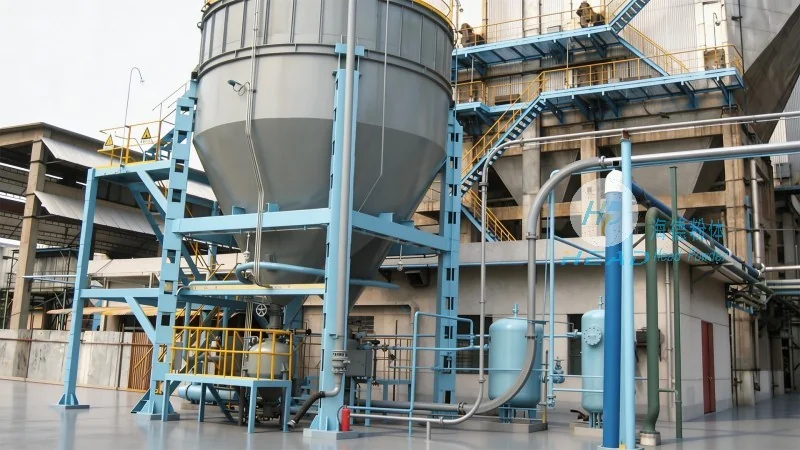
The design of a pneumatic conveying system for plastic powders involves several key principles. The primary goal is to create a consistent and controlled flow of powder using air pressure. The system typically consists of a hopper, a conveying line, and a receiver. The hopper stores the plastic powder, while the conveying line transports it through the system. The receiver collects the powder at the destination. The design must consider factors such as powder properties, flow rates, and system pressure to ensure optimal performance. For example, the hopper may be equipped with a feeder to control the flow rate, preventing overloading or underloading of the system. The conveying line is usually made of stainless steel or other corrosion-resistant materials to prevent contamination of the plastic powder. The receiver is designed to collect the powder and may include a filter to remove any air or dust particles, ensuring that the delivered powder is clean and free from contaminants.
Key Components and Their Functions in Pneumatic Conveying
Key components in a pneumatic conveying system include the hopper, which is equipped with a feeder to control the flow of powder. The feeder may be a rotary valve or a screw feeder, depending on the application. The conveying line is usually made of stainless steel or other corrosion-resistant materials to prevent contamination of the plastic powder. The receiver is designed to collect the powder and may include a filter to remove any air or dust particles. The system also includes a blower or compressor to generate the air pressure needed for conveying. The blower or compressor is selected based on the required flow rate and pressure, ensuring that the system can handle the specific characteristics of the plastic powder being transported. Additionally, the system may include a control panel to monitor and adjust the flow rate and pressure, allowing for real-time adjustments to maintain optimal performance.
Application of Pneumatic Conveying in Plastic Powder Handling
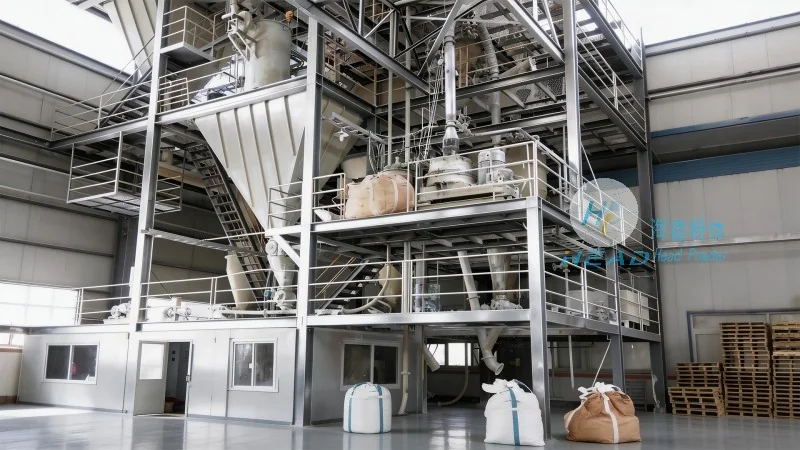
Pneumatic conveying is widely used in the plastic industry for applications such as transporting raw materials, additives, and finished products. For example, in a plastic manufacturing plant, plastic powders may be conveyed from storage silos to processing equipment. The system ensures that the powder is transported without segregation or degradation, maintaining product quality. Shandong HeadPowder Engineering Co., Ltd. has successfully implemented such systems in various industrial settings, demonstrating the effectiveness of their designs. The company has worked with clients in sectors like packaging, automotive, and construction, providing customized pneumatic conveying solutions that meet their specific requirements.
Benefits and Considerations for Plastic Powder Pneumatic Conveying
The benefits of pneumatic conveying for plastic powders include reduced labor costs, improved safety, and increased efficiency. Unlike traditional methods like bucket elevators or belt conveyors, pneumatic systems eliminate the need for physical contact with the powder, reducing the risk of contamination and product degradation. Additionally, the system can handle a wide range of powder types and flow rates, making it versatile for different applications. However, considerations such as system maintenance, energy consumption, and material compatibility must be taken into account to ensure long-term performance. Regular maintenance of the blower, feeder, and conveying line is essential to prevent breakdowns and ensure consistent operation. Energy consumption is also a factor, as the system requires a continuous supply of air or gas. The choice of materials for the components must be compatible with the plastic powder to avoid any chemical reactions or contamination.
Conclusion and Company Overview
In conclusion, pneumatic conveying is a vital technology for handling plastic powders efficiently and effectively. The design principles and components of such systems play a crucial role in ensuring optimal performance. Shandong HeadPowder Engineering Co., Ltd. continues to innovate and provide high-quality pneumatic conveying solutions to meet the evolving needs of the plastic industry. With their expertise and commitment to quality, the company remains a leader in the field, offering reliable and efficient material handling systems for plastic powder applications. The company's headquarters are located in Shandong, China, where they have established a strong presence in the industry, serving clients both domestically and internationally.