

What is Husk Material Pneumatic Conveying? And What Are Its Design Principles?
Husk material pneumatic conveying is a specialized method used to transport agricultural byproducts, such as rice husks, wheat chaff, or corn cobs. This technology leverages the power of air to move granular or powdery materials through a pipeline system. The process is particularly valuable in industries focused on processing crop residues, as it offers a clean, efficient, and low-maintenance alternative to traditional mechanical conveying methods.
Key Components and Operation
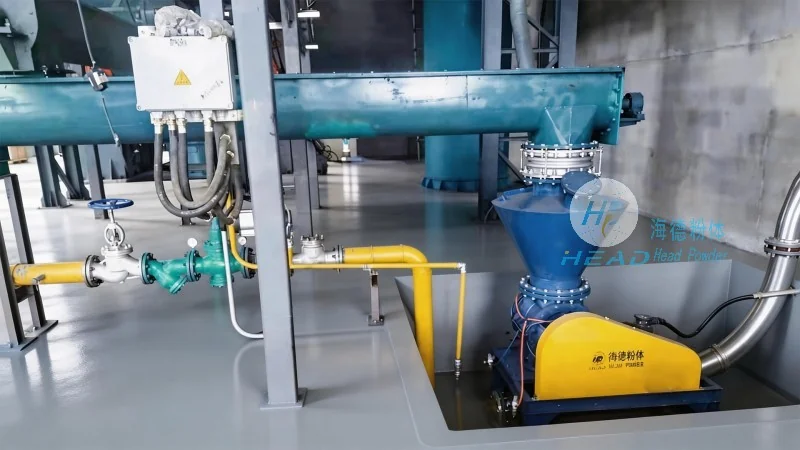
The pneumatic conveying system for husk materials typically consists of several critical components. These include an air compressor, which generates the necessary pressure to move the material; a hopper or feeder, where the husk material is loaded; a conveying line, which transports the material from the source to the destination; and a receiver or collection unit, where the material is deposited. The operation can be categorized into two main types: positive pressure and negative pressure systems. Positive pressure systems use compressed air to push the material through the line, while negative pressure systems use suction to draw the material in.
Design Principles for Optimal Performance
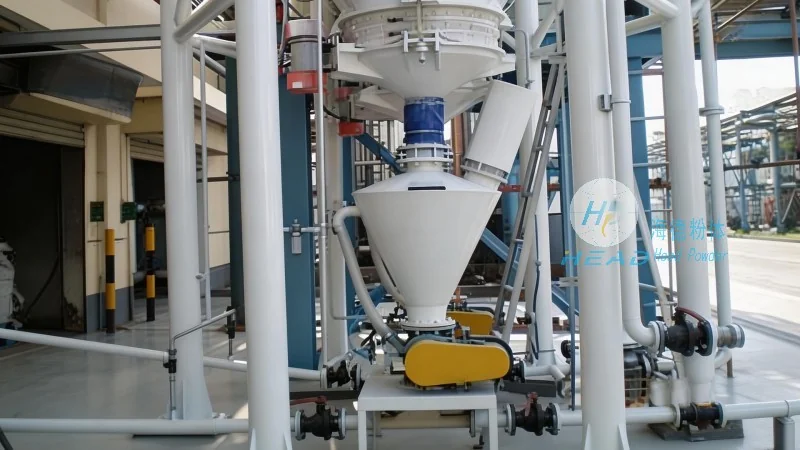
The design of a husk material pneumatic conveying system must consider multiple factors to ensure reliable and efficient operation. Key design principles include maintaining an appropriate air velocity to prevent material settling or blockages, selecting the right pipe diameter and material to withstand the pressure and abrasive nature of husk particles, and ensuring proper moisture content management to avoid caking or clumping. Additionally, the system must account for variations in particle size and density, as these factors directly impact the air flow and pressure requirements. Engineers often use computational fluid dynamics (CFD) simulations to model the system and optimize parameters before finalizing the design.
Applications in Agricultural Processing
Husk material pneumatic conveying is widely used in various agricultural processing applications. For instance, in rice milling facilities, the system efficiently transports rice husks from the husking stage to storage or further processing units. Similarly, in wheat and corn processing plants, it aids in moving chaff and cobs for separation or disposal. The technology's ability to handle large volumes of light, dry materials makes it ideal for these industries, where traditional methods may struggle with material handling and contamination risks.
About Shandong HeadPowder Engineering Co., Ltd.
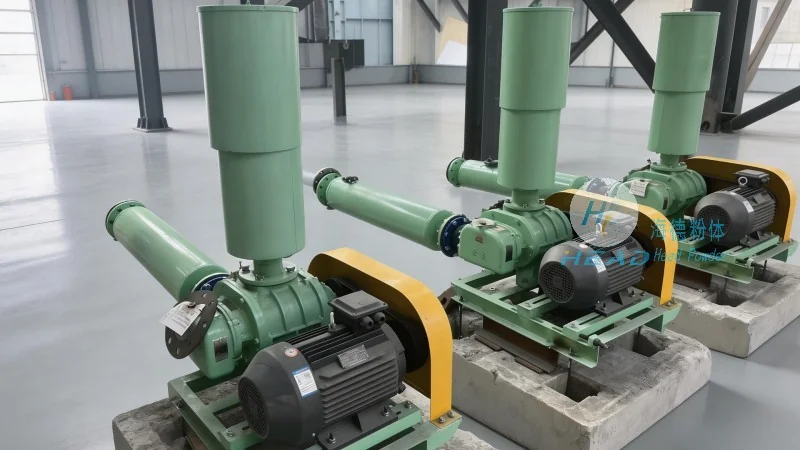
HeadPowder, a prominent name in the pneumatic conveying industry, specializes in providing customized solutions for husk material handling. Based in Shandong, China, the company combines advanced engineering expertise with practical experience to design systems that meet the unique demands of agricultural processing. Their team of engineers works closely with clients to assess material characteristics, operational requirements, and site constraints, ensuring that each system is tailored for optimal performance and longevity. HeadPowder's commitment to quality and innovation has made them a trusted partner for businesses seeking reliable and efficient husk material conveying solutions.