

What is the Pneumatic Conveying of Aluminum Sulfate Material? What Are Its Design Principles?
Aluminum sulfate, also known as alum, is a widely used chemical in various industrial applications, including water treatment, paper manufacturing, and chemical processing. The efficient and safe transportation of this material from one point to another is crucial for maintaining production efficiency and ensuring operational safety. Pneumatic conveying is a common method for handling aluminum sulfate, offering advantages such as reduced dust generation, improved material handling flexibility, and the ability to transport materials over long distances without the need for complex machinery. This article explores the concept of aluminum sulfate material pneumatic conveying and delves into the fundamental design principles that underpin its successful implementation.
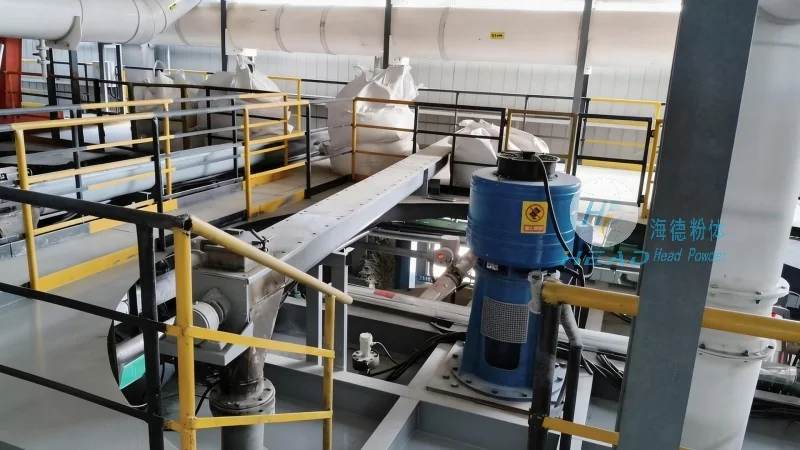
Understanding Pneumatic Conveying for Aluminum Sulfate
Pneumatic conveying involves the use of a gas stream, typically air, to transport solid materials like aluminum sulfate through a pipeline system. This method is particularly suitable for aluminum sulfate due to its granular or powdered form, which can be easily suspended and moved by the air flow. The process relies on the principle of fluidization, where the solid particles are kept in a state of suspension by the moving air, allowing them to be transported from the source to the destination. There are two main types of pneumatic conveying systems: dilute-phase and dense-phase. Dilute-phase systems use high-velocity air to move particles in a dispersed state, while dense-phase systems use lower velocities and higher air-to-material ratios to achieve a more compact flow. The choice between these systems depends on factors such as the material's properties, the required conveying distance, and the desired material handling characteristics.
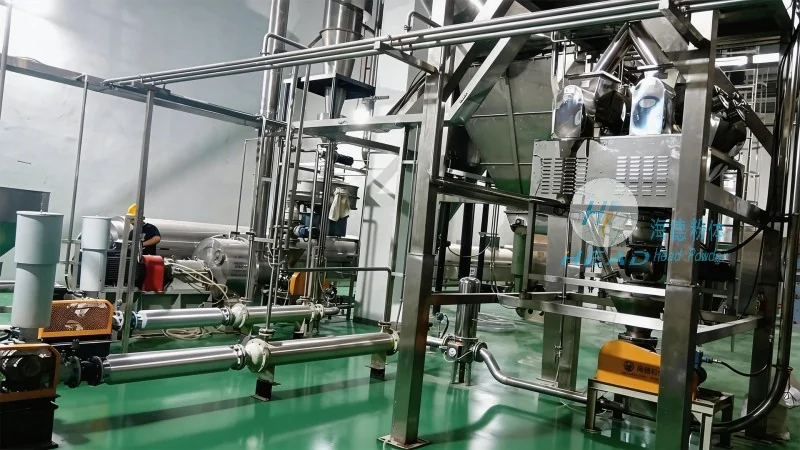
Key Design Principles for Aluminum Sulfate Pneumatic Conveying Systems
The successful design of a pneumatic conveying system for aluminum sulfate requires careful consideration of several key principles. First, the material's physical properties, including particle size, density, and moisture content, must be thoroughly analyzed. These properties directly influence the air velocity and pressure required to achieve effective transport. For example, finer aluminum sulfate particles may require higher air velocities to prevent clogging or settling in the pipeline. Second, the system's layout and components, such as the feeders, pipelines, and receivers, must be optimized to minimize pressure losses and ensure smooth material flow. Properly sized and positioned components, like rotary valves or pressure vessels, are essential for maintaining consistent air flow and preventing material buildup. Third, the system must be designed to handle variations in material feed rates and flow conditions, ensuring reliability and preventing system failures. This involves incorporating features like surge tanks or variable speed drives to accommodate fluctuations in production demand. Additionally, the design must consider the environmental and safety aspects, such as dust control measures and explosion-proof components, to comply with industrial regulations and protect personnel.
Role of HeadPowder in Aluminum Sulfate Pneumatic Conveying Solutions
Shandong HeadPowder Engineering Co., Ltd., a leading provider of material handling solutions, specializes in designing and manufacturing pneumatic conveying systems tailored to the unique needs of aluminum sulfate applications. With years of experience in the industry, HeadPowder has developed a deep understanding of the challenges associated with handling this material and has developed innovative solutions to address them. The company's expertise lies in customizing pneumatic conveying systems to meet specific operational requirements, ensuring optimal performance and reliability. HeadPowder's approach involves a comprehensive design process that begins with a thorough analysis of the client's material handling needs, followed by the selection of appropriate components and system configurations. The company's engineers work closely with clients to ensure that the final system meets all technical and safety standards, providing a cost-effective and efficient solution for aluminum sulfate transportation. By leveraging advanced technology and industry best practices, HeadPowder delivers high-quality pneumatic conveying systems that enhance production efficiency and reduce operational costs for its clients.
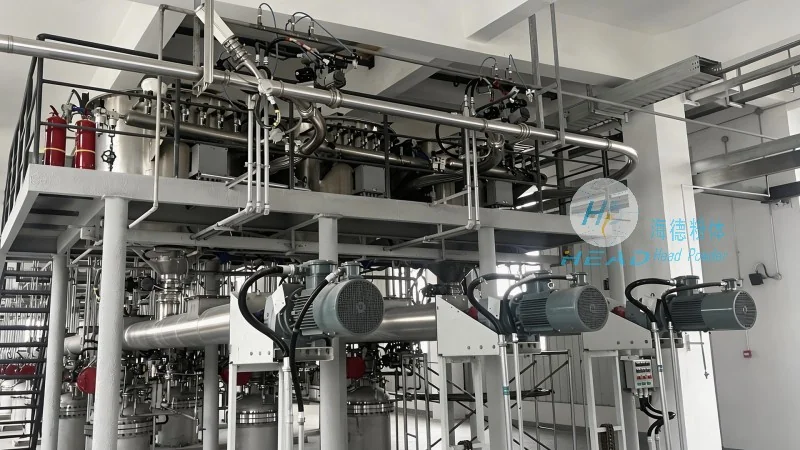
Conclusion: The Importance of Proper Design in Aluminum Sulfate Pneumatic Conveying
In conclusion, the pneumatic conveying of aluminum sulfate is a critical process in many industrial applications, and its successful implementation relies on a thorough understanding of the material's properties and the application of sound design principles. The choice of system type, component selection, and system layout all play a vital role in ensuring efficient and safe material transport. Companies like Shandong HeadPowder Engineering Co., Ltd. play a crucial role in providing tailored solutions that meet the specific needs of aluminum sulfate handling, helping industries maintain productivity and comply with safety regulations. As the demand for efficient material handling continues to grow, the importance of proper pneumatic conveying design cannot be overstated, and it remains a key factor in the success of aluminum sulfate processing operations.