

What is Concrete Material Pneumatic Conveying? And What Are Its Design Principles?
Concrete material pneumatic conveying is a specialized method of transporting bulk materials, such as cement, aggregates, and other components used in concrete production, using a stream of air or gas. This technology offers a dust-free, efficient, and flexible solution for moving these heavy and often abrasive materials over long distances or within complex industrial settings. The process involves creating a pressure differential within a closed system, where the material is suspended and carried by the moving air, allowing for seamless transfer from storage silos, mixing plants, or other processing points to the final application areas.
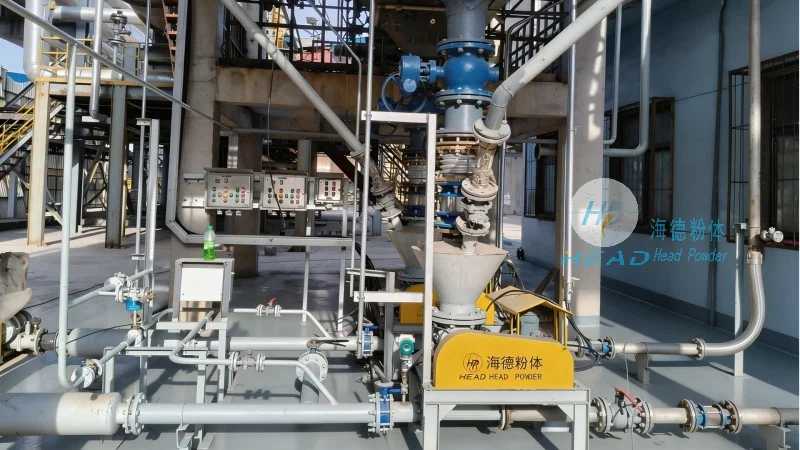
Core Design Principles of Pneumatic Conveying Systems
The design of a concrete material pneumatic conveying system is governed by several fundamental principles that ensure optimal performance and reliability. First, the system must be engineered to handle the specific physical properties of concrete components, including particle size distribution, moisture content, and bulk density. These factors directly impact the air velocity required to maintain material suspension and prevent blockages or deposition in the conveying lines. Engineers typically calculate the necessary air velocity based on the material's terminal velocity, ensuring that the air flow is sufficient to keep particles airborne but not excessive, which could lead to excessive energy consumption or equipment wear.
Second, the system's layout and configuration are critical to its effectiveness. The design often includes a combination of positive and negative pressure zones, with the material being drawn from a source (e.g., a silo) into a conveying line under negative pressure, or pushed through the system using positive pressure. The choice between these approaches depends on the distance to be covered, the material's characteristics, and the overall plant layout. For example, long-distance conveying may require a positive pressure system to maintain consistent air flow and prevent pressure drops that could cause material settling. Additionally, the use of bends, elbows, and expansion joints in the pipeline must be carefully considered to minimize pressure losses and maintain the material's suspension state.
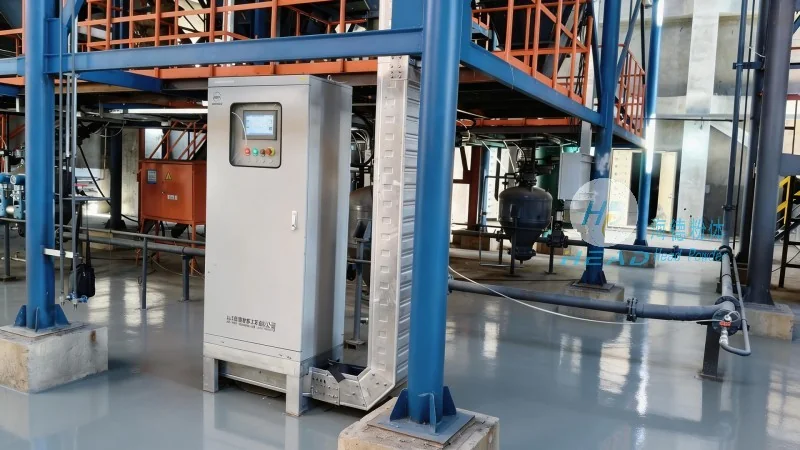
Key Considerations in System Design
When designing a concrete material pneumatic conveying system, several key factors must be addressed to ensure long-term efficiency and durability. One of the most important considerations is the material's abrasiveness and potential for wear on the conveying equipment. Concrete components, especially aggregates like gravel or crushed stone, can be highly abrasive, leading to accelerated wear on pipes, valves, and other components. Therefore, the selection of materials for the conveying system—such as stainless steel, high-density polyethylene, or specialized wear-resistant alloys—is crucial to extend the system's lifespan and reduce maintenance costs.
Another critical aspect is the system's energy efficiency. Pneumatic conveying systems can be energy-intensive, particularly if they operate at high pressures or with large volumes of material. Engineers often optimize the system by selecting the appropriate air velocity, using efficient blowers or fans, and minimizing pressure losses through well-designed pipeline layouts. Additionally, the integration of control systems that monitor pressure, flow, and material levels helps maintain optimal performance and prevent energy waste.
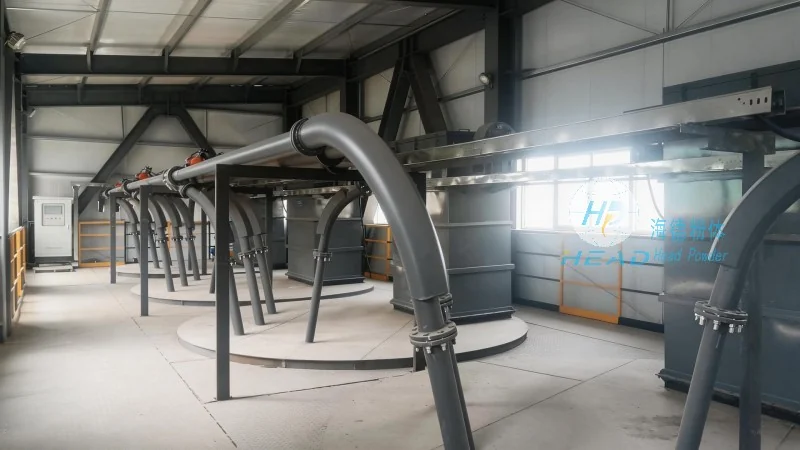
Furthermore, the system's integration with existing concrete production facilities is a key design consideration. Many industrial plants have pre-existing silos, mixers, and processing equipment, and the new pneumatic conveying system must be compatible with these components. This may involve customizing the system's inlet and outlet connections, ensuring that the material flow is seamless and that the system can be easily integrated into the existing workflow. Proper maintenance planning is also essential, as regular cleaning of the conveying lines, inspection of components, and replacement of worn parts are necessary to maintain system reliability and prevent downtime.
HeadPowder's Expertise in Pneumatic Conveying Solutions
Shandong HeadPowder Engineering Co., Ltd., based in China, is a leading provider of advanced pneumatic conveying solutions tailored to the concrete industry. With a deep understanding of the unique challenges faced by concrete manufacturers, HeadPowder specializes in designing and manufacturing systems that meet the specific needs of their clients. The company's expertise lies in the integration of cutting-edge technology with practical engineering solutions, ensuring that their systems are not only efficient and reliable but also cost-effective and easy to maintain.
HeadPowder's team of experienced engineers and technicians works closely with clients to assess their material handling requirements, site conditions, and operational goals. By leveraging their extensive knowledge of concrete material properties and pneumatic conveying principles, they develop customized solutions that address the specific challenges of each project. Whether it's a new plant setup or an upgrade to an existing system, HeadPowder provides comprehensive support, from initial design and engineering to installation, commissioning, and ongoing maintenance services.
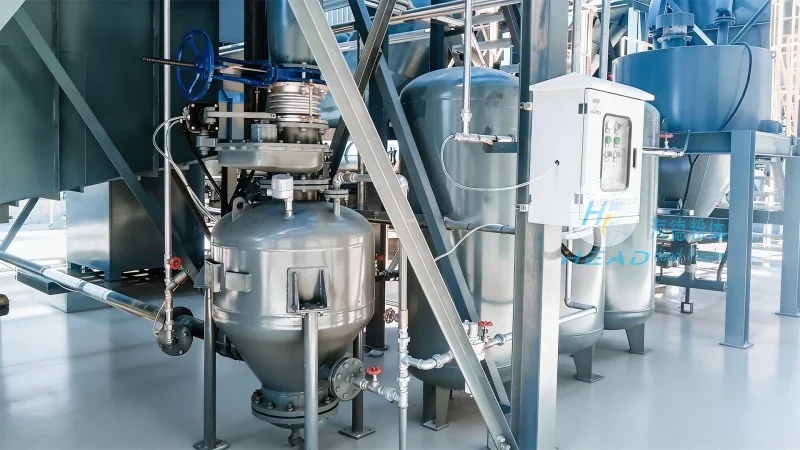
The company's commitment to quality and innovation is reflected in its use of high-quality materials and advanced manufacturing processes. All components of their pneumatic conveying systems are manufactured to strict standards, ensuring durability and performance under the demanding conditions of concrete production. Additionally, HeadPowder offers a range of accessories and accessories, such as filters, cyclones, and material feeders, that enhance the functionality and efficiency of the conveying system, providing clients with a complete solution for their material handling needs.
In conclusion, concrete material pneumatic conveying is a highly effective and versatile technology that plays a critical role in modern concrete production. The design principles and considerations outlined above are essential for developing a system that meets the specific requirements of the industry. With its expertise and commitment to quality, Shandong HeadPowder Engineering Co., Ltd. stands as a trusted partner for businesses seeking reliable and efficient pneumatic conveying solutions for their concrete material handling needs.