

What is the pneumatic conveying of borax granular materials? What are the design principles?
Borax, a widely used industrial chemical, often requires efficient material handling solutions for its granular form. Pneumatic conveying is a key technology in this context, offering a reliable method to transport borax granules from one location to another. This article explores the concept of borax granular materials pneumatic conveying and delves into the underlying design principles that ensure effective and safe operation, with insights from Shandong HeadPowder Engineering Co., Ltd., a leading provider of advanced material handling systems.
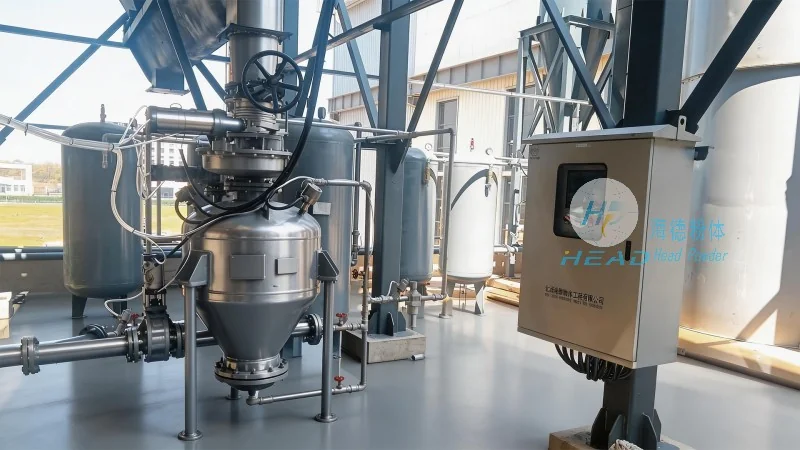
Understanding Borax Granular Materials Pneumatic Conveying
Pneumatic conveying, also known as pneumatic transport, involves the use of pressurized air or vacuum to move bulk materials like borax granules through a pipeline system. Unlike traditional mechanical conveying methods, which rely on belts or screws, pneumatic systems utilize air as the primary medium for material transport. This approach is particularly advantageous for handling fine or dusty materials such as borax, as it minimizes dust generation and reduces the risk of material degradation during transit.
The process typically involves a source of material, a conveying line, and a destination point. The borax granules are introduced into the system, often through a hopper or feeder, and are then entrained by the moving air. The air velocity and pressure are carefully controlled to ensure that the granules are carried along the pipeline without settling or causing blockages. This method is especially beneficial for applications where the material needs to be transported over long distances or through complex layouts, as the pipeline can be routed to accommodate various spatial constraints.
The Design Principles of Borax Granular Materials Pneumatic Conveying Systems
The success of a borax granular materials pneumatic conveying system hinges on several critical design principles. These principles are tailored to the specific characteristics of borax, such as its particle size, density, and flowability, as well as the operational requirements of the application.
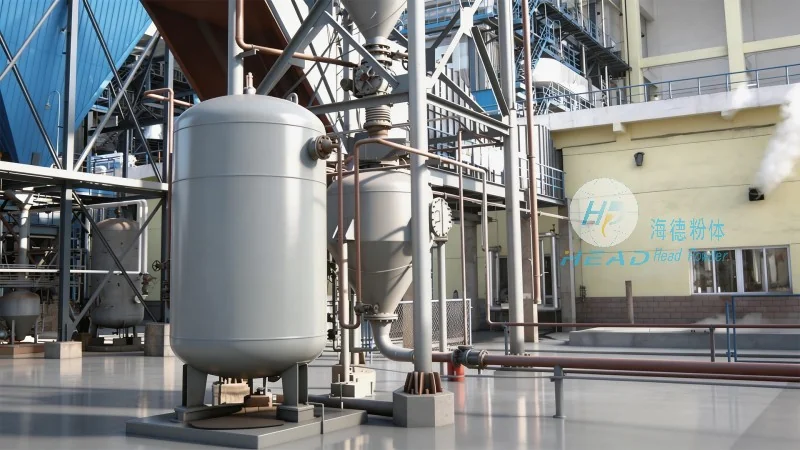
Firstly, the selection of the appropriate air velocity is paramount. The air velocity must be high enough to lift and transport the borax granules but low enough to prevent excessive wear on the pipeline and components. This balance is achieved through careful calculations based on the material's properties and the desired conveying distance. For borax, typical air velocities range from 20 to 30 meters per second, depending on the system's configuration and the required flow rate.
Secondly, the system's pressure or vacuum level is a key design factor. Positive pressure systems use compressed air to push the material through the pipeline, while negative pressure systems use vacuum to draw the material. The choice between these two depends on the distance to be covered and the material's resistance to flow. For longer conveying distances or when dealing with larger particle sizes, positive pressure systems are often preferred due to their higher efficiency and ability to handle more challenging material characteristics.
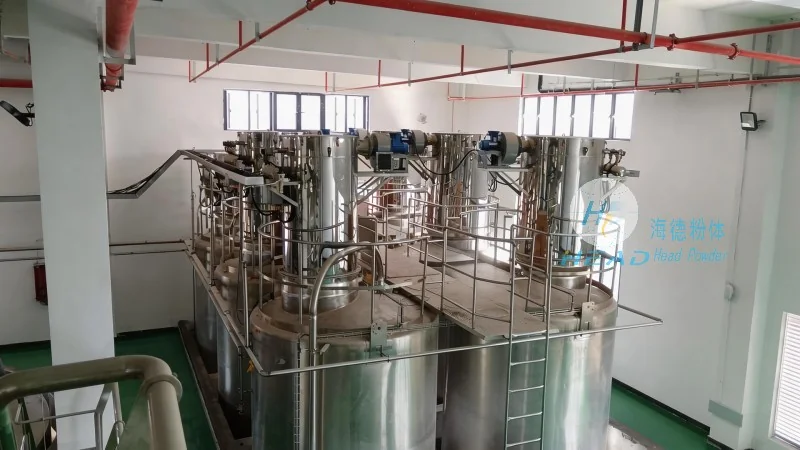
Thirdly, the design of the conveying line and components plays a crucial role. The pipeline must be constructed from materials that are resistant to the corrosive properties of borax and the abrasive nature of its granules. Common materials include stainless steel, polyethylene, or specialized coatings that protect against wear and corrosion. Additionally, the system includes components such as hoppers, feeders, and cyclones to control the flow of material and separate the air from the product at the destination. These components are designed to minimize pressure losses and ensure smooth operation throughout the conveying process.
Key Considerations for Implementing Borax Granular Materials Pneumatic Conveying
When implementing a borax granular materials pneumatic conveying system, several factors must be considered to ensure optimal performance and longevity. These considerations include the system's capacity, the required conveying distance, and the environmental impact of the operation.
Capacity is a critical parameter that determines the amount of borax that can be transported per unit time. The system's design must be scaled to meet the production needs of the facility, ensuring that the conveying rate matches the output of the borax processing equipment. This involves selecting the appropriate air compressor or vacuum pump, as well as the diameter and length of the conveying pipeline. Proper sizing is essential to avoid underperformance or excessive energy consumption.