

What is the Pneumatic Conveying of Rare Earth Ore Powder? Exploring the Design Principles
For industries dealing with rare earth ore powder, efficient material handling is crucial. Pneumatic conveying offers a sophisticated solution that ensures safe, reliable, and cost-effective transport of these valuable materials. This article delves into the fundamentals of pneumatic conveying for rare earth ore powder and outlines the key design principles that underpin its successful implementation.
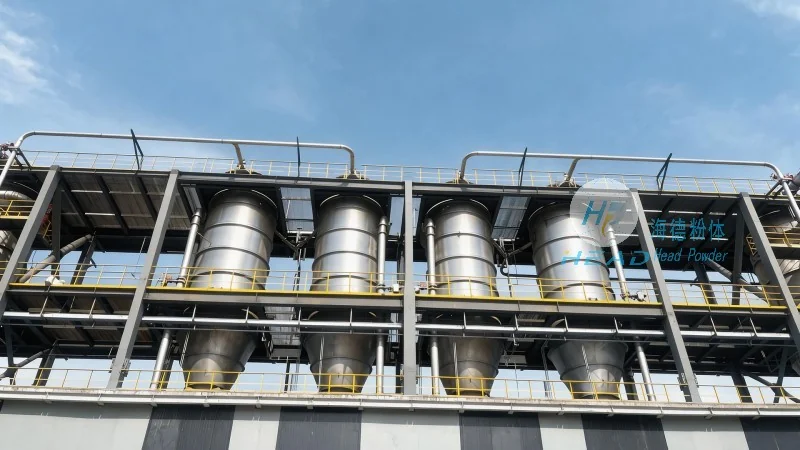
What is Pneumatic Conveying of Rare Earth Ore Powder?
Pneumatic conveying is a method of transporting bulk materials, such as rare earth ore powder, using a gas stream—typically air or a mixture of air and other gases. Unlike traditional mechanical systems like belt conveyors or screw conveyors, pneumatic conveying relies on the pressure or velocity of the gas to move the material through a pipeline. This technique is particularly advantageous for handling fine powders, as it minimizes material degradation and contamination, which are critical concerns in the rare earth processing industry.
The Core Design Principles of Pneumatic Conveying Systems
The effectiveness of a pneumatic conveying system for rare earth ore powder hinges on several fundamental design principles. These principles are tailored to address the unique characteristics of rare earth materials, including their fine particle size, abrasive nature, and potential for dust generation. The primary design considerations include:
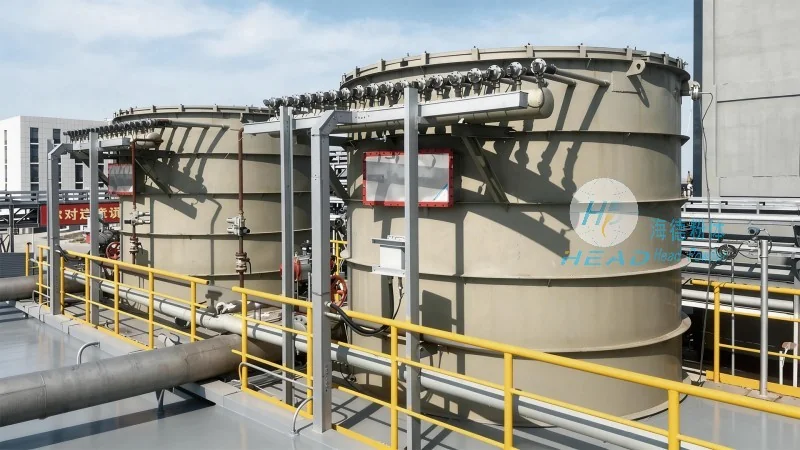
1. System Classification and Selection
The first step in designing a pneumatic conveying system is to classify it based on the operating pressure and the method of material transport. Two main categories are commonly used: dilute-phase and dense-phase systems. Dilute-phase systems operate at low to moderate pressures and rely on high-velocity air to suspend and transport the material. Dense-phase systems, on the other hand, use lower velocities and higher pressures to push the material through the pipeline in a slug or plug flow. For rare earth ore powder, the choice between these systems depends on factors like the material's flowability, the required distance of transport, and the need to control dust emissions. Shandong HeadPowder Engineering Co., Ltd. specializes in designing systems that match these requirements, ensuring optimal performance for each application.
2. Airflow and Pressure Management
Proper airflow and pressure management are critical to the efficiency of pneumatic conveying. The system must generate sufficient air velocity to lift and transport the powder particles while maintaining adequate pressure to overcome pipeline friction and elevation changes. In dilute-phase systems, the air-to-material ratio is carefully controlled to ensure that the particles remain suspended without clogging the pipeline. For dense-phase systems, the pressure is adjusted to create a stable flow of material, reducing the risk of blockages and ensuring consistent delivery. The design of the air supply system, including the compressor, filters, and pressure regulators, is essential to maintain stable and reliable operation.
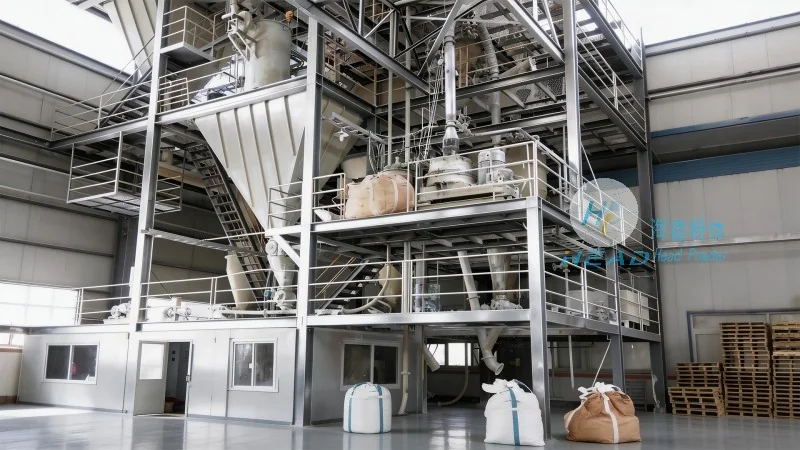
3. Pipeline Design and Components
The design of the pipeline network is another key aspect of pneumatic conveying system design. The pipeline must be constructed from materials that are resistant to corrosion and abrasion, as rare earth ore powders can be highly abrasive. Common materials include stainless steel, aluminum, and specialized alloys. The pipeline layout should minimize bends and changes in direction to reduce pressure losses and prevent material buildup. Key components such as inlets, outlets, and control valves are strategically placed to optimize the flow and ensure smooth material transfer. The use of pulse-jet filters and dust collectors is also essential to maintain air quality and comply with environmental regulations.
4. Material Handling and Conditioning
Before entering the conveying system, rare earth ore powder may require conditioning to improve its flowability and reduce the risk of agglomeration. This can include steps such as drying, screening, or adding lubricants. Proper conditioning ensures that the material behaves predictably within the system, reducing the likelihood of blockages and improving overall system efficiency. Shandong HeadPowder Engineering Co., Ltd. incorporates these conditioning steps into their system designs, ensuring that the material is in the optimal state for pneumatic transport.
5. Control and Monitoring Systems
Modern pneumatic conveying systems for rare earth ore powder are equipped with advanced control and monitoring systems. These systems allow operators to monitor key parameters such as pressure, airflow, and material flow rate in real time. Automated controls can adjust the system settings to maintain optimal performance, reducing the need for manual intervention and minimizing downtime. The use of sensors and data logging also enables predictive maintenance, helping to identify potential issues before they cause system failures. This level of control and monitoring is crucial for ensuring the reliability and efficiency of the conveying process.
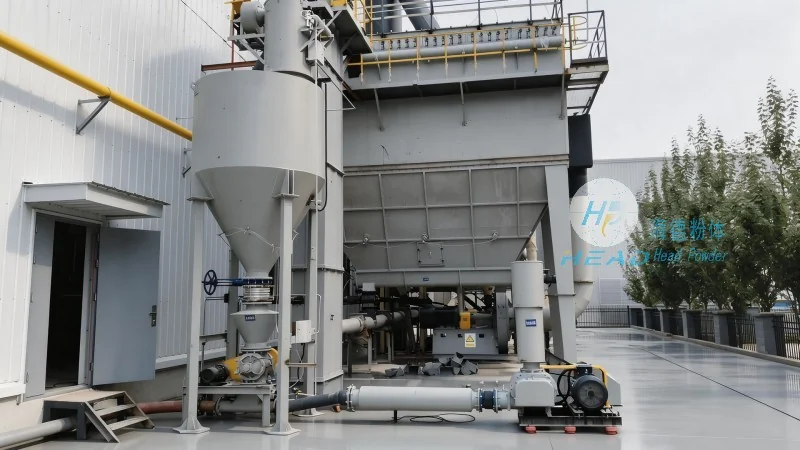
Benefits of Pneumatic Conveying for Rare Earth Ore Powder
Implementing a well-designed pneumatic conveying system for rare earth ore powder offers several significant benefits. These include improved safety by reducing the need for manual handling of powders, enhanced product quality by minimizing material degradation and contamination, and increased operational efficiency through reduced downtime and lower maintenance costs. The system also provides flexibility in terms of layout, allowing for easy integration into existing processing facilities. For companies operating in the rare earth industry, these benefits make pneumatic conveying a highly attractive solution for material handling.
Conclusion
Pneumatic conveying of rare earth ore powder is a complex but highly effective method of material transport. The success of such systems depends on a thorough understanding of the design principles and the careful consideration of the unique characteristics of rare earth materials. Shandong HeadPowder Engineering Co., Ltd., with its expertise in engineering and design, provides comprehensive solutions that meet the specific needs of rare earth processing facilities. By adhering to the core design principles outlined above, companies can achieve efficient, reliable, and cost-effective material handling, ultimately enhancing their operational performance and competitiveness in the market.