

What is a Glass Fiber Cellulose Powder Pneumatic Conveying System? And What Are Its Design Principle
For industrial applications involving the handling of glass fiber cellulose powders, understanding the technology behind pneumatic conveying systems is crucial. This article explores the concept of a glass fiber cellulose powder pneumatic conveying system and delves into its design principles, highlighting the key components and operational logic that enable efficient material transport.
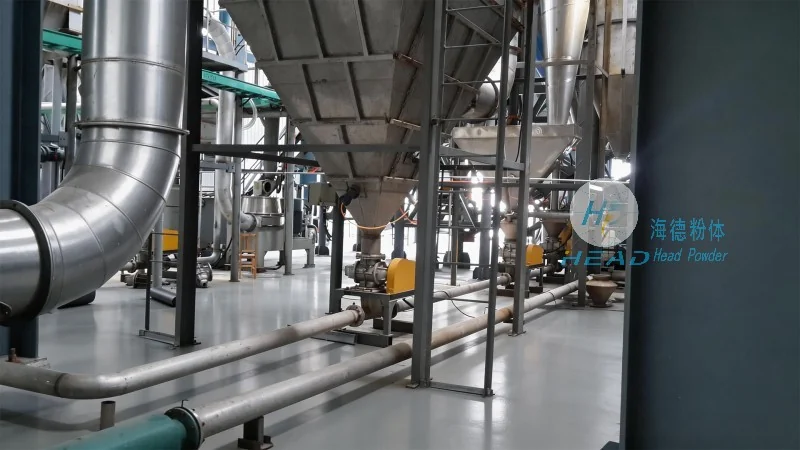
Introduction to Glass Fiber Cellulose Powder Pneumatic Conveying Systems
Glass fiber cellulose is a versatile material widely used in various industries, including construction, automotive, and manufacturing, due to its excellent thermal insulation, fire resistance, and mechanical properties. When handling this powder in bulk, traditional methods like belt conveyors or bucket elevators may face challenges such as dust generation, material degradation, and operational inefficiencies. Pneumatic conveying systems offer a solution by transporting the powder through a pipeline using air or other gases, providing a clean, dust-free, and energy-efficient method for material transfer.
Key Components of a Pneumatic Conveying System
A typical glass fiber cellulose powder pneumatic conveying system consists of several critical components that work in tandem to ensure smooth operation. The main elements include a feeding device, a conveying pipeline, a pressure or vacuum source, a separation unit, and a collection container. Each component plays a vital role in the overall system performance.
The feeding device, often a rotary valve or a screw feeder, is responsible for introducing the glass fiber cellulose powder into the system at a controlled rate. This ensures a consistent flow of material into the pipeline, preventing blockages and maintaining system stability. The conveying pipeline, usually made of stainless steel or other corrosion-resistant materials, transports the powder-air mixture from the feeding point to the destination. The choice of pipeline material is critical, as it must withstand the abrasive nature of the glass fiber cellulose and resist corrosion from any residual chemicals.
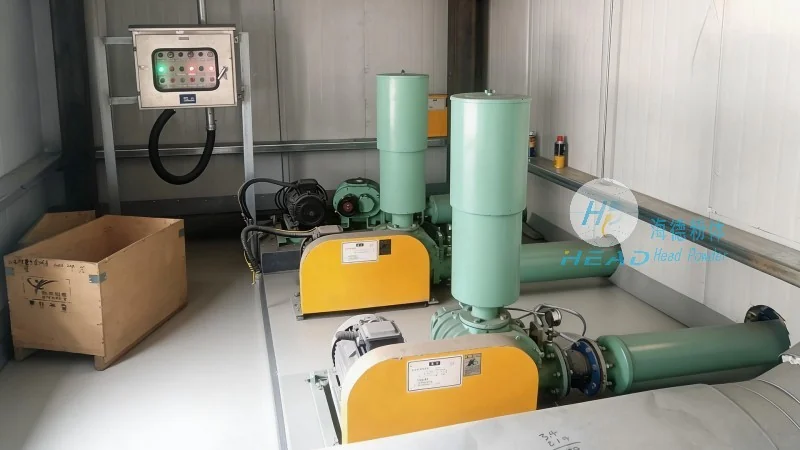
The pressure or vacuum source, such as a blower or a vacuum pump, provides the necessary air flow to move the powder through the pipeline. The pressure level is carefully selected based on the material's properties, pipeline length, and system layout. For glass fiber cellulose, which can be relatively dense and have a tendency to agglomerate, higher pressure or a combination of pressure and vacuum may be required to achieve optimal conveying efficiency.
The separation unit, commonly a cyclone separator or a bag filter, is essential for separating the powder from the air stream at the end of the conveying process. This unit ensures that the glass fiber cellulose powder is collected in a clean and dry state, while the air is either recirculated or discharged. The design of the separator must account for the fine particle size and potential dust generation of the material to prevent loss and ensure environmental compliance.
Design Principles for Efficient Pneumatic Conveying
The design of a glass fiber cellulose powder pneumatic conveying system follows several fundamental principles aimed at maximizing efficiency, minimizing energy consumption, and ensuring material integrity. These principles are based on fluid dynamics, particle behavior, and system integration.
First, the system design must consider the particle size distribution and flow characteristics of the glass fiber cellulose. The powder's density, particle size, and moisture content significantly impact the required air velocity and pressure. For fine powders like glass fiber cellulose, higher air velocities are often needed to prevent particle settling and ensure uniform flow. The design must also account for the material's tendency to form agglomerates, which can lead to blockages if not properly broken up or prevented.
Second, the pipeline layout and system configuration are critical to minimizing pressure losses and energy consumption. The use of straight sections, gradual bends, and appropriate pipe diameters helps maintain consistent air flow and reduces the risk of pressure drop. The system designer must also consider the vertical and horizontal distances between the feeding and collection points, as these affect the required pressure or vacuum levels. For long-distance conveying, a combination of pressure and vacuum stages may be employed to optimize energy use.
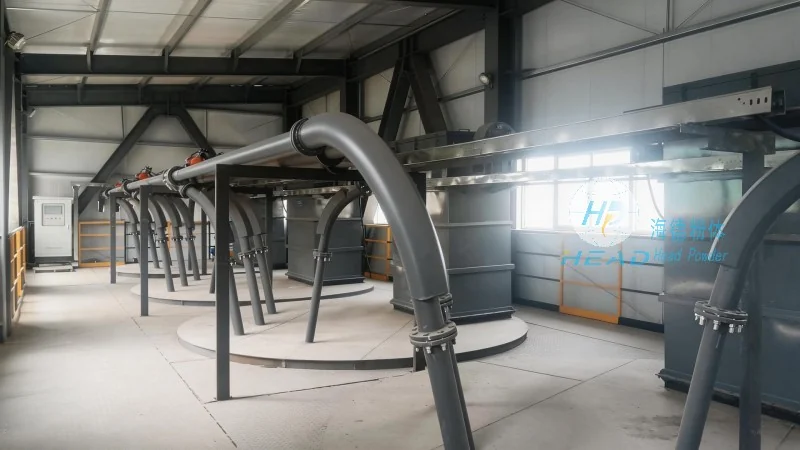
Third, the selection of components, such as the feeding device and separation unit, must align with the material's properties. For example, a rotary valve with a high capacity and low pressure drop is suitable for handling large volumes of glass fiber cellulose, while a cyclone separator with a high efficiency rating is essential for capturing fine particles. The system's design must also incorporate safety features, such as pressure relief valves and dust collection systems, to comply with industrial safety standards and environmental regulations.
Applications and Benefits of Glass Fiber Cellulose Pneumatic Conveying
Glass fiber cellulose powder pneumatic conveying systems are widely used in various industrial applications where the material needs to be transported from one location to another without compromising its quality or causing environmental issues. Some common applications include the manufacturing of insulation products, automotive parts, and construction materials. The benefits of using such a system include improved operational efficiency, reduced labor costs, and enhanced product quality due to the dust-free and controlled handling of the material.
By leveraging the principles of pneumatic conveying, companies can achieve reliable and efficient transport of glass fiber cellulose, ensuring that the material reaches its destination in a clean and usable state. This technology not only improves the overall productivity of the production line but also contributes to a safer and more sustainable industrial environment.
About Shandong HeadPowder Engineering Co., Ltd.
Shandong HeadPowder Engineering Co., Ltd., a leading provider of powder handling solutions, specializes in designing and manufacturing pneumatic conveying systems tailored to the needs of various industries. With a focus on innovation and quality, the company has developed advanced solutions for handling challenging materials like glass fiber cellulose. HeadPowder's expertise in system design, component selection, and operational optimization ensures that clients receive efficient and reliable equipment that meets their specific requirements. The company's commitment to customer satisfaction and technical excellence has made it a trusted partner in the powder handling industry, with operations based in Shandong, China.