

What is a Hygroscopic Sodium Nitrate Powder Pneumatic Conveying System? What are the Design Principl
HeadPowder, a leading engineering company based in Shandong, China, specializes in the design and implementation of advanced material handling systems. One of their core offerings is the hygroscopic sodium nitrate powder pneumatic conveying system, a sophisticated solution tailored for the efficient and reliable transport of this specific chemical compound.
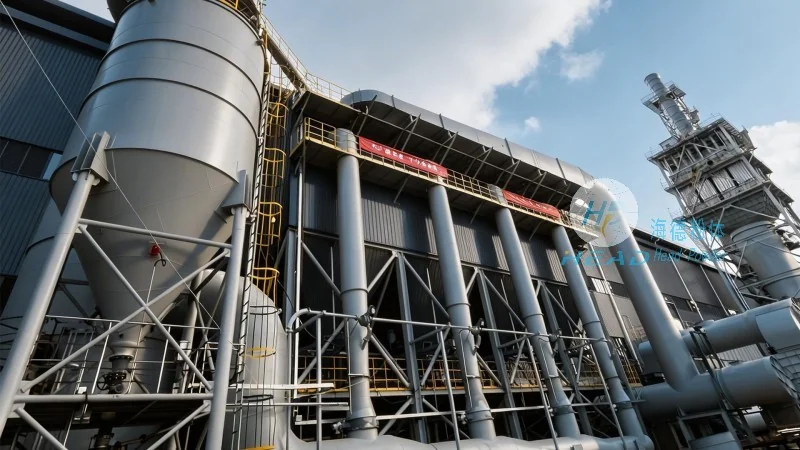
Understanding the Hygroscopic Sodium Nitrate Powder Pneumatic Conveying System
At its core, a hygroscopic sodium nitrate powder pneumatic conveying system is a technology designed to move sodium nitrate powder, which is known for its moisture absorption properties, through a pipeline using air or other gas as the conveying medium. This system is particularly crucial in industries where the material’s hygroscopic nature could otherwise lead to caking, clumping, or loss of quality during handling. The system ensures that the powder is transported in a dry, consistent manner, preserving its properties and preventing degradation.
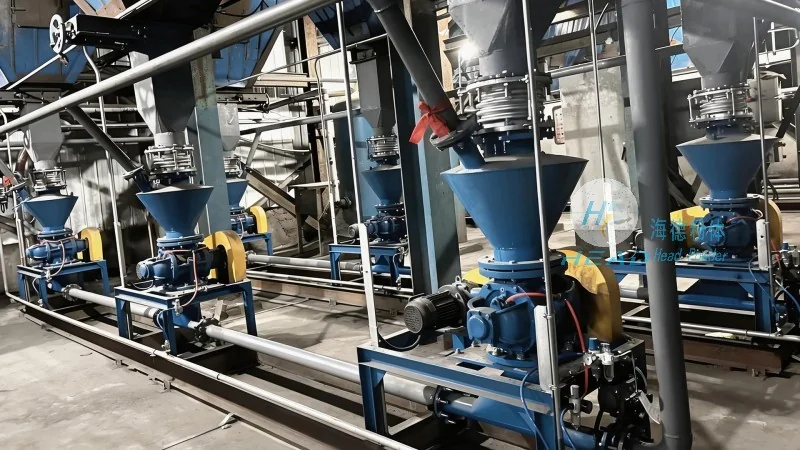
Key Components and Their Roles
The effectiveness of the hygroscopic sodium nitrate powder pneumatic conveying system relies on several critical components, each playing a vital role in the overall operation. These components include the material feed hopper, which holds the sodium nitrate powder and regulates the flow into the system; the air compressor or blower, which generates the necessary air pressure to move the powder; the conveying line, typically made of materials resistant to corrosion and abrasion, such as stainless steel or specialized plastics; and the control system, which monitors and adjusts the air pressure, flow rate, and material feed to maintain optimal performance.
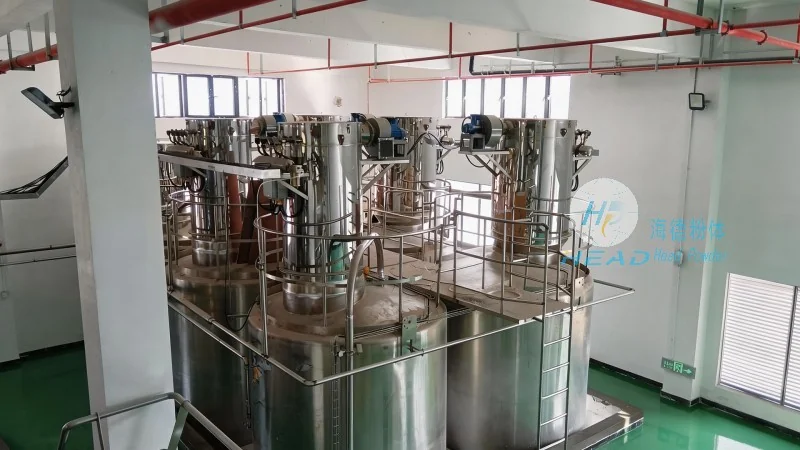
Design Principles for Optimal Performance
The design principles of the hygroscopic sodium nitrate powder pneumatic conveying system are centered on several key factors to ensure efficiency, safety, and longevity. First, the system must account for the hygroscopic nature of sodium nitrate, which can attract moisture from the air, leading to clumping. Therefore, the design incorporates features like moisture-proof hoppers and sealed conveying lines to minimize exposure to ambient humidity. Second, the system is engineered to handle the specific flow characteristics of the powder, ensuring that the air-to-material ratio is optimized to prevent blockages and maintain consistent flow rates. Third, safety is a paramount consideration, with the design incorporating explosion-proof components and emergency shut-off mechanisms to protect against potential hazards associated with the handling of sodium nitrate, a substance that can be reactive under certain conditions.
Advantages of the Hygroscopic Sodium Nitrate Powder Pneumatic Conveying System
Implementing a hygroscopic sodium nitrate powder pneumatic conveying system offers numerous advantages for industrial applications. One of the primary benefits is the ability to transport the material over long distances without the need for intermediate storage or handling, reducing the risk of contamination and loss. The system also minimizes material degradation by maintaining a dry environment, which is critical for sodium nitrate, as moisture can alter its chemical properties. Additionally, the system is highly flexible, allowing for easy integration with existing production lines and the ability to adjust flow rates to meet varying production demands. From a maintenance perspective, the design is modular, making repairs and component replacements more straightforward, and the use of corrosion-resistant materials extends the system’s operational life.
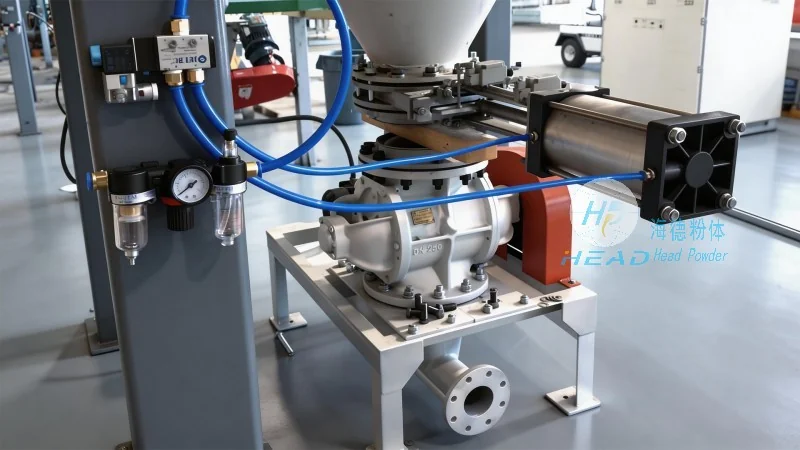
Application Scenarios and Industry Impact
The hygroscopic sodium nitrate powder pneumatic conveying system is widely used in various industries, including chemical manufacturing, food processing, and pharmaceuticals, where the handling of hygroscopic powders is essential. In chemical plants, it is used to transport sodium nitrate for the production of fertilizers, explosives, or other chemical products, ensuring that the material is delivered to reactors or storage facilities without degradation. In food processing, the system may be employed to handle sodium nitrate used as a preservative or curing agent, maintaining the quality and safety of the final products. The system’s ability to handle hygroscopic materials efficiently and safely makes it an indispensable tool in these industries, contributing to improved productivity and reduced operational costs.