

What is a High-Temperature Fine Ash Powder Pneumatic Conveying System? And What Are Its Design Princ
High-temperature fine ash powder pneumatic conveying systems are specialized industrial equipment designed to transport fine particulate materials, such as high-temperature ash from power plants, through a pressurized air stream. These systems are critical in various industrial applications where the efficient and safe handling of hot, fine powders is essential. The design principles behind these systems are tailored to address the unique challenges posed by high-temperature materials, ensuring reliable operation and minimal material loss.
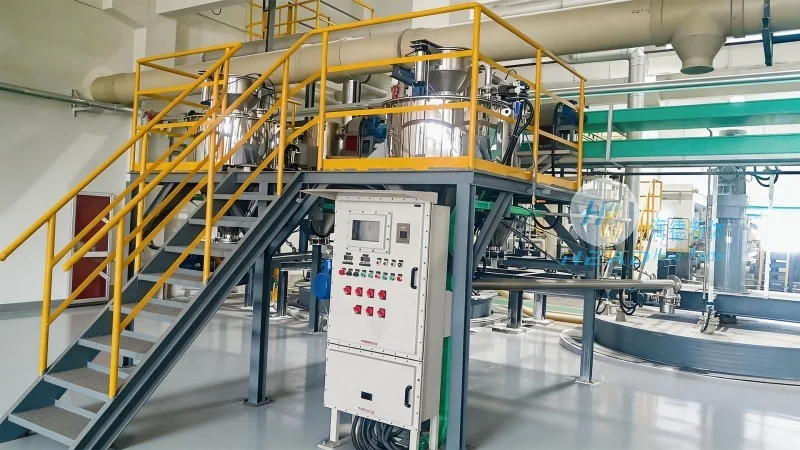
Introduction to High-Temperature Fine Ash Powder Pneumatic Conveying Systems
HeadPowder, a leading provider of engineering solutions for powder handling, specializes in the design and implementation of high-temperature fine ash powder pneumatic conveying systems. Based in Shandong, China, the company leverages advanced technology and extensive industry experience to deliver systems that meet the stringent requirements of modern industrial processes. The primary goal of these systems is to transport fine ash particles, typically with particle sizes ranging from 1 to 100 microns, from a source point to a destination point, such as a storage silo or processing unit, while maintaining the material's integrity and preventing caking or agglomeration.
Key Components of the Pneumatic Conveying System
The high-temperature fine ash powder pneumatic conveying system consists of several key components that work in tandem to achieve efficient material transport. The main components include a material feed hopper, a positive displacement blower or rotary lobe pump, a conveying pipeline, and a receiving hopper or silo. The material feed hopper is designed to hold the high-temperature ash and provide a controlled feed rate to the system. It often includes a heating element or insulation to maintain the material's temperature and prevent cooling during the transfer process. The positive displacement blower or pump generates the necessary air pressure to move the fine particles through the pipeline. These devices are chosen based on the system's capacity and the specific characteristics of the ash, such as its density and particle size distribution. The conveying pipeline is typically made of corrosion-resistant materials, such as stainless steel or high-temperature resistant alloys, to withstand the high temperatures and abrasive nature of the ash. The pipeline may include bends, elbows, and expansion joints to accommodate the system's layout and minimize pressure losses. The receiving hopper or silo is used to collect the transported ash and store it for further processing or disposal. It is equipped with a discharge valve or outlet to control the material flow and prevent backflow.
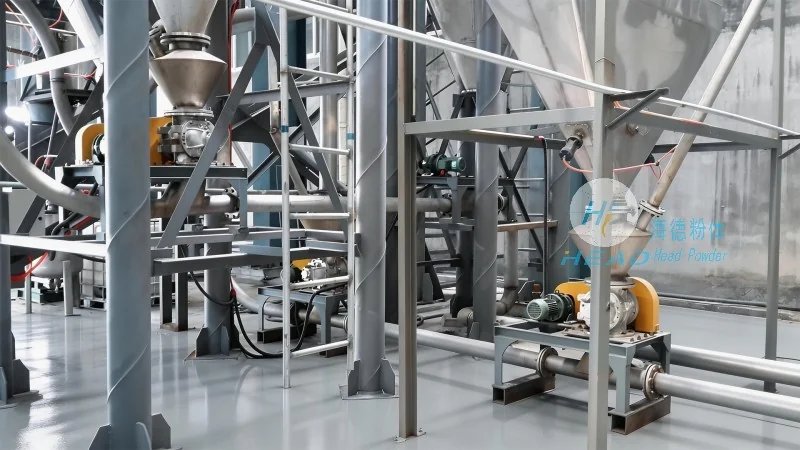
Design Principles for High-Temperature Applications
The design principles for high-temperature fine ash powder pneumatic conveying systems are centered on maintaining the material's temperature, preventing material degradation, and ensuring system reliability. One of the critical design considerations is the selection of appropriate materials for the system components. The feed hopper and pipeline must be constructed from materials that can withstand the high temperatures, typically above 200°C, without degrading or losing their mechanical properties. Stainless steel, high-temperature alloys, and specialized coatings are commonly used for these components. Another key principle is the control of air flow and pressure to prevent material caking or agglomeration. The system is designed to maintain a consistent air velocity and pressure throughout the pipeline, ensuring that the fine ash particles remain suspended and do not settle or stick to the pipeline walls. This is achieved through the use of appropriate blower or pump capacity and the optimization of pipeline dimensions. The system also incorporates temperature monitoring and control mechanisms to maintain the ash's temperature during transport. Sensors are installed at various points in the system to monitor the temperature of the ash and the air, and control systems adjust the heating or cooling elements as needed to keep the material within the desired temperature range. Additionally, the design includes features to prevent dust emissions and ensure environmental compliance. The system may include dust collection and filtration systems to capture any airborne particles and prevent them from being released into the environment. This is particularly important for high-temperature ash, which can be a source of air pollution if not properly contained.
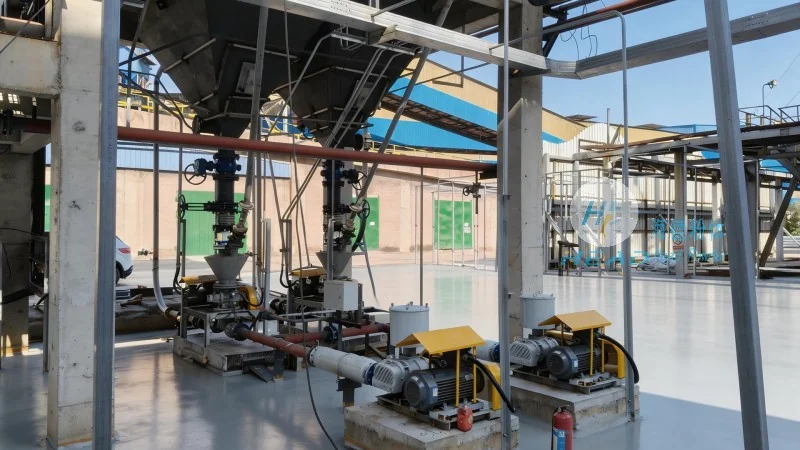
Operational Considerations and Maintenance
Operating a high-temperature fine ash powder pneumatic conveying system requires careful attention to several operational considerations to ensure optimal performance and longevity. Regular maintenance is essential to prevent system failures and minimize downtime. The system components, such as the blower, pump, and pipeline, should be inspected regularly for signs of wear, corrosion, or damage. The feed hopper and receiving hopper should be checked for clogging or material buildup, which can affect the system's efficiency. The temperature control system should be calibrated and maintained to ensure accurate temperature monitoring and control. Additionally, the system's air filtration and dust collection systems should be cleaned and maintained to prevent clogging and ensure proper operation. The ash feed rate should be adjusted based on the system's capacity and the material's characteristics to avoid overloading the system. The system should also be equipped with safety features, such as pressure relief valves and temperature sensors, to prevent overpressure or overheating. These features are designed to protect the system and personnel from potential hazards. Proper training of operators is also crucial to ensure the safe and efficient operation of the system. Operators should be trained on the system's operation, maintenance, and safety procedures to minimize the risk of accidents and ensure optimal performance.
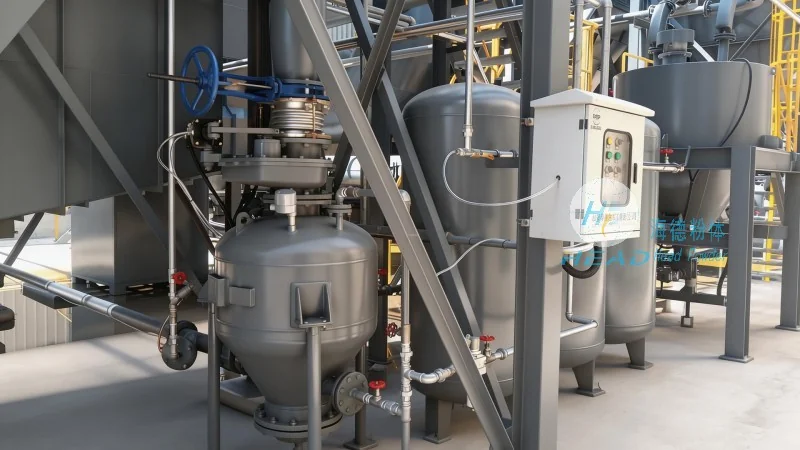
Applications and Benefits
High-temperature fine ash powder pneumatic conveying systems are widely used in various industrial applications, including power generation, cement production, and chemical processing. In power plants, these systems are used to transport high-temperature ash from the boiler to the ash handling system, where it is stored or disposed of. The systems are also used in cement plants to transport raw materials or finished products, such as cement, from one processing unit to another. In chemical processing, the systems are used to transport fine powders, such as pigments or catalysts, between processing units. The benefits of using high-temperature fine ash powder pneumatic conveying systems include improved material handling efficiency, reduced labor costs, and enhanced safety. The systems are designed to handle high-temperature materials without the need for manual handling, which reduces the risk of worker exposure to hot materials. The systems also minimize material loss and caking, which improves the overall efficiency of the process. Additionally, the systems are designed to be environmentally friendly, with features such as dust collection and filtration to prevent air pollution. The use of these systems can also reduce the need for manual labor, which can lower labor costs and improve workplace safety.
Conclusion
High-temperature fine ash powder pneumatic conveying systems are essential equipment for the efficient and safe handling of high-temperature fine particulate materials. The design principles behind these systems are tailored to address the unique challenges posed by high-temperature materials, ensuring reliable operation and minimal material loss. HeadPowder, with its expertise in engineering solutions for powder handling, provides high-quality systems that meet the stringent requirements of modern industrial processes. By leveraging advanced technology and extensive industry experience, HeadPowder delivers systems that improve material handling efficiency, reduce labor costs, and enhance workplace safety. The company's commitment to quality and customer satisfaction has made it a leading provider of high-temperature fine ash powder pneumatic conveying systems in the industry.