

What is a Polyvinyl Alcohol Formaldehyde Powder Pneumatic Conveying System? And What Are Its Design
Understanding the Polyvinyl Alcohol Formaldehyde (PVA-formaldehyde) powder pneumatic conveying system involves exploring its role in material handling and the underlying design principles that ensure efficient operation. This system is a specialized type of pneumatic conveying equipment designed to transport PVA-formaldehyde powders, which are commonly used in various industrial applications due to their unique properties. The system's effectiveness depends on a combination of mechanical and pneumatic components working in harmony to move the powder from a source to a destination.
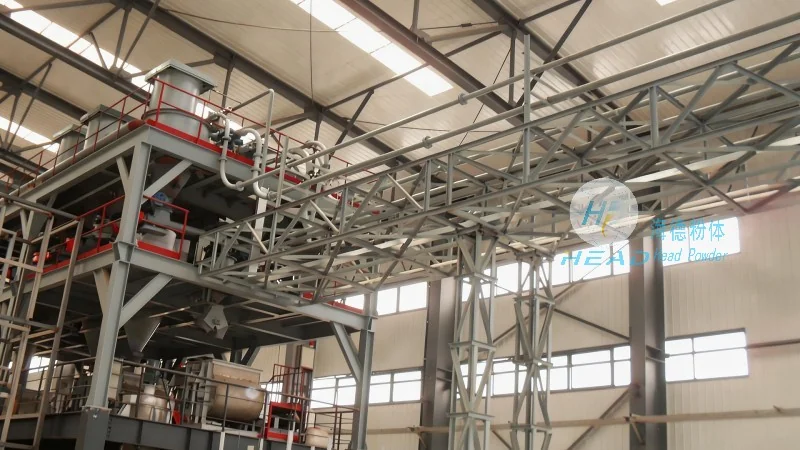
Introduction to the PVA-formaldehyde Powder Pneumatic Conveying System
The PVA-formaldehyde powder pneumatic conveying system is a critical piece of equipment in industries where PVA-formaldehyde powders are processed. It is engineered to handle the specific characteristics of this material, such as its particle size, density, and flowability. The system is typically used in applications like chemical manufacturing, pharmaceutical production, and food processing, where the safe and efficient transfer of powders is essential. By utilizing air or other gases to move the material, the system minimizes the need for mechanical components that might cause contamination or damage to the product. This system is provided by Shandong HeadPowder Engineering Co., Ltd., a leading manufacturer of powder handling equipment based in Shandong, China, with a focus on delivering high-quality and reliable solutions for industrial material transport.
Key Components of the Pneumatic Conveying System
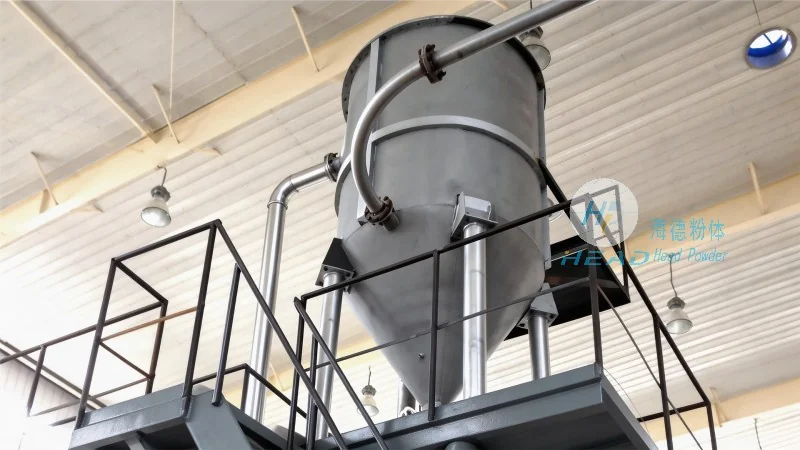
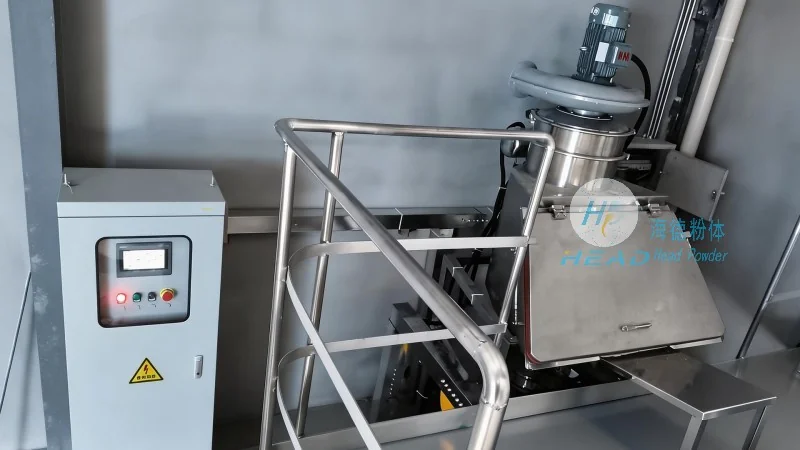
The PVA-formaldehyde powder pneumatic conveying system consists of several key components that work together to achieve the desired outcome. These components include the material feeder, which ensures a consistent and controlled flow of the powder into the system. The feeder is typically designed to handle the specific characteristics of PVA-formaldehyde powders, such as their tendency to agglomerate or stick to surfaces. The conveying line, made of materials resistant to the chemical properties of the PVA-formaldehyde, is the main pathway for the powder. The air compressor or blower provides the necessary pressure and airflow to move the material through the system. The separation equipment, such as cyclones or filters, is used to separate the powder from the air at the end of the conveying process. Finally, the control system manages the operation of all components, ensuring optimal performance and safety.
Design Principles and Engineering Considerations
The design of the PVA-formaldehyde powder pneumatic conveying system is based on several fundamental principles of fluid dynamics and material science. The primary design principle is to maintain a stable and continuous flow of the powder while minimizing the risk of blockages or system failures. This involves carefully selecting the appropriate air velocity and pressure to match the properties of the PVA-formaldehyde powder. The system's design also considers the distance and elevation changes between the source and destination, as these factors affect the required air pressure and power consumption. The material of construction is another critical design consideration, as the PVA-formaldehyde powder may be corrosive or abrasive, requiring materials like stainless steel or specialized coatings to prevent wear and degradation. Additionally, the system is designed to meet safety standards, including explosion-proof features and proper ventilation to ensure the safety of operators and the environment.
Operational Efficiency and Performance Metrics
Operational efficiency is a key factor in the design and operation of the PVA-formaldehyde powder pneumatic conveying system. The system's performance is measured by several metrics, including the conveying capacity (the amount of powder moved per unit time), the pressure drop across the system, and the energy consumption. The design aims to minimize pressure drop by using smooth, well-designed components and avoiding sharp turns or restrictions in the conveying line. This reduces the energy required to operate the system and increases its overall efficiency. The system's capacity is determined by the size of the feeder, the air flow rate, and the characteristics of the PVA-formaldehyde powder. Proper maintenance and regular cleaning of the system components are essential to maintain optimal performance and prevent downtime. The control system plays a crucial role in monitoring and adjusting the system's parameters to ensure consistent performance and adapt to changes in the material or operating conditions.
Applications and Industry Use Cases
The PVA-formaldehyde powder pneumatic conveying system is widely used in various industries due to its ability to handle PVA-formaldehyde powders efficiently and safely. In the chemical industry, it is used to transport PVA-formaldehyde powders from reactors to storage tanks or processing units. In pharmaceutical manufacturing, the system is used to move PVA-formaldehyde powders used in drug formulations, ensuring that the material is handled in a sterile and controlled environment. In the food industry, the system is used to transport PVA-formaldehyde powders used as food additives or processing aids, maintaining the quality and safety of the final product. The system's versatility and adaptability make it suitable for a wide range of applications where traditional mechanical conveying methods may not be effective or safe.
Advantages of the PVA-formaldehyde Powder Pneumatic Conveying System
There are several advantages to using the PVA-formaldehyde powder pneumatic conveying system over other types of material handling equipment. One of the main advantages is the ability to handle powders that are difficult to transport using traditional methods, such as those that are cohesive or have a tendency to agglomerate. The system's enclosed design prevents dust and particles from being released into the environment, reducing the risk of contamination and improving safety. The system is also relatively compact and can be installed in tight spaces, making it suitable for facilities with limited floor space. Additionally, the system can be easily integrated with other processing equipment, such as mixers or reactors, to create a seamless production line. The use of air as the conveying medium also allows for the transport of materials over long distances without the need for additional infrastructure, such as conveyor belts or elevators.
Challenges and Solutions in PVA-formaldehyde Powder Conveying
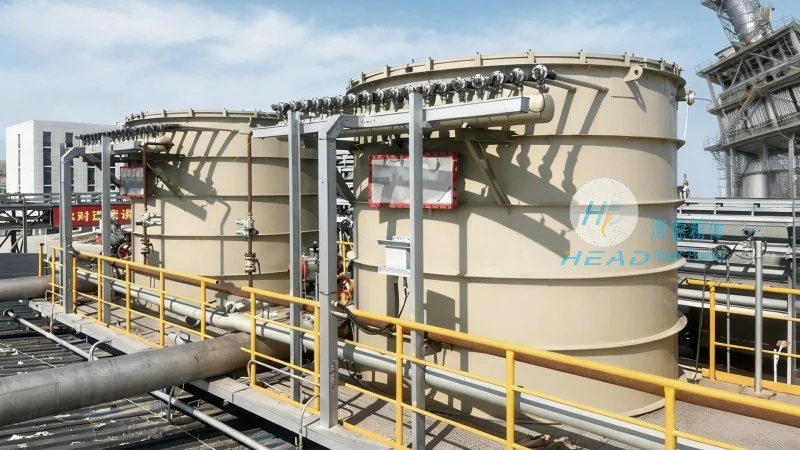
While the PVA-formaldehyde powder pneumatic conveying system offers many benefits, it also presents some challenges that must be addressed during design and operation. One of the main challenges is the potential for the powder to cause blockages in the conveying line, which can lead to system downtime and product loss. This can be mitigated by using proper feeder designs and maintaining the system's components to prevent buildup. Another challenge is the risk of dust explosion, which can occur if the powder is ignited in the presence of an explosive atmosphere. This is addressed by incorporating explosion-proof features into the system design and ensuring proper ventilation. The system's energy consumption is also a consideration, as high air pressure and flow rates can increase operating costs. This can be managed by optimizing the system's design and using energy-efficient components, such as variable frequency drives for the air compressor.
Future Developments and Innovations
As technology advances, the PVA-formaldehyde powder pneumatic conveying system is likely to see further developments and innovations. One area of focus is the use of advanced materials and coatings to improve the system's resistance to corrosion and wear. This will extend the system's lifespan and reduce maintenance costs. Another area is the integration of smart sensors and control systems, which can provide real-time monitoring of the system's performance and detect potential issues before they become major problems. This will improve the system's reliability and reduce downtime. Additionally, the development of more energy-efficient air compressors and blowers will further reduce the system's operating costs. The use of predictive maintenance technologies will also help to optimize the system's maintenance schedule and reduce unplanned downtime. Overall, the future of the PVA-formaldehyde powder pneumatic conveying system is likely to be characterized by increased efficiency, reliability, and sustainability.