

What is a Dicalcium Phosphate Material Conveying Line? What Are Its Design Principles?
Dicalcium phosphate (DCP) is a widely used feed additive in the animal nutrition industry, and its efficient handling is crucial for maintaining product quality and operational efficiency. A dicalcium phosphate material conveying line is a specialized system designed to transport this powder from storage silos to processing or packaging areas. This article explores the key aspects of such systems, including their design principles and functional components.
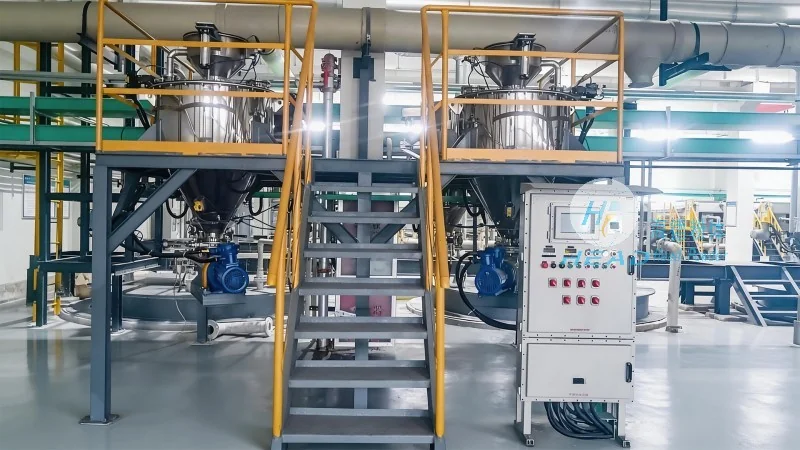
Introduction to Dicalcium Phosphate Material Conveying Lines
Dicalcium phosphate (DCP) is a widely used feed additive in the animal nutrition industry, and its efficient handling is crucial for maintaining product quality and operational efficiency. A dicalcium phosphate material conveying line is a specialized system designed to transport this powder from storage silos to processing or packaging areas. This article explores the key aspects of such systems, including their design principles and functional components.
Overview of Dicalcium Phosphate and Its Handling Requirements
Dicalcium phosphate is a fine, hygroscopic powder that requires careful handling to prevent caking, segregation, and loss of quality. Unlike bulk solids with higher flowability, DCP can be prone to sticking to equipment surfaces and forming lumps if not managed properly. Therefore, conveying systems must incorporate features that address these challenges, such as appropriate material flow aids, sealing mechanisms, and controlled air flow to maintain product integrity.
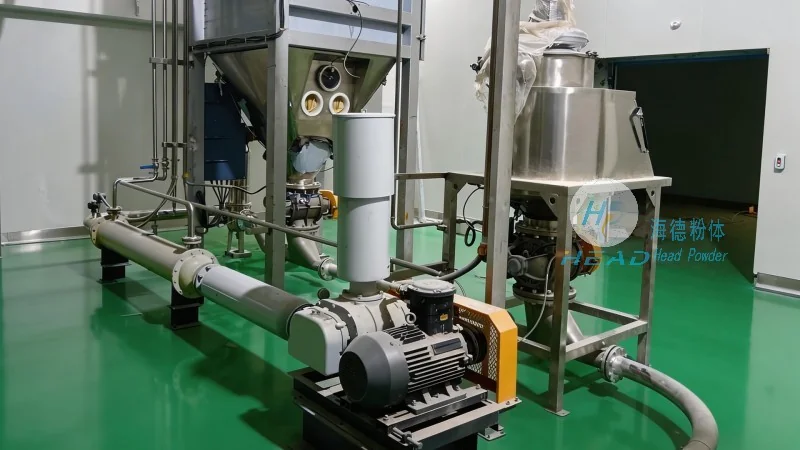
Core Components of a Dicalcium Phosphate Conveying System
A typical dicalcium phosphate material conveying line consists of several interconnected components, each playing a vital role in the overall operation. The primary components include a storage silo or hopper, a feeder (often a rotary or vibratory type), a conveyor (such as a screw or pneumatic system), and a control panel. The storage silo is usually equipped with a lid to prevent moisture ingress and an aeration system to maintain consistent material flow. The feeder ensures a uniform discharge rate, while the conveyor transports the material to the next processing stage. Additionally, the system may include a dust collection unit to manage airborne particles and a safety interlock system to prevent overfilling or blockages.
Design Principles for Efficient Material Transport
The design of a dicalcium phosphate conveying line is guided by several key principles to ensure optimal performance. First, the system must minimize material degradation by reducing friction and impact during transport. This is achieved through the use of smooth, corrosion-resistant materials for conveyor components and gentle acceleration/deceleration rates. Second, the system should prevent segregation, where different particle sizes or densities separate during transport. This is addressed by using conveyor designs that maintain a consistent flow velocity and avoid sudden changes in direction. Third, the system must control moisture content and prevent caking by incorporating drying or aeration features where necessary. Finally, the design must prioritize safety and ease of maintenance, with clear access points for cleaning and inspection.
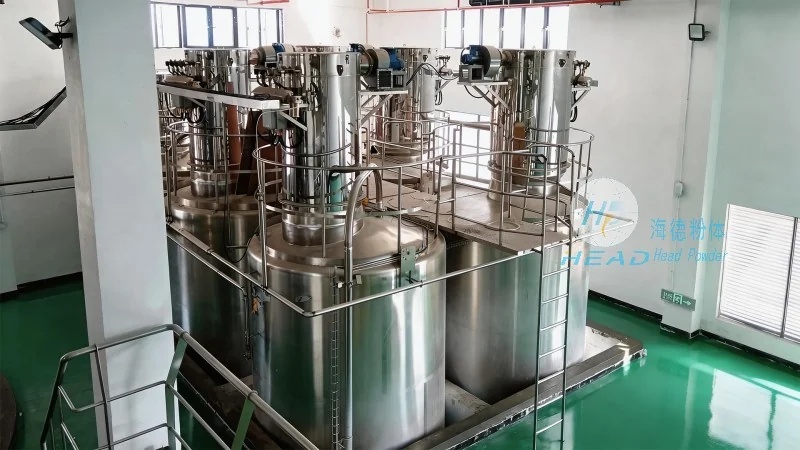
Application Scenarios and Operational Considerations
Dicalcium phosphate material conveying lines are commonly used in feed mills, fertilizer plants, and chemical processing facilities. In feed mills, the system may connect multiple silos to a central processing line, ensuring a steady supply of DCP for animal feed production. In fertilizer plants, the system may transport DCP from storage to blending or packaging equipment. Operational considerations include monitoring material flow rates, maintaining proper air pressure in pneumatic systems, and regularly cleaning the conveyor to prevent buildup. Additionally, the system should be equipped with sensors to detect blockages or overfilling, triggering alarms or automatic shutdowns to prevent equipment damage or product loss.
About Shandong HeadPowder Engineering Co., Ltd.
Shandong HeadPowder Engineering Co., Ltd., commonly known as HeadPowder, is a leading manufacturer of specialized material handling equipment for the chemical and feed industries. With a focus on innovation and customer satisfaction, HeadPowder provides customized conveying solutions tailored to the unique requirements of dicalcium phosphate and other fine powders. The company’s facilities are located in Shandong, China, where it leverages advanced manufacturing technologies and a team of experienced engineers to develop high-quality, reliable systems. HeadPowder’s products are designed to meet international standards for safety, efficiency, and environmental compliance, making them a trusted choice for businesses in the animal nutrition and chemical sectors.