

What is a Soybean Grain Material Conveying Line? What are its Design Principles?
For those in the agricultural processing industry, understanding the equipment used to handle and transport soybeans is crucial. A soybean grain material conveying line is a specialized system designed to efficiently move soybeans from one processing stage to another. This equipment is integral to modern soybean processing plants, ensuring smooth operations and optimal product quality. The design principles behind these conveying lines are carefully engineered to meet the unique physical and chemical properties of soybeans, as well as the operational demands of the processing facility.
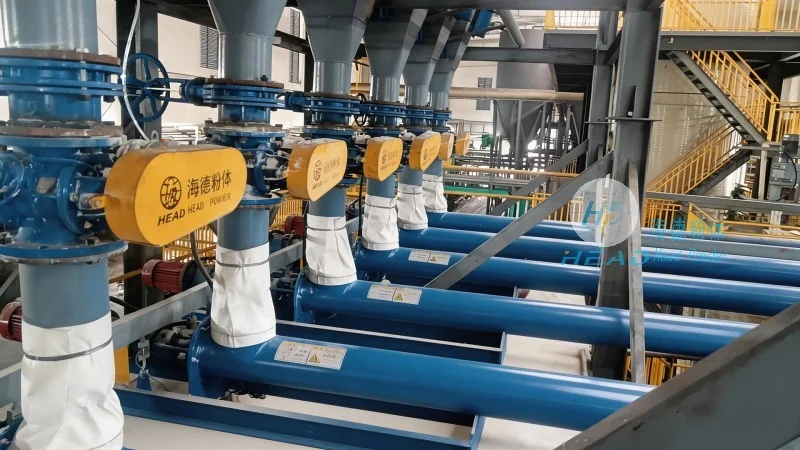
Introduction to Soybean Grain Material Conveying Lines
A soybean grain material conveying line is a comprehensive system that includes various components such as hoppers, conveyors, elevators, and storage bins. The primary function of this line is to transport soybeans from the reception area to the processing units, such as cleaning, drying, and grinding. The system is designed to handle large volumes of soybeans while maintaining minimal loss and ensuring the beans are in optimal condition for further processing. The conveying line is typically integrated with other processing equipment, forming a seamless workflow that enhances overall plant efficiency.
Key Components of a Soybean Grain Material Conveying Line
The effectiveness of a soybean grain material conveying line depends on its well-designed components. Each part plays a critical role in the smooth operation of the system. The key components include:
1. Hoppers and Feeders: These are used to collect and feed soybeans into the conveying system. Hoppers are typically made of durable materials like stainless steel or reinforced plastic to prevent contamination and wear. Feeders, such as rotary or vibratory types, regulate the flow of soybeans into the conveyor, ensuring a consistent and controlled feed rate.
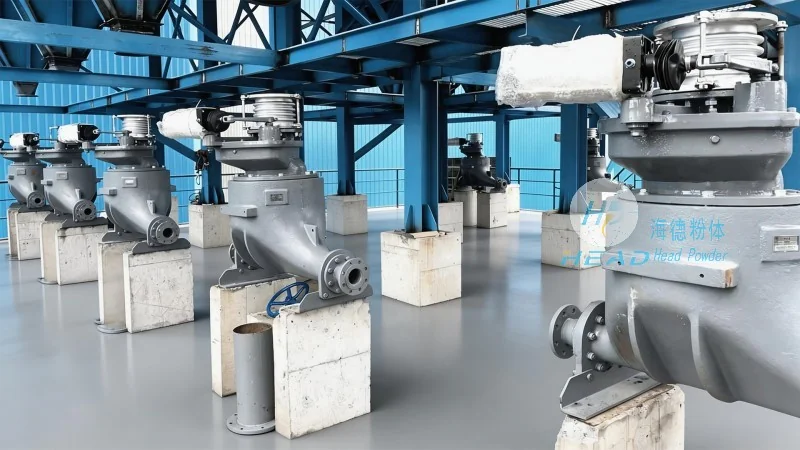
2. Conveyors: Conveyors are the core of the conveying line, responsible for transporting soybeans horizontally or vertically. Common types include belt conveyors, screw conveyors, and bucket elevators. Belt conveyors are ideal for horizontal transport due to their ability to handle large volumes with minimal maintenance. Screw conveyors are suitable for vertical or inclined transport, providing a compact solution for moving soybeans between different levels. Bucket elevators are used for vertical transport, efficiently lifting soybeans to higher levels while minimizing product damage.
3. Elevators and Bins: Elevators, often in combination with storage bins, are used to move soybeans vertically and store them temporarily. The storage bins are designed to hold large quantities of soybeans, providing a buffer between processing stages. These components are typically equipped with level sensors and aeration systems to maintain the quality of the stored soybeans, preventing spoilage and ensuring they remain in good condition for processing.
Design Principles for Efficient Soybean Conveying
The design of a soybean grain material conveying line is guided by several key principles aimed at maximizing efficiency, minimizing product damage, and ensuring operational safety. These principles are tailored to the specific characteristics of soybeans, which are delicate and can be easily damaged during handling.
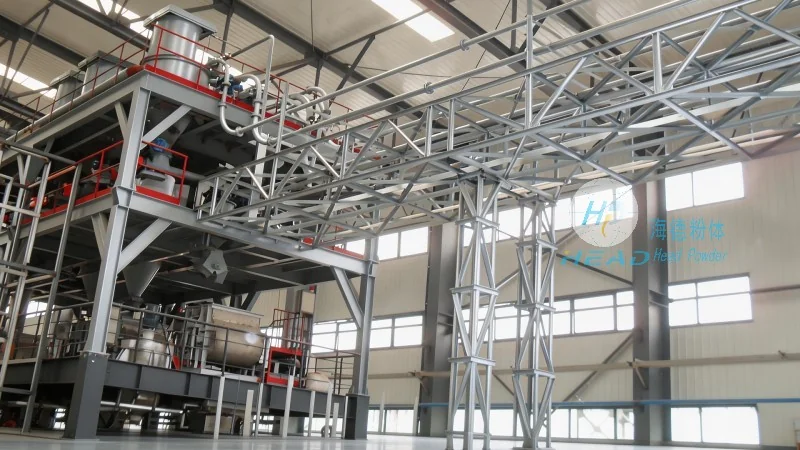
1. Minimizing Product Damage: Soybeans are susceptible to bruising and cracking, which can affect their quality and market value. The design of the conveying line focuses on using gentle handling methods. For example, belt conveyors with soft, non-abrasive surfaces are preferred over metal or rigid components. The speed of the conveyor is also carefully controlled to prevent excessive impact or friction. Additionally, the system includes features like impact plates and cushioning to absorb shocks and reduce stress on the beans.
2. Optimizing Flow and Capacity: The conveying line is designed to handle the required volume of soybeans while maintaining a consistent flow. This involves selecting the appropriate conveyor type and size based on the plant's throughput requirements. The system is also equipped with flow meters and sensors to monitor the volume of soybeans being transported, allowing for adjustments to maintain optimal performance. Proper sizing of hoppers and feeders ensures that the conveyor receives a steady supply of material, preventing bottlenecks and ensuring continuous operation.
3. Ensuring Hygiene and Cleanliness: In food processing, maintaining hygiene is paramount. The conveying line is designed with easy-to-clean surfaces and components that can be sanitized regularly. Stainless steel is commonly used for hoppers, conveyors, and bins due to its corrosion resistance and ease of cleaning. The system also includes features like sealed joints and minimal dead zones to prevent the accumulation of soybeans and contaminants, reducing the risk of bacterial growth and ensuring product safety.
4. Energy Efficiency: Modern conveying lines are designed to be energy-efficient, reducing operational costs for the processing plant. This is achieved through the use of high-efficiency motors, variable speed drives, and optimized conveyor designs. The system is engineered to minimize energy consumption while maintaining the required performance levels. Additionally, the use of lightweight materials and efficient component placement helps reduce overall energy usage, contributing to a more sustainable operation.
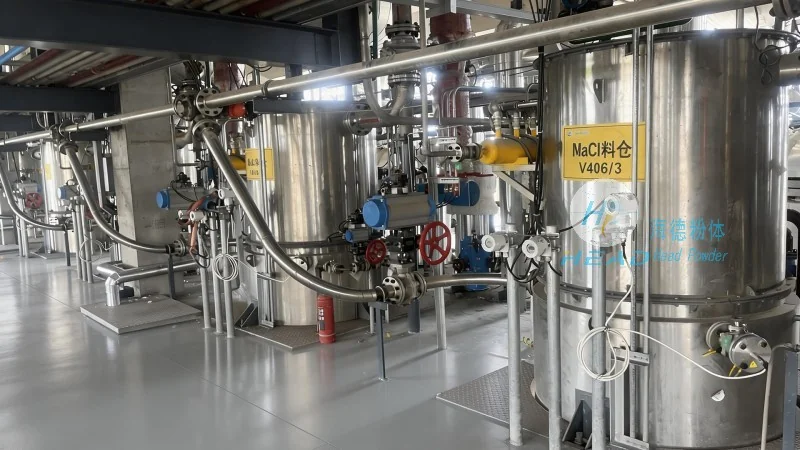
Application in Soybean Processing
The soybean grain material conveying line is a critical component in the overall soybean processing workflow. It connects the reception and storage stages with the processing units, ensuring a continuous supply of raw material. The system is typically integrated with cleaning equipment, where soybeans are sorted and cleaned of impurities before being conveyed to the next stage. After cleaning, the soybeans may be dried or conditioned to adjust moisture content, and then conveyed to the grinding or pressing units for further processing.
The conveying line plays a vital role in maintaining the quality of the soybeans throughout the processing stages. By ensuring that the beans are handled gently and efficiently, the system helps preserve their nutritional value and market quality. This is particularly important for soybeans intended for human consumption or animal feed, where quality is a key factor in consumer acceptance and market price.
Conclusion
A soybean grain material conveying line is a sophisticated and essential piece of equipment in the soybean processing industry. Its design principles are carefully tailored to the unique characteristics of soybeans, focusing on efficiency, product quality, and operational safety. By integrating various components such as hoppers, conveyors, elevators, and storage bins, the system ensures smooth and continuous operation from reception to processing. For businesses in the agricultural processing sector, investing in a well-designed conveying line is crucial for maintaining competitiveness and ensuring the quality of their products. The expertise of companies like Shandong HeadPowder Engineering Co., Ltd., based in China, is instrumental in providing tailored conveying solutions that meet the specific needs of soybean processing facilities.