

What is a Fertilizer Granular Material Conveying Line? What are its Design Principles?
Efficient and reliable transportation of fertilizer granules is a critical component in modern agricultural operations, ensuring that nutrient-rich materials are delivered to farms and processing facilities with minimal loss and maximum efficiency. A fertilizer granular material conveying line, also known as a fertilizer granule conveyor system, is a specialized piece of equipment designed to handle the bulk movement of granular fertilizers. This system is essential for optimizing the supply chain in the fertilizer industry, supporting the high-volume production and distribution needs of agricultural enterprises.
Introduction to Fertilizer Granular Material Conveying Lines
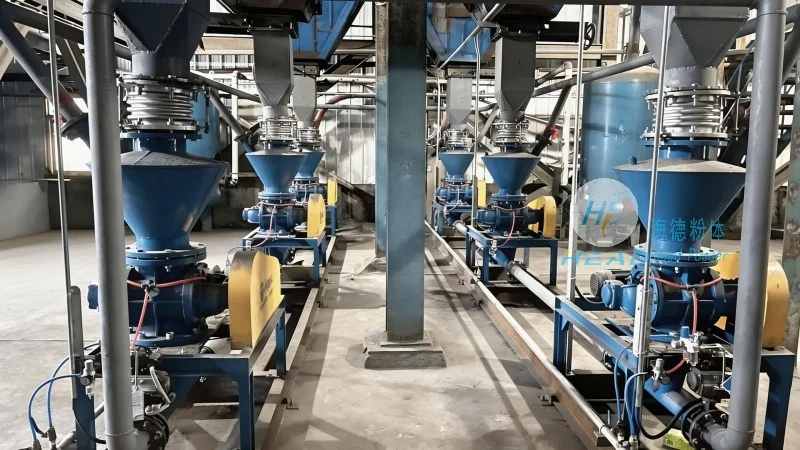
A fertilizer granular material conveying line is a comprehensive system engineered to transport granular fertilizers from storage silos or production units to processing plants, storage areas, or distribution centers. These systems are designed to handle various types of granular fertilizers, including nitrogen-based, phosphorus-based, and potassium-based products, as well as blended or compound fertilizers. The primary goal of such a conveying line is to ensure a continuous, low-friction flow of material, minimizing the risk of clogging, breakage, or degradation during transport.
HeadPowder: A Leader in Fertilizer Handling Solutions
Shandong HeadPowder Engineering Co., Ltd., a prominent manufacturer based in China, specializes in the design, development, and manufacturing of advanced material handling equipment for the fertilizer industry. With years of experience and a commitment to innovation, HeadPowder has established itself as a trusted partner for agricultural and chemical processing companies seeking reliable and efficient conveying solutions. The company's expertise lies in understanding the unique challenges of fertilizer handling, such as the need for low abrasion, corrosion resistance, and the ability to handle a wide range of granule sizes and densities.
Design Principles of Fertilizer Granular Material Conveying Lines
The design of a fertilizer granular material conveying line is governed by several key principles aimed at maximizing efficiency, safety, and durability. These principles include the selection of appropriate conveyor types, the integration of robust drive systems, the incorporation of specialized material handling components, and the implementation of advanced control mechanisms. Each component of the system is carefully engineered to work in harmony, ensuring smooth and continuous operation under varying load conditions.
Key Components and Their Functions
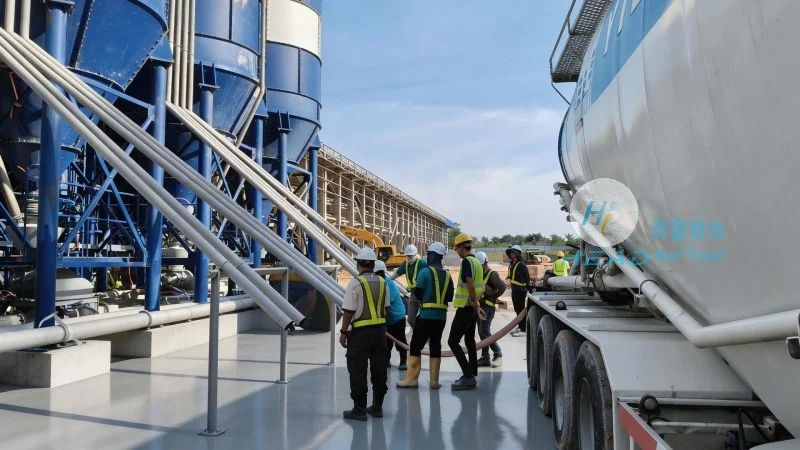
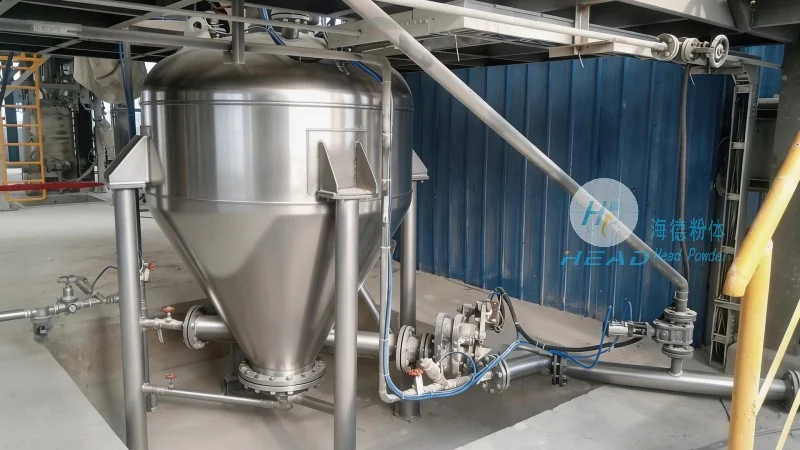
The core components of a fertilizer granular material conveying line typically include feed hoppers, conveyor belts or screw conveyors, drive units, idlers, and control panels. The feed hopper is responsible for receiving the granular fertilizer from storage silos and feeding it into the conveyor system. Conveyor belts, often made of durable materials like rubber or polyurethane, transport the material along the designated path. Screw conveyors, on the other hand, use rotating screws to push the material forward, making them ideal for vertical or inclined transport. Drive units, such as electric motors, provide the necessary power to move the material, while idlers support the conveyor structure and maintain proper alignment. Control panels allow operators to monitor and adjust the system's operation, ensuring optimal performance and safety.
Working Principle and Operational Efficiency
The operational principle of a fertilizer granular material conveying line involves a sequential process of material intake, transport, and discharge. The process begins with the granular fertilizer being fed into the hopper from a storage silo. From there, the material is transferred to the conveyor system, which moves it along the designated path. As the material travels, it may pass through various processing stages, such as screening or blending, before being discharged into a storage bin or directly to a processing unit. The system is designed to maintain a consistent flow rate, minimizing the risk of overloading or underloading, which can lead to inefficiencies or equipment damage. Advanced control systems, including sensors and variable frequency drives (VFDs), help regulate the speed and flow of the material, ensuring optimal operational efficiency and energy savings.
Advantages of a Well-Designed Conveying Line
Implementing a well-designed fertilizer granular material conveying line offers numerous advantages for agricultural and chemical processing companies. These advantages include improved operational efficiency, reduced labor costs, minimized material loss, and enhanced safety. The system's ability to handle high volumes of granular fertilizer with minimal downtime and maintenance reduces overall production costs. Additionally, the use of durable and corrosion-resistant materials ensures the longevity of the equipment, providing a reliable solution for long-term fertilizer handling needs. The integration of advanced control systems also allows for real-time monitoring and adjustment, enabling operators to respond quickly to changes in production requirements or material conditions.
Application in Different Fertilizer Types
Fertilizer granular material conveying lines are versatile and can be adapted to handle a wide range of granular fertilizers, including urea, ammonium nitrate, diammonium phosphate (DAP), monoammonium phosphate (MAP), and potassium chloride. Each fertilizer type may have specific handling requirements, such as varying moisture content, particle size, or chemical properties. The design of the conveying line is tailored to accommodate these specific needs, ensuring that the material is transported without degradation or loss of quality. For example, systems handling urea may incorporate special sealing mechanisms to prevent ammonia loss, while those handling phosphorus-based fertilizers may include additional cleaning features to prevent clogging from mineral deposits.
Conclusion
In conclusion, a fertilizer granular material conveying line is a critical piece of equipment for the efficient and reliable handling of granular fertilizers in agricultural and chemical processing operations. The design principles, components, and operational efficiency of such a system are carefully engineered to meet the demanding requirements of the fertilizer industry. Companies like Shandong HeadPowder Engineering Co., Ltd. play a vital role in providing advanced conveying solutions that enhance productivity, reduce costs, and ensure the safe and efficient movement of fertilizer materials. By investing in a well-designed conveying line, agricultural and chemical processing companies can optimize their supply chain, improve operational efficiency, and contribute to the sustainable development of the agricultural sector.