

What is a Color Masterbatch Particle Material Conveying Line? What Are Its Design Principles?
Color masterbatch particle material conveying lines are specialized industrial systems designed to handle and transport color masterbatch particles efficiently. These systems are crucial in various manufacturing processes, particularly in the plastics and polymer industries, where precise color distribution and consistent material flow are essential for producing high-quality products. The design of these conveying lines is tailored to meet the specific requirements of color masterbatch handling, ensuring minimal material degradation, optimal flow control, and reliable operation.
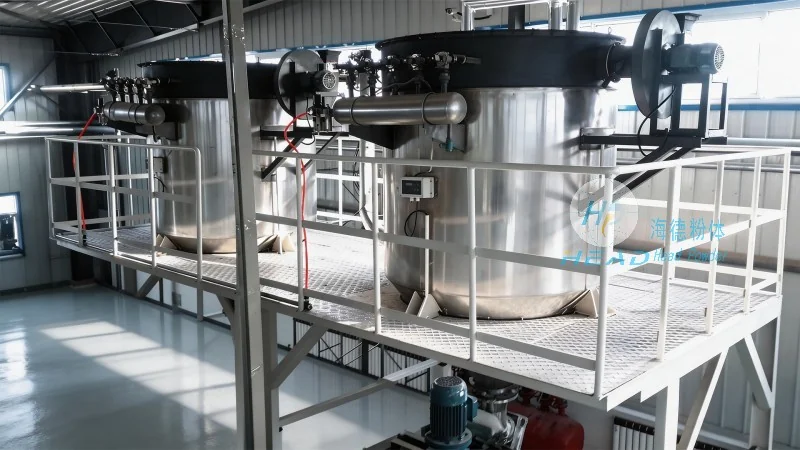
Key Components of the Conveying Line
The core components of a color masterbatch particle material conveying line typically include feed hoppers, conveyor mechanisms (such as screw conveyors or belt conveyors), pneumatic or mechanical feeders, and control systems. The feed hopper is responsible for storing the color masterbatch particles and providing a consistent feed to the conveyor. Conveyor mechanisms ensure the smooth movement of particles from the hopper to the processing equipment. Pneumatic or mechanical feeders regulate the flow rate, preventing overloading or underflow that could affect the quality of the final product. Control systems, often integrated with sensors and automation technology, monitor the conveying process, adjusting parameters in real-time to maintain optimal performance. For instance, screw conveyors are commonly used for vertical or inclined transport due to their ability to handle a wide range of particle sizes and their self-priming capability. Belt conveyors, on the other hand, are suitable for horizontal transport and can handle larger volumes of material. Pneumatic conveyors use air pressure to move particles, which is ideal for dusty or abrasive materials, but require careful design to prevent air leaks and maintain consistent flow.
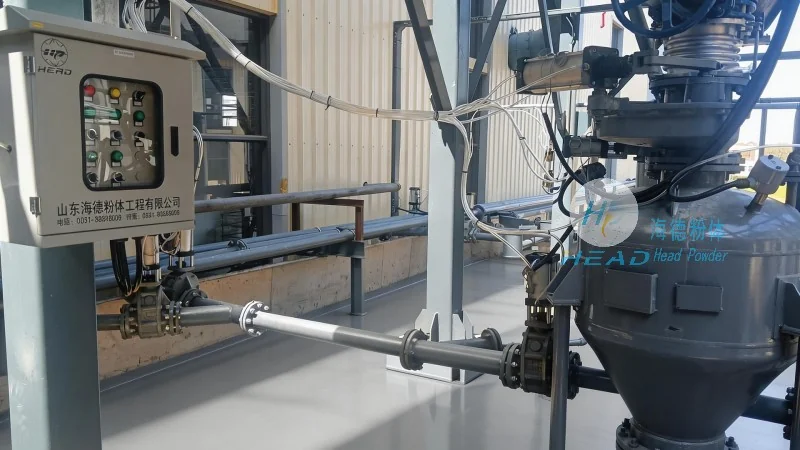
Design Principles for Efficient Material Handling
The design principles of a color masterbatch particle conveying line focus on several critical aspects to ensure efficiency and reliability. First, the system must minimize material degradation, which can occur due to friction, heat, or exposure to air. This is achieved through the use of appropriate materials for the conveyor components, such as food-grade or corrosion-resistant materials, and by incorporating features like temperature control and dust suppression. For example, stainless steel is often used for conveyor screws and hoppers to prevent corrosion and maintain hygiene. Temperature control systems, such as jacketed hoppers, help to regulate the temperature of the material, preventing overheating that could cause color fading or material degradation. Second, the conveying line is designed to maintain a consistent flow rate, which is vital for achieving uniform color distribution in the final product. This is achieved through precise control of the feed rate and the use of variable-speed drives. The control system can adjust the speed of the conveyor or feeder based on real-time feedback from sensors, such as load cells or pressure sensors, ensuring that the flow rate remains stable even when the material properties change. Third, the system must be easy to clean and maintain, as color masterbatch particles can be difficult to remove from equipment surfaces. This is addressed through the use of sanitary design features, such as smooth surfaces, rounded corners, and easy-to-disassemble components. CIP (Clean-In-Place) systems are often integrated into the design, allowing for automated cleaning without disassembling the equipment. This not only saves time and labor but also ensures that the system remains hygienic and compliant with industry standards.
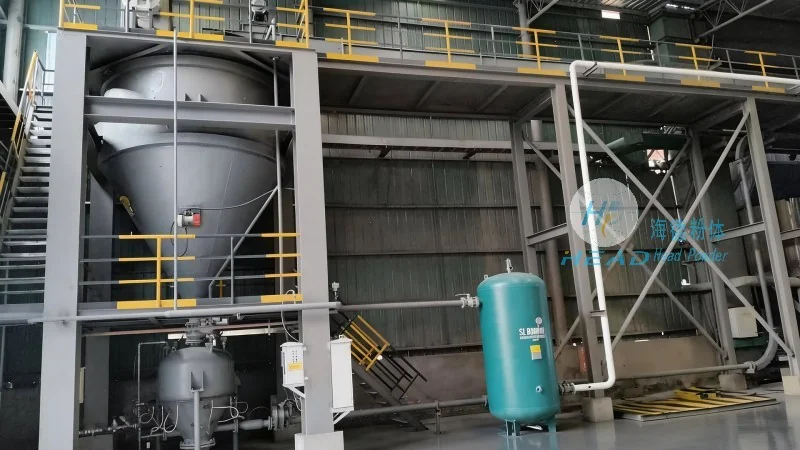
Application in Plastics Manufacturing
Color masterbatch particle conveying lines are widely used in the plastics manufacturing industry, where they play a key role in the production of colored plastics. The system ensures that color masterbatch is delivered to the extrusion or injection molding equipment in a controlled manner, preventing color variations and ensuring consistent product quality. The efficient handling of color masterbatch particles also helps to reduce material waste and improve production throughput. For example, in the production of plastic bottles or packaging materials, the conveying line ensures that the correct amount of color masterbatch is added to the polymer melt, resulting in uniform coloration and a smooth surface finish. In the case of medical device manufacturing, where color accuracy is critical for patient safety and regulatory compliance, the conveying line ensures that the color masterbatch is added in precise quantities, preventing any discoloration that could affect the device's performance. Additionally, the system can be integrated with other processing equipment, such as mixers or extruders, to form a complete production line, further enhancing efficiency and reducing downtime.