

What is an Organic Salt Material Conveying Line? And What Are Its Design Principles?
Organic salt material conveying lines are specialized systems engineered to handle the transportation of organic salt materials efficiently and safely. These lines are crucial in various industrial applications, particularly in the chemical, food processing, and mining sectors, where the movement of such materials is essential for production processes. Understanding the components and design principles behind these systems is vital for optimizing operational efficiency and ensuring compliance with safety standards.
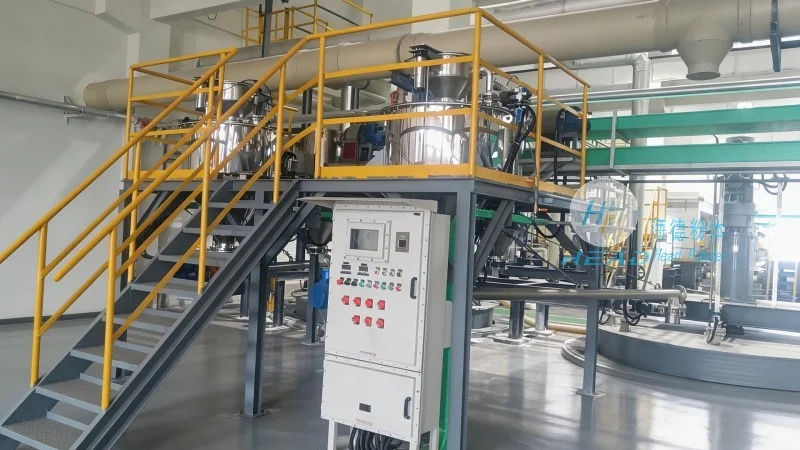
Components of an Organic Salt Material Conveying Line
An organic salt material conveying line typically consists of several key components that work in tandem to facilitate the movement of materials. The primary components include feeders, conveyors, control systems, and material handling accessories. Each component plays a critical role in the overall functionality of the system.
Feeders are responsible for feeding the organic salt material into the conveying system at a controlled rate. This ensures a consistent flow of material, preventing overloading or underloading of the conveyor. Common types of feeders include screw feeders, vibratory feeders, and belt feeders, which are chosen based on the material's characteristics, such as bulk density and flowability.
Conveyors form the core of the material conveying line. They are responsible for transporting the organic salt material from one location to another. There are various types of conveyors used in these systems, including belt conveyors, chain conveyors, and bucket elevators. Belt conveyors are widely used due to their simplicity, low maintenance, and ability to handle a wide range of material sizes and weights. Chain conveyors are suitable for heavier loads and materials with higher abrasiveness, while bucket elevators are ideal for vertical or inclined material transport.
Control systems are integral to the operation of the conveying line. They monitor and regulate the flow of material, ensuring that the system operates within safe and efficient parameters. These systems may include sensors, controllers, and automation devices that can detect changes in material flow, speed, or pressure, and adjust the system accordingly. Advanced control systems can also integrate with other production processes, providing real-time data and enabling predictive maintenance.
Material handling accessories, such as hoppers, chutes, and transfer points, are used to facilitate the movement of material through the system. Hoppers are used to store and feed material into the feeder, while chutes guide the material along the conveyor path. Transfer points are used to change the direction of the material flow, such as when moving from a horizontal to a vertical conveyor. These accessories are designed to minimize material spillage and ensure smooth transitions between components.

Design Principles of Organic Salt Material Conveying Lines
The design of an organic salt material conveying line is based on several key principles that ensure the system's effectiveness, safety, and longevity. These principles are tailored to the specific characteristics of the organic salt material being handled, including its size, shape, density, and flowability.
One of the primary design principles is material compatibility. The components of the conveying line must be resistant to the chemical and physical properties of the organic salt material. For example, if the material is highly corrosive or abrasive, the conveyor belts and components must be made from materials that can withstand these conditions, such as stainless steel or specialized polymers. This ensures that the system does not degrade over time and maintains its performance.
Another critical design principle is the consideration of material flow characteristics. The design must account for the material's bulk density, angle of repose, and flowability. These factors determine the appropriate conveyor type and speed, as well as the necessary slope or inclination of the conveyor. For example, a material with a high angle of repose may require a steeper conveyor angle to prevent material buildup and ensure smooth flow. The design must also consider the material's tendency to stick or clump, which may require the use of special feeders or additives to maintain a consistent flow.
Efficiency and energy consumption are also key design considerations. The conveying line should be designed to minimize energy usage while maximizing material throughput. This involves optimizing the conveyor speed, slope, and component selection to achieve the desired material flow with minimal power consumption. Advanced design techniques, such as variable speed drives and energy recovery systems, can further enhance the efficiency of the system.
Safety is a paramount design principle in organic salt material conveying lines. The system must be designed to prevent accidents and ensure the safety of operators and personnel. This includes features such as emergency stop buttons, safety guards, and monitoring systems that detect potential hazards, such as overloading or blockages. The design must also comply with relevant safety standards and regulations, such as those set by OSHA or other regulatory bodies.
Reliability and maintenance are additional design considerations. The conveying line should be designed to minimize downtime and reduce maintenance requirements. This involves using durable components, providing easy access for maintenance, and incorporating features that allow for quick repairs. The design may also include predictive maintenance systems that use sensors and data analysis to identify potential issues before they cause system failure.
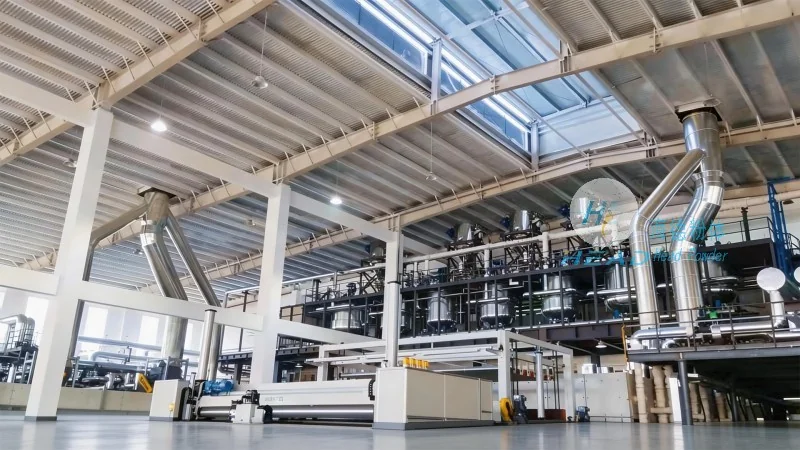
Applications of Organic Salt Material Conveying Lines
Organic salt material conveying lines are used in a wide range of industrial applications where the transportation of organic salt materials is essential. Some common applications include the chemical industry, where they are used to transport raw materials and finished products; the food processing industry, where they are used to handle salt for food preservation and processing; and the mining industry, where they are used to transport salt from mines to processing facilities.
In the chemical industry, organic salt material conveying lines are used to transport various types of salts, such as sodium chloride, potassium chloride, and calcium chloride. These materials are used in the production of chemicals, pharmaceuticals, and other industrial products. The conveying lines are designed to handle the high temperatures and corrosive nature of these materials, ensuring safe and efficient transport.
In the food processing industry, organic salt material conveying lines are used to handle salt for food preservation and processing. These lines are designed to meet food safety standards and are typically made from stainless steel or other food-grade materials. The conveying systems are also equipped with features that prevent contamination and ensure the purity of the salt.
In the mining industry, organic salt material conveying lines are used to transport salt from mines to processing facilities. These lines are often long and complex, requiring multiple components and control systems to ensure efficient material transport. The design of these systems must account for the challenging conditions of mining, such as varying material characteristics and harsh environmental factors.
Conclusion
Organic salt material conveying lines are sophisticated systems that play a critical role in various industrial applications. The design of these systems is based on several key principles, including material compatibility, flow characteristics, efficiency, safety, and reliability. By understanding these principles and selecting the appropriate components, industrial facilities can ensure the efficient and safe transportation of organic salt materials. Companies such as Shandong HeadPowder Engineering Co., Ltd., with their expertise in material handling systems, provide tailored solutions to meet the specific needs of their clients, ensuring optimal performance and operational efficiency.