

What is a Red Mud Powder Conveying System? What Are Its Design Principles?
Red mud, a byproduct of bauxite processing in the aluminum industry, poses significant challenges for handling and disposal. The development of efficient powder conveying systems is crucial for managing this material, ensuring safe and reliable transport from processing sites to disposal or recycling facilities. This article explores the red mud powder conveying system, detailing its design principles and the key factors that contribute to its effectiveness.
Introduction to Red Mud Powder Conveying Systems
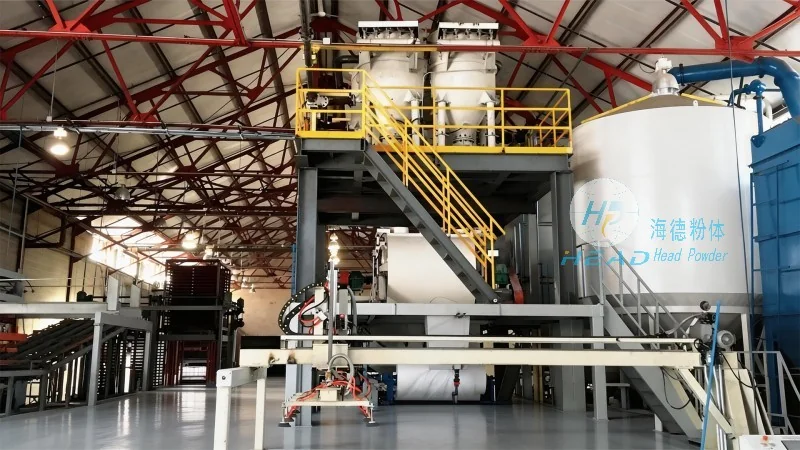
Red mud powder conveying systems are engineered to transport fine, abrasive, and often corrosive red mud particles. These systems are essential in the aluminum production process, where red mud is generated as a waste product. The primary goal of such systems is to move red mud from its source to a storage or treatment facility with minimal environmental impact and operational efficiency. Shandong HeadPowder Engineering Co., Ltd., a leading provider in this field, specializes in designing and manufacturing systems tailored to the unique challenges of red mud handling.
Design Principles of Red Mud Powder Conveying Systems
The design of a red mud powder conveying system is guided by several critical principles aimed at ensuring durability, efficiency, and safety. First, the system must be constructed from materials that can withstand the abrasive nature of red mud, which often contains high concentrations of oxides and other hard particles. Stainless steel, corrosion-resistant alloys, and specialized coatings are commonly used to prevent wear and extend the lifespan of components. Second, the system must be designed to handle the high moisture content and potential slurry characteristics of red mud, which can affect flow and system performance. Moisture control and appropriate material selection are vital to maintain consistent conveying rates and prevent blockages.
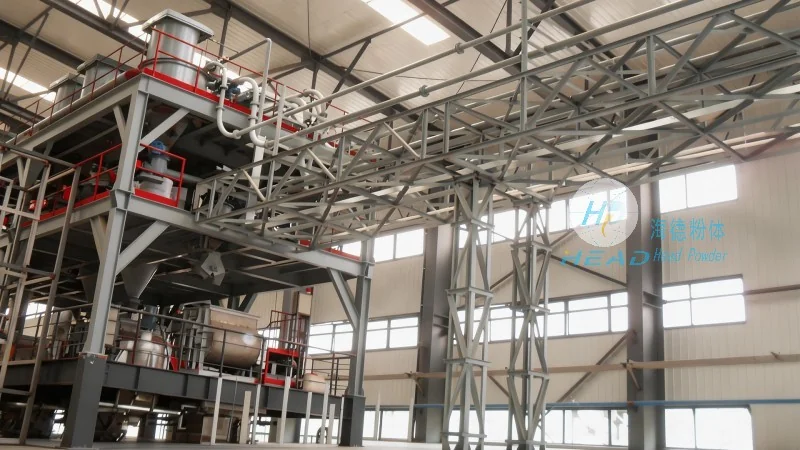
Third, the system must incorporate robust sealing and dust control mechanisms to minimize environmental contamination. Red mud is not only abrasive but also can be a source of dust, which poses health and safety risks. Advanced sealing technologies, such as double-flanged seals and airlock valves, are employed to prevent dust leakage and ensure compliance with environmental regulations. Fourth, the system must be designed for easy maintenance and operational flexibility. Modular components and accessible design features allow for quick repairs and adjustments, reducing downtime and operational costs. The integration of these principles ensures that the conveying system operates reliably under the demanding conditions of red mud handling.
Key Components and Their Functions
A typical red mud powder conveying system consists of several key components, each playing a critical role in the overall operation. The primary components include feeders, conveyors, and control systems. Feeders, such as rotary valves or screw feeders, are used to introduce red mud into the system at a controlled rate, ensuring consistent flow and preventing overloading. Conveyors, often in the form of pneumatic or mechanical systems, transport the red mud through the system. Pneumatic conveying systems use air pressure to move the material, while mechanical systems employ belts, buckets, or screw conveyors. The choice of conveyor type depends on factors such as material properties, distance, and required throughput. Control systems, including sensors and automation equipment, monitor and regulate the system's performance, ensuring optimal operation and safety.
Advantages of Red Mud Powder Conveying Systems
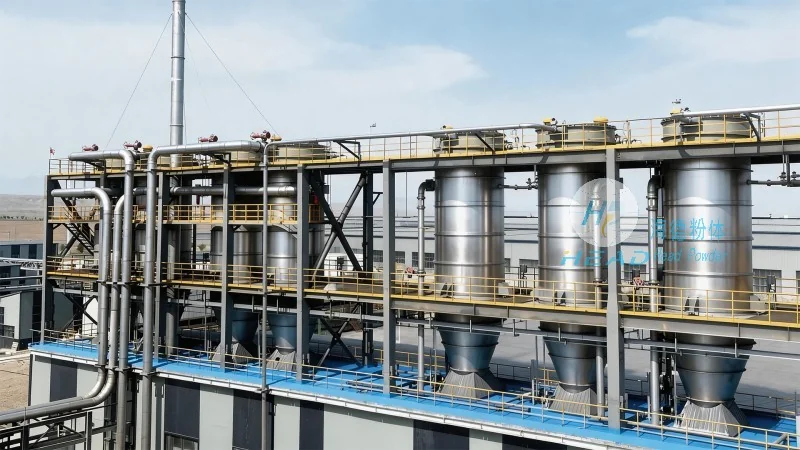
Implementing a red mud powder conveying system offers several advantages for aluminum producers and waste management facilities. First, it enhances operational efficiency by providing a continuous and reliable method of transporting red mud, reducing the need for manual handling and associated labor costs. Second, it improves safety by minimizing exposure to hazardous dust and reducing the risk of accidents associated with manual handling. Third, it contributes to environmental sustainability by reducing the environmental impact of red mud disposal. By efficiently transporting red mud to designated disposal or recycling sites, the system helps prevent contamination of soil and water resources. Fourth, it allows for better resource management by enabling the recycling of red mud components, which can be used in construction materials or other industrial applications. The integration of these advantages makes the red mud powder conveying system a valuable asset for any facility dealing with red mud.
Application Scenarios and Case Studies
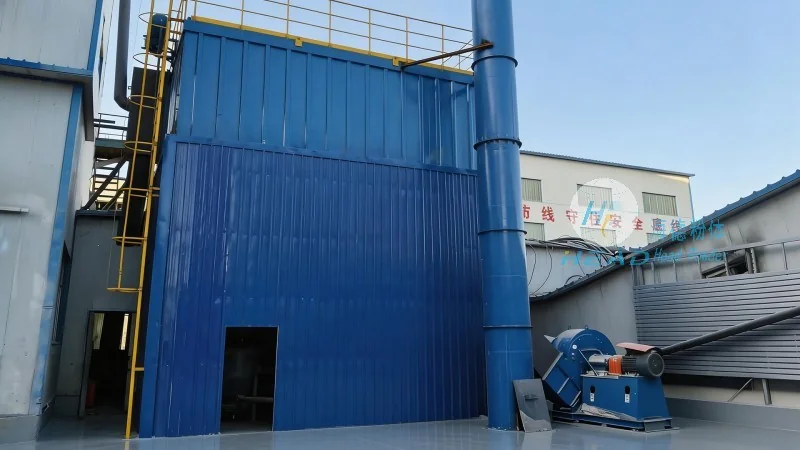
Red mud powder conveying systems are widely used in various industrial settings, particularly in the aluminum industry. These systems are typically deployed in large-scale aluminum production plants where red mud is generated in significant quantities. For example, a major aluminum producer in China utilizes a pneumatic conveying system designed by Shandong HeadPowder Engineering Co., Ltd. to transport red mud from the processing plant to a nearby disposal site. The system has been in operation for over five years, demonstrating high reliability and efficiency. The company reported a 20% reduction in operational costs and a significant improvement in safety due to the automated and sealed design of the system. Another application is in the recycling of red mud, where the system is used to transport the material to a facility where it is processed into construction materials. This application has shown that red mud can be a valuable resource when handled efficiently, and the conveying system plays a crucial role in this process.
Conclusion and Future Developments
In conclusion, the red mud powder conveying system is a critical component in the management of red mud, a byproduct of the aluminum industry. The design principles, including material selection, moisture control, sealing, and maintenance, are essential for ensuring the system's effectiveness and longevity. Shandong HeadPowder Engineering Co., Ltd. has been at the forefront of developing advanced systems that meet these requirements, providing reliable and efficient solutions for red mud handling. As the aluminum industry continues to grow, the demand for effective red mud conveying systems will increase, driving further innovation in design and technology. Future developments may focus on more sustainable materials, improved energy efficiency, and enhanced automation, further optimizing the performance of these systems. The continued advancement of red mud powder conveying systems will play a vital role in addressing the challenges of red mud disposal and utilization, contributing to a more sustainable aluminum industry.