

What is a Clay Powder Conveying System and Its Design Principles?
Clay powder conveying systems are essential in industrial processes where the efficient and reliable transport of clay powders is critical. These systems are designed to handle the unique properties of clay, such as its fine particle size, cohesive nature, and tendency to agglomerate. Understanding the functionality and design principles of such systems is crucial for optimizing material handling in various applications.
About HeadPowder Engineering Co., Ltd.
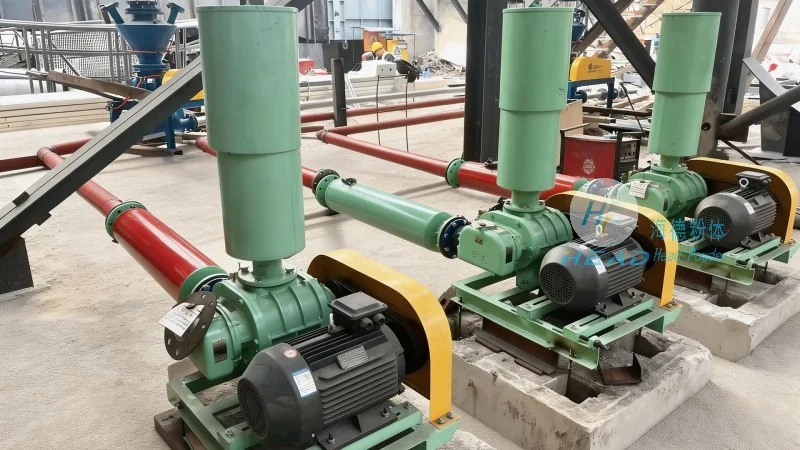
HeadPowder Engineering Co., Ltd., a leading provider in the field, specializes in the development and implementation of advanced powder handling solutions. With a strong presence in Shandong, China, the company leverages decades of expertise to deliver tailored conveying systems that meet the specific demands of clients across different industries. The company's commitment to quality and innovation ensures that its products are built to withstand the rigorous conditions of industrial environments.
Overview of Clay Powder Conveying Systems
A clay powder conveying system is a comprehensive setup that facilitates the movement of clay powders from a source to a destination. These systems are typically composed of several key components, including feeders, conveyors, and control mechanisms. The primary goal is to ensure that the clay powder is transported without degradation, clogging, or loss of material. The design of these systems must account for the physical and chemical characteristics of clay, which can vary significantly depending on the source and processing conditions.
Key Design Principles for Efficient Conveying
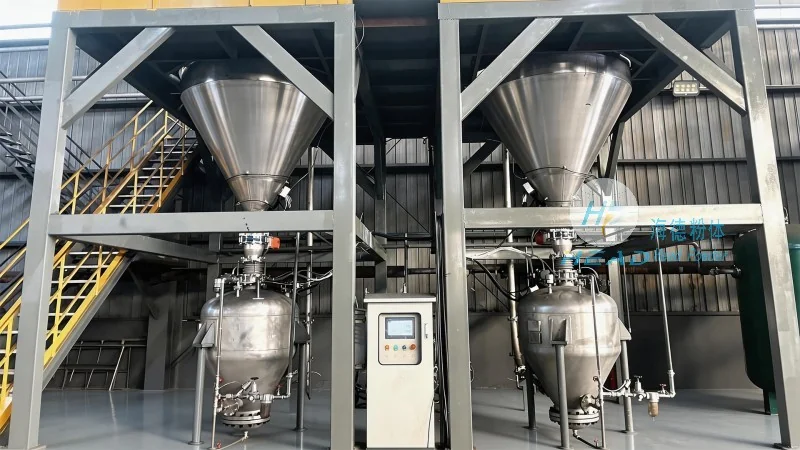
The design of a clay powder conveying system is governed by several fundamental principles aimed at maximizing efficiency and reliability. One of the most critical aspects is the selection of appropriate conveying methods, such as pneumatic or mechanical systems. Pneumatic conveying, for instance, uses air to transport the powder, which is particularly effective for fine powders like clay. This method minimizes the risk of material degradation and clogging compared to mechanical systems. Another key principle is the consideration of material flow characteristics. Clay powders often exhibit cohesive behavior, which can lead to blockages if not properly managed. Therefore, the design incorporates features like vibration, air agitation, or special hopper designs to prevent agglomeration and ensure smooth flow.
Component Integration and Control Systems
The effectiveness of a clay powder conveying system relies heavily on the integration of its components and the implementation of robust control systems. Feeders, such as rotary or vibratory feeders, are used to regulate the flow rate of the clay powder from the source. These feeders are designed to handle the varying bulk density and flowability of clay, ensuring a consistent feed to the conveyor. The conveyor itself, whether a belt or a pneumatic line, must be capable of handling the specific characteristics of the powder. For example, pneumatic conveyors use high-pressure air to move the powder through a pipeline, while mechanical conveyors rely on belts or screws to transport the material. Control systems, including sensors and automation, monitor the flow rate, pressure, and other parameters to maintain optimal operation and prevent issues like overloading or underflow.

Application-Specific Considerations
While the core design principles remain consistent, clay powder conveying systems are often customized to meet the specific requirements of different applications. For instance, in the ceramics industry, where high-purity clay is essential, the system must ensure minimal contamination and maintain the powder's quality. In the construction industry, where bulk clay is used for building materials, the system may prioritize high throughput and durability. The choice of materials for the system components, such as stainless steel or specialized plastics, also plays a crucial role in preventing corrosion and material interaction. Additionally, the system's scalability is important, as it may need to accommodate varying production volumes and process changes over time.
Advantages of Advanced Clay Powder Conveying Systems
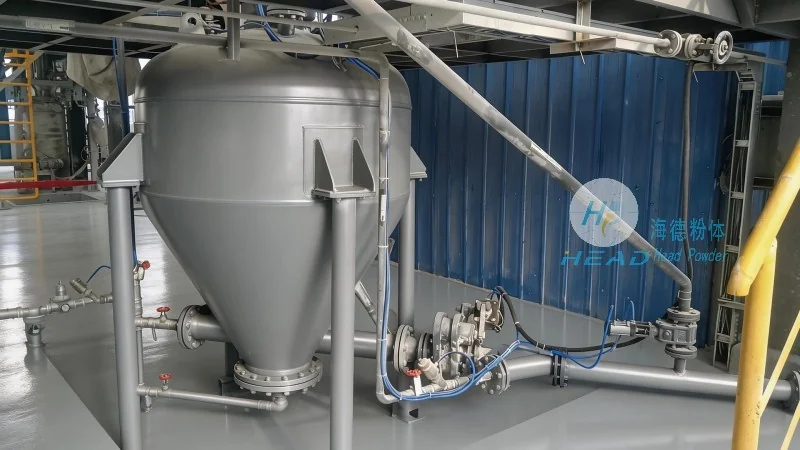
Modern clay powder conveying systems offer several advantages over traditional methods. These include improved efficiency in material handling, reduced labor costs, and enhanced safety in the workplace. The use of automated control systems minimizes human intervention, reducing the risk of errors and accidents. Furthermore, advanced systems can provide real-time monitoring and data analysis, allowing for predictive maintenance and proactive problem-solving. This not only improves operational efficiency but also extends the lifespan of the equipment. The ability to handle a wide range of clay types and particle sizes also makes these systems versatile and adaptable to various industrial needs.
Conclusion
In conclusion, clay powder conveying systems are sophisticated industrial solutions that combine advanced engineering principles with practical application. The design of these systems is tailored to address the unique challenges posed by clay powders, ensuring efficient and reliable transport. Companies like Shandong HeadPowder Engineering Co., Ltd. play a vital role in developing and implementing such systems, providing customized solutions that meet the specific needs of their clients. By understanding the design principles and components of these systems, industries can optimize their material handling processes, improve productivity, and enhance overall operational efficiency.