

Anhydrous Sodium Sulfate Pneumatic Conveying Machine: What It Is and Its Design Principles
For industries dealing with bulk materials like anhydrous sodium sulfate, efficient and reliable material handling is crucial. The anhydrous sodium sulfate pneumatic conveying machine has emerged as a key solution, offering a method to transport this chemical efficiently. This equipment is designed to handle the specific properties of anhydrous sodium sulfate, ensuring safe and effective material movement within industrial settings.
Understanding Pneumatic Conveying Technology
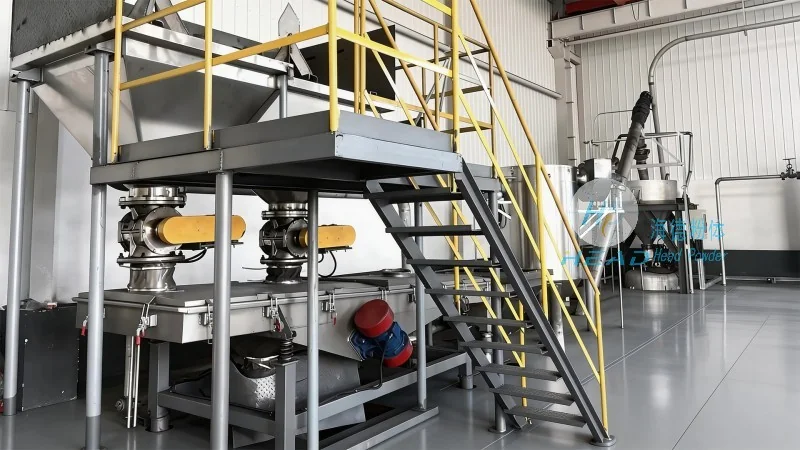
Pneumatic conveying is a process that uses air or gas to transport bulk materials through a pipeline system. Unlike traditional mechanical conveyors, this method eliminates the need for moving parts in contact with the material, reducing wear and maintenance. The system typically consists of a hopper, a blower, and a pipeline network. When the material is introduced into the hopper, it is then drawn into the pipeline by the force of the air flow, moving it to the desired destination. This technology is particularly advantageous for materials that are dusty, abrasive, or require a hygienic handling environment, making it ideal for anhydrous sodium sulfate, which is often used in chemical and pharmaceutical applications.
The Design Principles of Anhydrous Sodium Sulfate Pneumatic Conveying Machines
The design of an anhydrous sodium sulfate pneumatic conveying machine is tailored to the characteristics of the material being transported. Several key principles guide the engineering of such equipment. First, the system must be capable of handling the density and flow properties of anhydrous sodium sulfate. The material's density affects the air velocity required to move it through the pipeline, and the flow characteristics determine the size and shape of the hopper and pipeline components. Second, the equipment must ensure minimal material degradation. Since anhydrous sodium sulfate is used in various industrial processes, maintaining its purity and quality is essential. The design incorporates features like smooth internal surfaces and appropriate air flow rates to prevent particle breakage or contamination. Third, the system must be designed for safety and compliance with industrial standards. This includes proper ventilation to manage dust, explosion-proof components if necessary, and adherence to local regulations regarding material handling. The engineering team at Shandong HeadPowder Engineering Co., Ltd. specializes in creating customized solutions that address these principles, ensuring the machine is both efficient and safe for operation.
Key Components and Their Functions
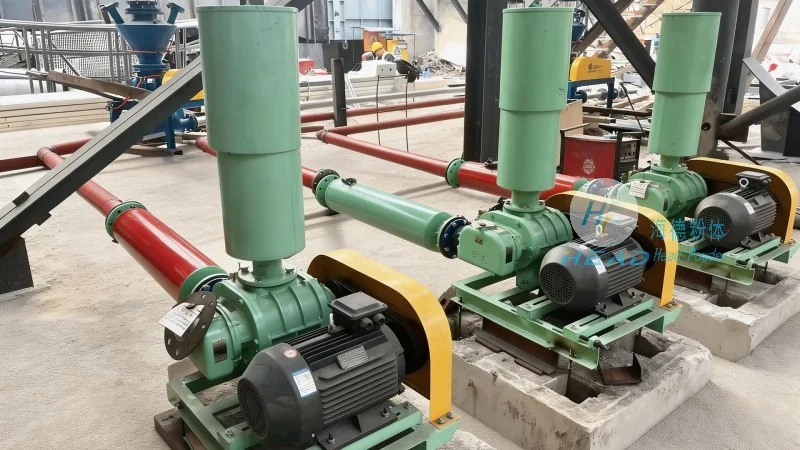
An anhydrous sodium sulfate pneumatic conveying machine consists of several critical components, each playing a vital role in the overall operation. The hopper is the initial storage and feeding unit, where the material is loaded and prepared for transport. It is typically equipped with a feeder, such as a rotary valve or a vibratory feeder, to control the flow rate of the material into the pipeline. The blower or air compressor provides the necessary air pressure to move the material through the system. The air velocity must be carefully calculated to ensure the material is carried without causing excessive wear on the pipeline or components. The pipeline network connects the hopper to the discharge point, with bends and fittings designed to minimize pressure loss and maintain consistent air flow. The discharge unit, often a rotary valve or a venturi, controls the release of the material at the destination. Each component is selected based on the specific requirements of anhydrous sodium sulfate, ensuring optimal performance and longevity.
Benefits of Using Anhydrous Sodium Sulfate Pneumatic Conveying Machines
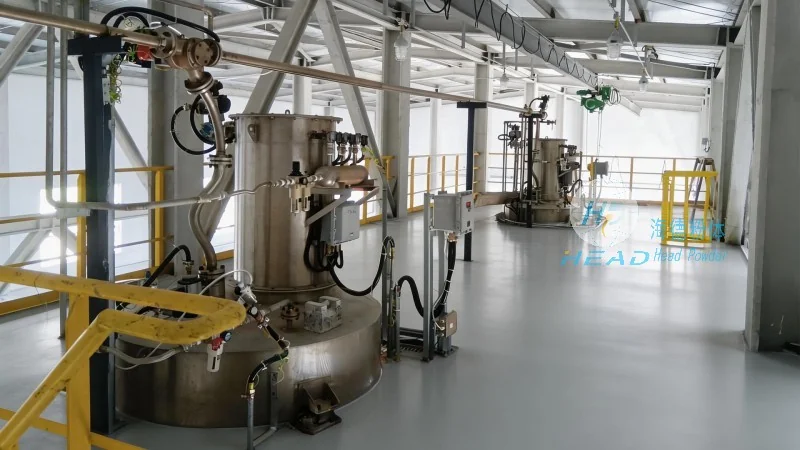
Implementing an anhydrous sodium sulfate pneumatic conveying machine offers numerous benefits for industrial operations. One of the primary advantages is the reduction in labor costs and manual handling. The automated system minimizes the need for workers to handle bulk material, reducing the risk of accidents and injuries. Additionally, the equipment enhances process efficiency by providing a continuous and consistent flow of material, which is crucial for maintaining production rates. The system also improves material quality by preventing contamination and degradation, which is essential for applications where anhydrous sodium sulfate is used as a raw material. Another benefit is the space-saving design, as the pneumatic conveying system can be installed in a compact footprint compared to traditional conveyor systems. This is particularly advantageous in facilities with limited space. Furthermore, the system is highly adaptable, allowing for changes in material flow rates or destinations without significant modifications. The durability and low maintenance requirements of the equipment also contribute to long-term cost savings. Overall, the anhydrous sodium sulfate pneumatic conveying machine is a reliable and efficient solution for material handling in various industrial sectors.
Customization and Application in Different Industries
Shandong HeadPowder Engineering Co., Ltd. specializes in designing and manufacturing customized anhydrous sodium sulfate pneumatic conveying machines to meet the specific needs of different industries. The company, commonly known as HeadPowder, has extensive experience in the engineering and application of bulk material handling systems. Their expertise allows them to tailor the equipment to the unique requirements of each client, ensuring optimal performance and compliance with industry standards. The applications of anhydrous sodium sulfate pneumatic conveying machines span across various sectors, including chemical manufacturing, pharmaceutical production, and food processing. In chemical manufacturing, the machine is used to transport anhydrous sodium sulfate to reactors or storage tanks, ensuring a steady supply of raw material. In pharmaceutical production, the equipment is employed to handle the material in a sterile and hygienic environment, maintaining the quality of the final product. In food processing, the system is used to transport anhydrous sodium sulfate for use in food additives or processing aids. The customization options include different material capacities, air flow rates, and pipeline configurations, allowing the machine to be adapted to various production scales and operational conditions. The company's commitment to quality and customer satisfaction ensures that each machine is built to meet the highest standards, providing reliable and efficient service for years to come.