

What is a Lightweight Cement Pneumatic Conveying System? What are its Design Principles?
Lightweight cement pneumatic conveying systems are advanced industrial equipment designed to efficiently transport cement and similar powders through an air-driven mechanism. These systems are widely used in construction, manufacturing, and material handling industries due to their ability to handle fine powders with minimal dust and high efficiency. Understanding the core components and design principles of such systems is crucial for optimizing material transport processes and ensuring operational reliability.
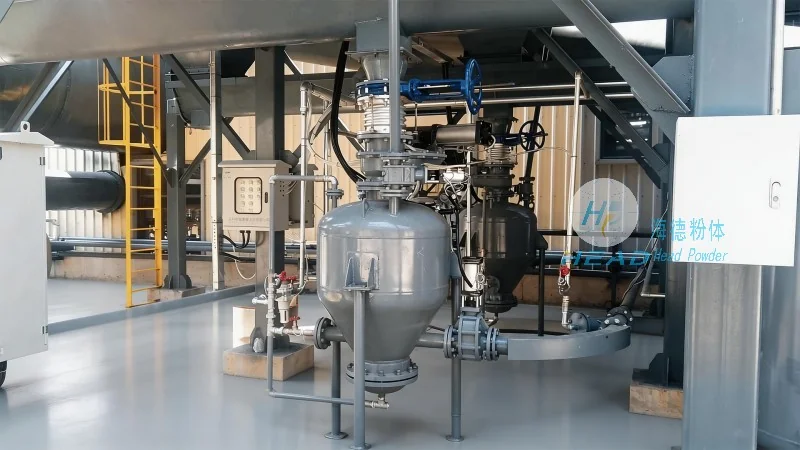
Key Components of a Lightweight Cement Pneumatic Conveying System
The system typically consists of several essential components that work in tandem to achieve effective material transport. The primary components include a hopper for material storage, a blower or air compressor to generate the necessary air pressure, a pipeline network for conveying the material, and a receiver or discharge unit for the final material collection. Each component plays a critical role in the overall functionality of the system. The hopper ensures a consistent feed of cement, while the blower provides the motive force by creating a pressure differential that propels the material through the pipeline. The pipeline network, often made of durable materials like stainless steel or PVC, is designed to withstand the abrasive nature of cement and maintain air-tight integrity. The receiver or discharge unit then collects the material at the destination, completing the transport cycle.
Design Principles and Operational Mechanics
The design principles of lightweight cement pneumatic conveying systems are centered on optimizing air flow, material handling efficiency, and system durability. The system operates on the principle of pneumatic transport, where the material is suspended in a stream of air and transported through the pipeline. This method is particularly effective for handling fine powders like cement, which are prone to dust and caking if not transported properly. The design focuses on maintaining a consistent air velocity to prevent material settling or blockages in the pipeline. Key design considerations include the air-to-material ratio, which determines the optimal air flow rate relative to the material being conveyed. A higher air-to-material ratio ensures better suspension and reduces the risk of pipeline blockages, while a lower ratio may be used for longer transport distances or when handling more cohesive materials. Additionally, the system incorporates features such as air filters and cyclone separators to prevent dust accumulation and maintain air quality, ensuring compliance with environmental regulations and operational safety standards.
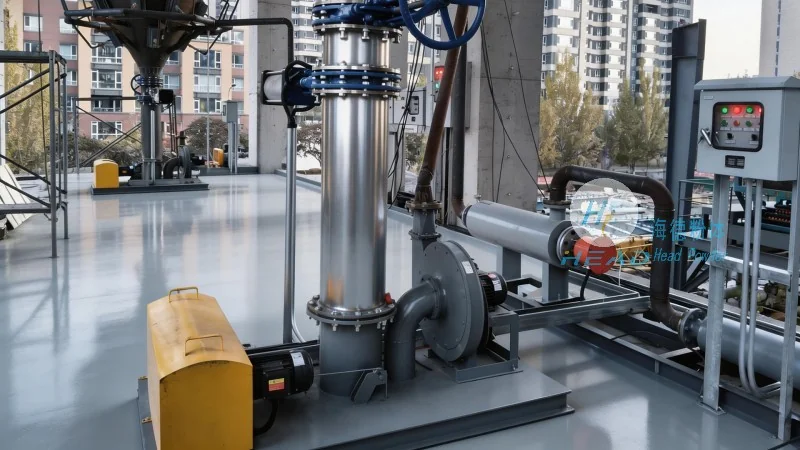
Advantages of Using Lightweight Cement Pneumatic Conveying Systems
Lightweight cement pneumatic conveying systems offer several advantages over traditional mechanical conveying methods. One of the primary benefits is the reduction in dust generation, which is a significant concern in cement handling operations. The enclosed system design minimizes exposure to airborne particles, improving workplace safety and reducing the need for extensive dust control measures. Additionally, these systems are highly efficient in terms of energy consumption, as they use air as the primary motive force, which is often more energy-efficient than mechanical systems that rely on motors and belts. The compact design of the equipment also allows for easier integration into existing industrial setups, making it suitable for both new installations and retrofit applications. Furthermore, the systems provide consistent material flow rates, which is crucial for maintaining production line stability and meeting quality control standards. The ability to handle fine powders without clogging or degradation also enhances the overall quality of the transported material, ensuring that the cement remains in its optimal state for subsequent processing or use.

Applications and Industries
Lightweight cement pneumatic conveying systems are widely applied in various industries where cement and other fine powders need to be transported efficiently. In the construction industry, these systems are used for transporting cement from storage silos to mixing plants or job sites, ensuring a continuous supply of material without interruptions. The manufacturing sector, particularly in the production of concrete products, utilizes these systems to transport raw materials to production lines, improving production efficiency and reducing downtime. Additionally, in the chemical and pharmaceutical industries, similar pneumatic conveying systems are used to handle powders that require careful handling to maintain purity and quality. The versatility of the system makes it suitable for a wide range of applications, from small-scale operations to large industrial facilities.
Company Overview: Shandong HeadPowder Engineering Co., Ltd.
Shandong HeadPowder Engineering Co., Ltd., commonly known as HeadPowder, is a leading manufacturer and supplier of advanced material handling equipment, including lightweight cement pneumatic conveying systems. With a strong focus on innovation and quality, the company has established itself as a trusted partner in the industrial equipment sector. HeadPowder's products are designed to meet the specific needs of various industries, ensuring high performance, durability, and reliability. The company's commitment to customer satisfaction and technical excellence has earned it a reputation for delivering top-tier solutions that enhance operational efficiency and reduce costs for clients. HeadPowder's facilities are located in Shandong, China, where the company leverages advanced manufacturing technologies and skilled workforce to produce high-quality equipment that meets international standards.