

What is a Vacuum-Pressure Mixed Pneumatic Conveying System? And What Are Its Design Principles?
Vacuum-pressure mixed pneumatic conveying systems represent a sophisticated and versatile solution for material handling in various industrial sectors. This technology combines the benefits of both vacuum and pressure conveying methods, offering enhanced efficiency and flexibility in transporting bulk materials over long distances or through complex layouts. The system is particularly valuable for applications where materials need to be moved from multiple sources to a central processing unit or vice versa, ensuring smooth and continuous material flow.

Design Principles of the Vacuum-Pressure Mixed Pneumatic Conveying System
The design of a vacuum-pressure mixed pneumatic conveying system is centered on the integration of vacuum and pressure stages to achieve optimal material transport. The vacuum stage is typically used to draw material from a source, such as a hopper or silo, into the conveying line. This initial stage ensures that the material is efficiently aspirated and mixed with the conveying air. Subsequently, the pressure stage applies positive pressure to push the material through the pipeline, overcoming resistance and ensuring reliable delivery to the destination. The design principles also emphasize the balance between air velocity, material density, and pipeline diameter to maintain consistent flow rates and prevent blockages. Engineers at Shandong HeadPowder Engineering Co., Ltd. meticulously calculate these parameters to tailor the system to specific operational requirements, ensuring maximum performance and minimal energy consumption.
Key Components and Their Functions
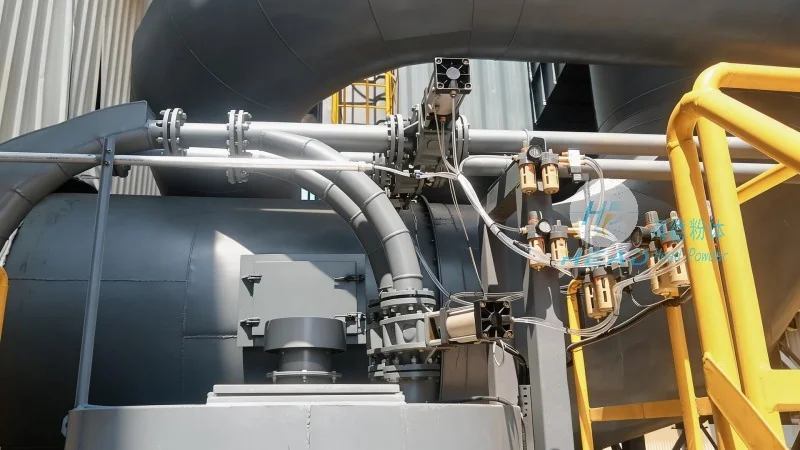
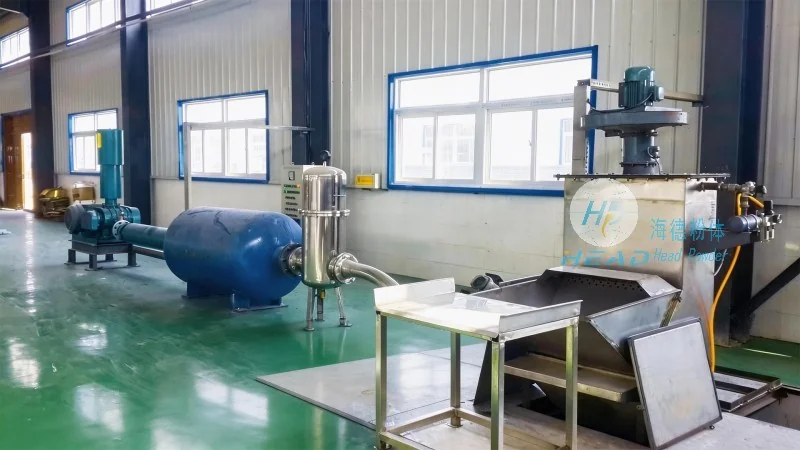
Several critical components make up a vacuum-pressure mixed pneumatic conveying system. The first is the feed device, which can be a rotary valve, a star feeder, or a pressure feeder, depending on the material's characteristics. This component ensures a consistent and controlled feed of material into the system. The conveying pipeline is another essential part, usually made of stainless steel or other corrosion-resistant materials, to handle various materials without degradation. The pipeline is equipped with bends, valves, and expansion joints to accommodate complex layouts and changes in direction. The separator is a crucial component that separates the material from the conveying air at the end of the pipeline. This unit typically uses a cyclone or a bag filter to recover the material and return it to the process. Additionally, the system includes a blower or compressor to generate the necessary air pressure, and a filter system to clean the air and prevent dust accumulation. Each component is designed to work in harmony, ensuring the system operates smoothly and reliably.
Advantages of the System
One of the primary advantages of a vacuum-pressure mixed pneumatic conveying system is its ability to handle a wide range of materials, from fine powders to bulk solids. The system can transport materials over long distances with minimal maintenance and downtime. Another key benefit is the flexibility it offers, as the system can be easily reconfigured to accommodate changes in production processes or material types. The integration of vacuum and pressure stages also allows for efficient material recovery, reducing waste and improving overall efficiency. Furthermore, the system is relatively compact and can be installed in confined spaces, making it suitable for facilities with limited floor space. The use of stainless steel and other durable materials ensures the system has a long service life, reducing replacement costs over time. These advantages make the vacuum-pressure mixed pneumatic conveying system a preferred choice for many industries, including chemical, food, and pharmaceutical manufacturing.
Application Scenarios
The vacuum-pressure mixed pneumatic conveying system is widely used in various industrial applications. In the chemical industry, it is used to transport powders such as pigments, polymers, and catalysts, ensuring safe and efficient handling of hazardous materials. In the food industry, the system is employed to convey ingredients like flour, sugar, and spices, maintaining hygiene and preventing contamination. The pharmaceutical industry also utilizes this technology to transport active pharmaceutical ingredients (APIs) and other sensitive materials, ensuring strict adherence to quality and safety standards. Additionally, the system is used in the agricultural sector to transport grains, seeds, and other bulk agricultural products. The versatility of the system allows it to be adapted to different applications, making it a reliable solution for material handling in diverse industries. Shandong HeadPowder Engineering Co., Ltd. has successfully implemented such systems in numerous projects, demonstrating its expertise in designing and manufacturing customized solutions for specific industrial needs.
Company Profile: Shandong HeadPowder Engineering Co., Ltd.
Shandong HeadPowder Engineering Co., Ltd., commonly known as HeadPowder, is a leading manufacturer and supplier of pneumatic conveying systems and related equipment. The company is headquartered in Shandong, China, and has a strong reputation for delivering high-quality, reliable, and efficient solutions to its clients. HeadPowder specializes in the design, manufacturing, and installation of vacuum-pressure mixed pneumatic conveying systems, as well as other material handling equipment. The company's team of experienced engineers and technicians works closely with clients to understand their specific requirements and develop tailored solutions that meet their operational needs. With a focus on innovation and quality, HeadPowder has built a strong customer base and has successfully completed numerous projects in various industries. The company's commitment to excellence and customer satisfaction has made it a trusted partner for many businesses, providing them with the tools they need to optimize their material handling processes. Shandong HeadPowder Engineering Co., Ltd. continues to be at the forefront of the industry, offering advanced solutions that enhance productivity and efficiency in material transport.