

Operation Process and Working Principle of Fine Powder Pneumatic Conveying Equipment
HeadPowder, a leading manufacturer based in Shandong, China, specializes in the design and production of fine powder pneumatic conveying systems. These systems are essential for efficiently transporting fine powders, such as cement, flour, and other dry materials, in industrial applications. The operation process and working principle of these equipment are crucial for understanding their functionality and optimizing performance in various production lines.
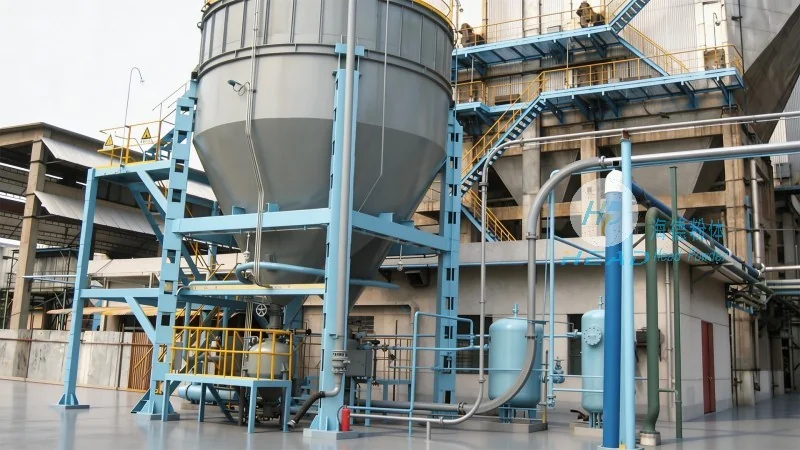
Key Components of Pneumatic Conveying Systems
At the core of fine powder pneumatic conveying equipment are several key components that work in tandem to ensure smooth material transport. The main components include the hopper, which holds the material to be conveyed; the air compressor or blower, which generates the necessary airflow; the conveying line, typically made of flexible or rigid tubing; and the receiver, where the material is deposited. Each component plays a vital role in the overall system, and their proper integration is essential for efficient operation.
The Working Principle of Pneumatic Conveying
The working principle of fine powder pneumatic conveying equipment relies on the use of air to move dry materials through a pipeline. The process begins with the material being fed into the hopper. As the air compressor or blower operates, it generates a high-pressure airflow that draws the fine powder particles into the conveying line. The air and powder mixture travels through the pipeline, with the air providing the necessary force to transport the material. The receiver at the end of the line collects the material as the air is filtered and discharged, ensuring that only the material reaches the destination.
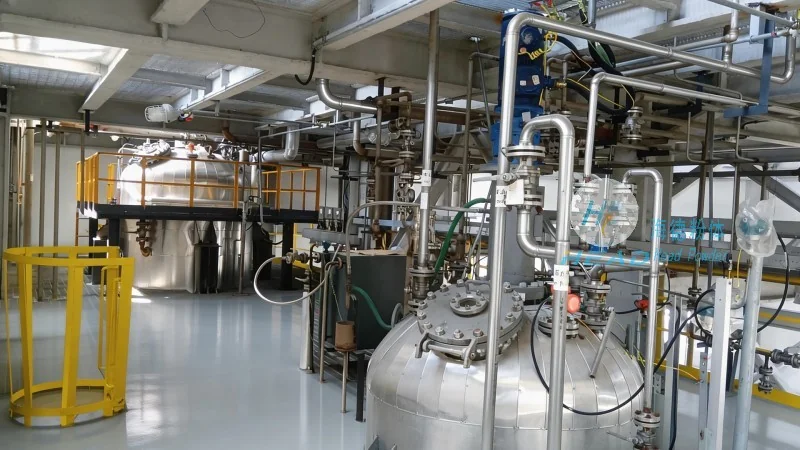
Operation Process: Step-by-Step Guide
The operation process of fine powder pneumatic conveying equipment involves several sequential steps that ensure consistent and reliable material transport. First, the material is loaded into the hopper, and the system is started by activating the air compressor. The air flow is then adjusted to the appropriate pressure and volume to match the material characteristics and conveying distance. As the material is drawn into the conveying line, it moves through the pipeline to the receiver. The system continuously monitors the airflow and material flow to maintain optimal performance, with adjustments made as needed to prevent blockages or inefficiencies.

Advantages of Fine Powder Pneumatic Conveying
Using fine powder pneumatic conveying equipment offers several advantages over traditional methods like belt conveyors or bucket elevators. These systems are highly efficient in terms of energy consumption and material handling, as they eliminate the need for mechanical parts that can cause wear and tear. Additionally, pneumatic conveying systems are suitable for transporting materials that are sensitive to moisture or contamination, as the enclosed pipeline prevents exposure to the environment. The flexibility of the system allows for easy integration into existing production lines, and the ability to transport materials over long distances without intermediate storage makes it a preferred choice for many industries.
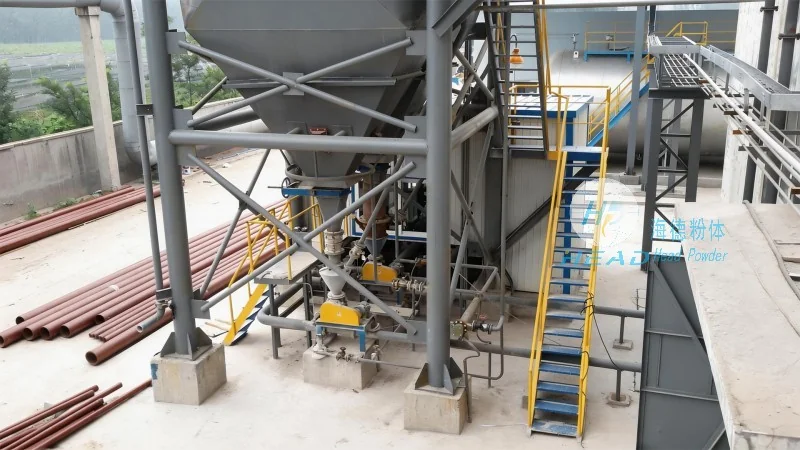
Applications in Industrial Settings
Fine powder pneumatic conveying equipment is widely used in various industrial sectors, including food processing, pharmaceuticals, and construction. In the food industry, these systems are used to transport flour, sugar, and other dry ingredients, ensuring that the materials remain fresh and free from contamination. In the pharmaceutical industry, the enclosed nature of the system is crucial for maintaining the purity of the materials, as any exposure to the environment can compromise product quality. In the construction industry, fine powder pneumatic conveying is used to transport cement and other dry materials to different parts of a building site, improving efficiency and reducing labor costs.
Maintenance and Troubleshooting
To ensure the long-term performance of fine powder pneumatic conveying equipment, regular maintenance is essential. This includes cleaning the hopper and conveying line to prevent material buildup, checking the air compressor for proper operation, and inspecting the filters for clogging. Common issues that may arise include blockages in the pipeline, which can be caused by material agglomeration or incorrect air flow. Troubleshooting these issues involves checking the air pressure, adjusting the material feed rate, and ensuring that the system is properly sealed to prevent air leaks. By addressing these issues promptly, the system can maintain its efficiency and avoid costly downtime.