

Operation Process and Working Principle of River Sand Pneumatic Conveying Machine
HeadPowder, a leading manufacturer based in Shandong, China, specializes in the design and production of pneumatic conveying systems tailored for various industrial applications, including the efficient handling of river sand. This article provides a detailed overview of the operation process and working principles of river sand pneumatic conveying machines, highlighting the key components, operational steps, and technical advantages that make these systems reliable and efficient in material transport.
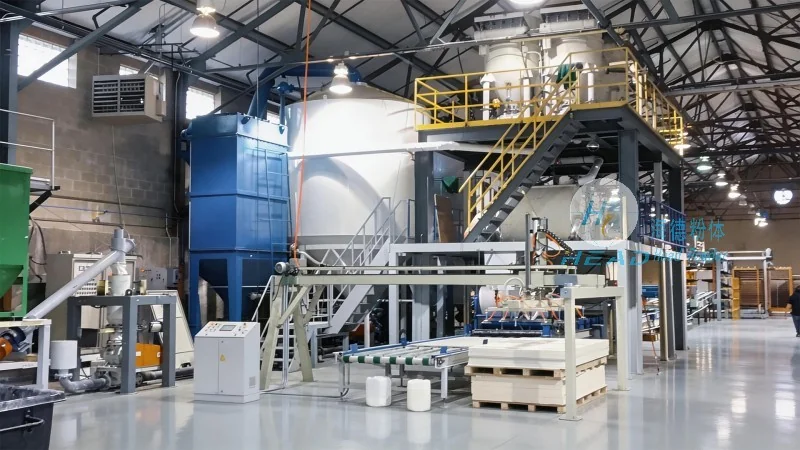
Key Components of a River Sand Pneumatic Conveying System
A typical river sand pneumatic conveying machine consists of several essential components that work in tandem to achieve effective material transport. The main parts include a hopper for sand storage, a blower or air compressor to generate the necessary airflow, a pipeline system to carry the sand and air mixture, a separator to separate the sand from the air, and a collection tank or discharge point. Each component plays a critical role in ensuring the smooth and efficient operation of the system.
Working Principle of Pneumatic Conveying for River Sand
The working principle of a river sand pneumatic conveying machine is based on the use of compressed air to transport the sand particles through a pipeline. When the blower starts, it generates a high-pressure airflow that is directed into the hopper. The air then lifts the sand particles and carries them along the pipeline to the discharge point. The separator at the end of the pipeline uses a combination of gravity and air pressure to separate the sand from the air, allowing the sand to be collected in a designated container while the air is either recirculated or released safely.
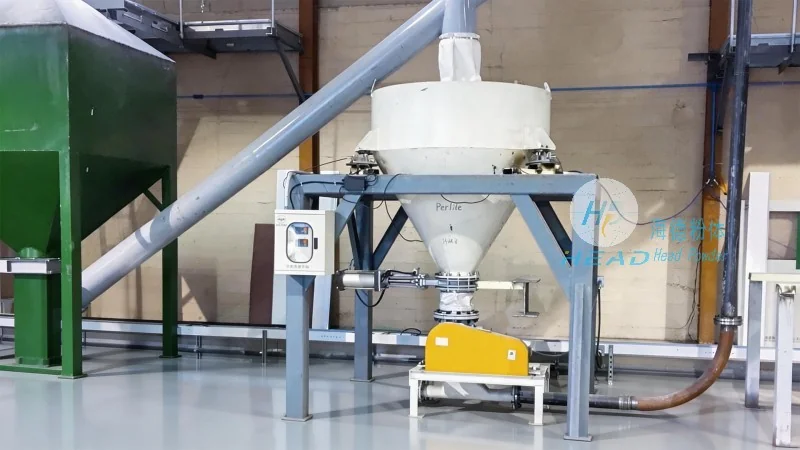
Step-by-Step Operation Process
The operation process of a river sand pneumatic conveying machine involves several sequential steps that ensure optimal performance and minimal downtime. First, the hopper is filled with river sand, and the system is checked for any leaks or obstructions in the pipeline. Next, the blower is started, and the airflow is adjusted to the appropriate pressure and volume to match the sand flow rate. As the sand is fed into the system, it is carried by the air and transported to the discharge point. The separator then separates the sand from the air, and the collected sand is transferred to the next processing stage. Finally, the system is shut down, and the pipeline is cleaned to prevent clogging and maintain efficiency.
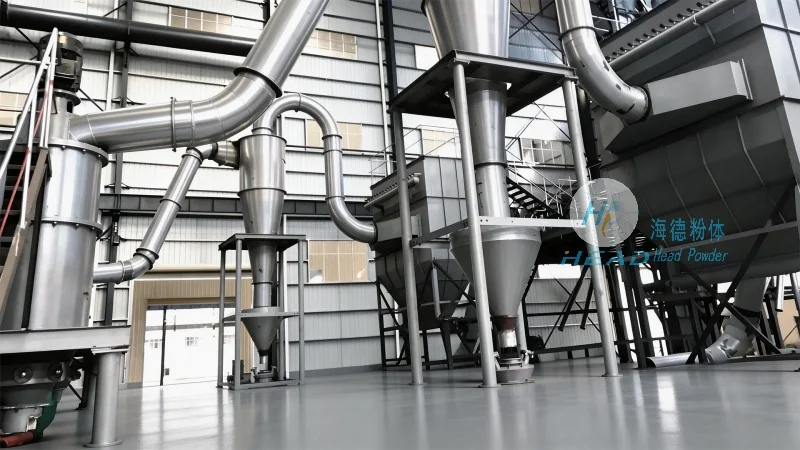
Advantages of Using Pneumatic Conveying for River Sand
Pneumatic conveying systems offer several advantages over traditional mechanical conveying methods for river sand. These include the ability to transport sand over long distances without the need for multiple transfer points, reduced risk of dust contamination and environmental pollution, and lower maintenance costs due to fewer moving parts. Additionally, the system can be easily scaled to accommodate varying sand volumes and can be integrated with other processing equipment for a seamless workflow.
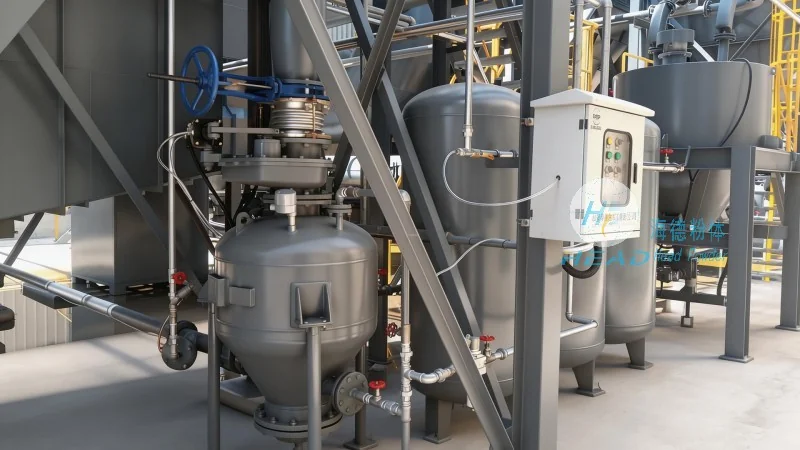
Applications and Industries
River sand pneumatic conveying machines are widely used in various industries, including construction, mining, and manufacturing. In the construction industry, they are used to transport sand from storage facilities to concrete mixing plants or construction sites. In the mining industry, they are used to transport sand from mining sites to processing facilities or storage areas. In manufacturing, they are used to transport sand for use in sandblasting, foundry processes, or other industrial applications.
Conclusion
HeadPowder's river sand pneumatic conveying machines are designed to provide efficient, reliable, and cost-effective solutions for the transport of river sand. By understanding the operation process and working principles of these systems, users can optimize their material handling processes and improve overall productivity. With its commitment to quality and innovation, HeadPowder continues to be a trusted partner for businesses seeking advanced pneumatic conveying solutions.