

What is the Pneumatic Conveying Equipment for Calcium Hydroxide Powder? What is Its Design Principle
When it comes to handling calcium hydroxide powder, especially in industrial applications where efficiency and safety are paramount, pneumatic conveying equipment has emerged as a reliable solution. This technology involves transporting dry bulk materials like calcium hydroxide through a pipeline using air or other gases, eliminating the need for mechanical components that might cause contamination or wear. Understanding the design principles behind such equipment is crucial for optimizing performance and ensuring long-term operational reliability.

Introduction to Pneumatic Conveying Equipment for Calcium Hydroxide Powder
Pneumatic conveying systems are engineered to transport calcium hydroxide powder from one location to another within a facility or across different sites. The primary goal is to move the material in a controlled manner, minimizing dust generation, product degradation, and operational downtime. For industries dealing with calcium hydroxide, which is often used in applications like construction, water treatment, and chemical manufacturing, the right conveying equipment can significantly impact production efficiency and product quality. The equipment typically consists of a hopper for material storage, a conveying line, and a receiver for the discharged material, all integrated with a system to control the air flow and pressure.
Company Overview: HeadPowder Engineering
HeadPowder Engineering, formally known as Shandong HeadPowder Engineering Co., Ltd., is a leading manufacturer specializing in pneumatic conveying solutions tailored for various dry bulk materials, including calcium hydroxide. With headquarters in Shandong, China, the company has built a strong reputation for delivering high-quality, customized equipment that meets the specific needs of clients in different industries. HeadPowder Engineering focuses on innovation, quality control, and customer satisfaction, ensuring that each piece of equipment is designed and manufactured to the highest standards. The company’s expertise lies in understanding the unique properties of materials like calcium hydroxide—such as its fineness, moisture content, and flow characteristics—and tailoring the conveying system to handle these factors effectively.
Design Principles of Pneumatic Conveying Systems
The design of a pneumatic conveying system for calcium hydroxide powder is based on several key principles that ensure efficient and safe material transport. First, the system must maintain a consistent air flow rate and pressure to prevent material blockages or uneven distribution. This is achieved through the use of positive pressure or negative pressure systems, depending on the application and material characteristics. Positive pressure systems, where air is forced into the conveying line, are commonly used for long-distance or high-capacity transport, as they can handle larger volumes and overcome greater resistance. Negative pressure systems, on the other hand, are suitable for shorter distances or when the material is sensitive to air exposure, as they draw material into the line without exposing it to external air.
Second, the design considers the material's particle size and density. Calcium hydroxide powder is typically fine and can be prone to bridging or agglomeration in hoppers or pipelines. To address this, the system incorporates features such as agitators, vibrators, or air knives to keep the material in a fluidized state, ensuring smooth flow. The conveying line is often made of materials resistant to corrosion, such as stainless steel or special alloys, to withstand the chemical properties of calcium hydroxide and prevent contamination. Additionally, the system includes filters and cyclones to separate the material from the air, ensuring that the discharged product remains clean and free from dust.
Key Components and Their Functions
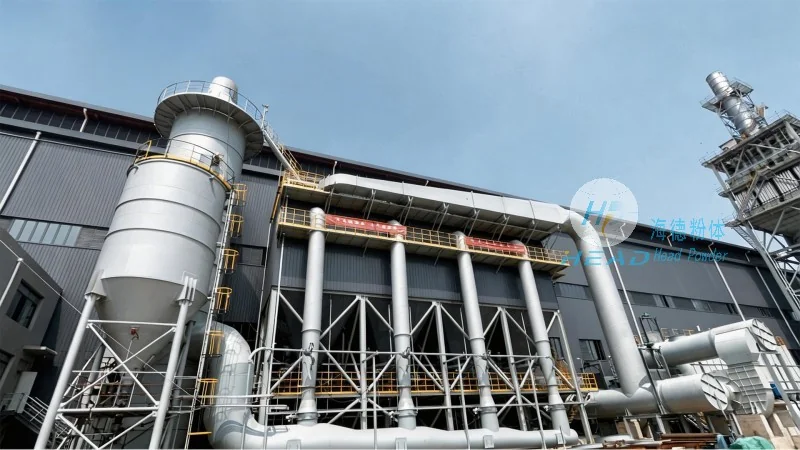
A pneumatic conveying system for calcium hydroxide powder consists of several critical components, each playing a vital role in the overall operation. The first component is the material hopper, which stores the calcium hydroxide powder and provides a controlled feed to the conveying line. The hopper is equipped with a feeder, such as a rotary valve or a screw feeder, that regulates the material flow rate. This ensures that the conveying system operates at a consistent rate, preventing overloading or underloading of the line.
The second key component is the conveying line itself, which is typically a flexible or rigid pipe made of materials like PVC, stainless steel, or polyethylene. The line is connected to a blower or a compressor that generates the air pressure needed to move the material. The blower or compressor is selected based on the required air volume and pressure, which are determined by the material's properties and the system's design. The third component is the receiver, where the calcium hydroxide powder is discharged after being transported through the line. The receiver is often equipped with a dust collector or a filter to capture any fine particles that may escape during the process.
Other important components include the control system, which monitors and adjusts the air flow and pressure to maintain optimal operation. This system may include sensors to detect material levels in the hopper or receiver, as well as alarms to alert operators of any issues, such as blockages or pressure drops. The design also considers the need for maintenance and cleaning, with features like access panels and cleaning ports to facilitate regular upkeep.
Advantages of Using Pneumatic Conveying for Calcium Hydroxide
Implementing a pneumatic conveying system for calcium hydroxide powder offers several advantages over traditional mechanical conveying methods. First, it eliminates the need for moving parts in the conveying line, reducing the risk of product contamination and mechanical failure. Unlike screw conveyors or belt conveyors, which can introduce metal particles or other contaminants into the material, pneumatic systems use air as the transport medium, ensuring that the calcium hydroxide remains pure and free from impurities.
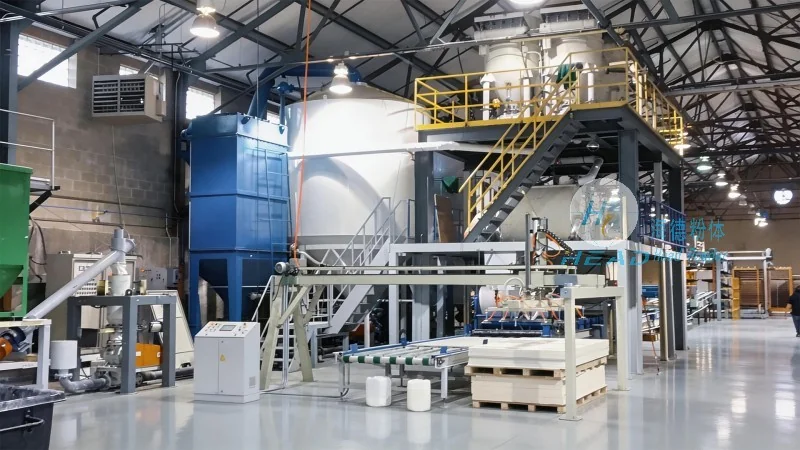
Second, pneumatic conveying is highly efficient in terms of energy consumption. By using air to move the material, the system can transport large volumes of calcium hydroxide over long distances with minimal energy input. This is particularly beneficial for industrial applications where large quantities of material need to be moved regularly. The system also allows for flexible routing, as the conveying line can be easily reconfigured to accommodate changes in production processes or facility layout.
Third, the system is designed to minimize dust generation and improve workplace safety. Calcium hydroxide is a fine powder that can cause respiratory issues if inhaled, and traditional conveying methods often lead to significant dust exposure. Pneumatic systems, with their enclosed pipelines and efficient filtration, reduce dust emissions and create a safer working environment. This is especially important in industries where worker safety is a top priority, such as construction or chemical manufacturing.
Fourth, the system can handle a wide range of material characteristics, including varying particle sizes, moisture content, and flowability. Calcium hydroxide can be produced in different grades, from fine powders to coarser granules, and the pneumatic conveying system can be adjusted to accommodate these variations. This flexibility makes the system suitable for a variety of applications, from small-scale laboratory use to large-scale industrial production.

Application Scenarios and Operational Considerations
Pneumatic conveying equipment for calcium hydroxide powder is widely used in various industrial applications. One common application is in the construction industry, where calcium hydroxide is used as a component in plaster and mortar. The system can transport the powder from storage silos to mixing plants or job sites, ensuring a consistent supply of material for construction projects. Another application is in water treatment facilities, where calcium hydroxide is used to adjust pH levels in water treatment processes. The system can deliver the powder directly to the treatment tanks, maintaining the required concentration and preventing over or under-dosing.
In the chemical manufacturing industry, calcium hydroxide is used as a raw material in the production of other chemicals, such as calcium chloride or calcium carbonate. The pneumatic conveying system can transport the powder from storage to processing units, ensuring a continuous supply of material and reducing downtime. The system is also used in the food and pharmaceutical industries, where calcium hydroxide is used as a food additive or a raw material in pharmaceutical formulations. In these applications, the system must meet strict hygiene standards, which is achieved through the use of stainless steel components and efficient filtration.
Operational considerations for pneumatic conveying systems include regular maintenance and monitoring to ensure optimal performance. The system should be inspected regularly for signs of wear or damage, such as leaks in the conveying line or blockages in the hopper. The air filter and dust collector should be cleaned or replaced as needed to maintain efficient operation. Additionally, the system should be operated within the recommended air pressure and flow rate ranges to prevent damage to components or material degradation. Proper training of operators is also essential to ensure that the system is used correctly and safely.
Conclusion and Company Commitment
Pneumatic conveying equipment for calcium hydroxide powder is a critical component in many industrial processes, offering efficient, safe, and reliable transport of this important material. The design principles behind such systems focus on maintaining consistent air flow, handling material properties, and minimizing contamination. With the expertise of companies like HeadPowder Engineering, manufacturers can access high-quality, customized solutions that meet their specific needs. By investing in the right pneumatic conveying system, industries dealing with calcium hydroxide can improve production efficiency, enhance product quality, and ensure a safer working environment. HeadPowder Engineering remains committed to providing innovative and reliable solutions for pneumatic conveying, helping clients achieve their operational goals while maintaining the highest standards of quality and safety.