

What is an Alumina Particle Pneumatic Conveying Equipment? What are its Design Principles?
Alumina, also known as aluminum oxide, is a widely used industrial material in various sectors such as ceramics, electronics, and chemical processing. The efficient and reliable transportation of alumina particles is crucial for maintaining production efficiency and product quality. Pneumatic conveying equipment has emerged as a key solution for handling these fine or bulk materials, offering advantages like dust-free operation, low maintenance, and the ability to transport materials over long distances. This article will explore the concept of alumina particle pneumatic conveying equipment and delve into its fundamental design principles.
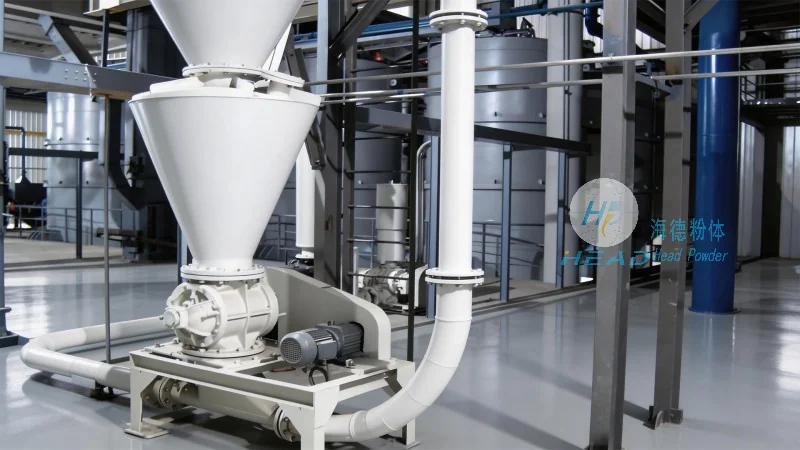
Understanding Alumina Particle Pneumatic Conveying Equipment
Alumina particle pneumatic conveying equipment is a system designed to transport alumina particles through a pipeline using a gas stream, typically air or other suitable gases. The core components of such a system include a material feeder, a conveying line, a gas source (like a blower or compressor), and a control system. The equipment is engineered to handle the specific characteristics of alumina particles, which may vary in size, density, and moisture content. By utilizing pneumatic conveying, the process minimizes the risk of material contamination and reduces the need for manual handling, thereby enhancing operational safety and productivity.
About HeadPowder: A Leading Provider of Pneumatic Conveying Solutions
HeadPowder, or Shandong HeadPowder Engineering Co., Ltd., is a reputable company based in Shandong, China, specializing in the design, manufacturing, and supply of advanced pneumatic conveying equipment. With years of experience in the industry, HeadPowder has developed a comprehensive range of solutions tailored to meet the diverse needs of clients in different industries. The company's commitment to quality, innovation, and customer satisfaction has established it as a trusted partner for businesses seeking reliable material handling solutions. HeadPowder's products are known for their durability, efficiency, and adaptability, ensuring that they can be integrated seamlessly into existing production lines or used as standalone systems.
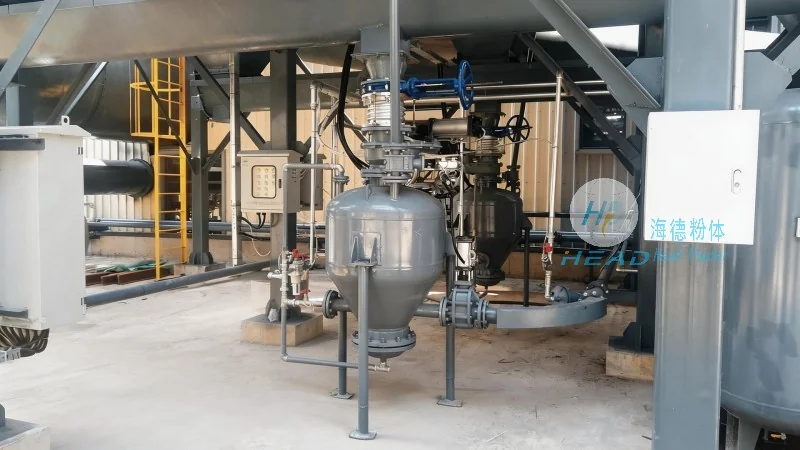
Key Design Principles of Alumina Particle Pneumatic Conveying Equipment
The design of alumina particle pneumatic conveying equipment is based on several critical principles to ensure optimal performance and efficiency. The first principle is the selection of appropriate gas velocity, which must be sufficient to overcome the gravitational and frictional forces acting on the alumina particles while preventing excessive pressure drops and equipment wear. The gas velocity is typically determined by the particle size, density, and the desired conveying distance. Another crucial principle is the proper sizing of the conveying line, including the diameter and length of the pipeline, to maintain a stable flow of particles and minimize the risk of blockages or material degradation. The equipment also incorporates features such as in-line filters and cyclone separators to separate the alumina particles from the gas stream, ensuring that the material is delivered to the destination in a clean and dry state.
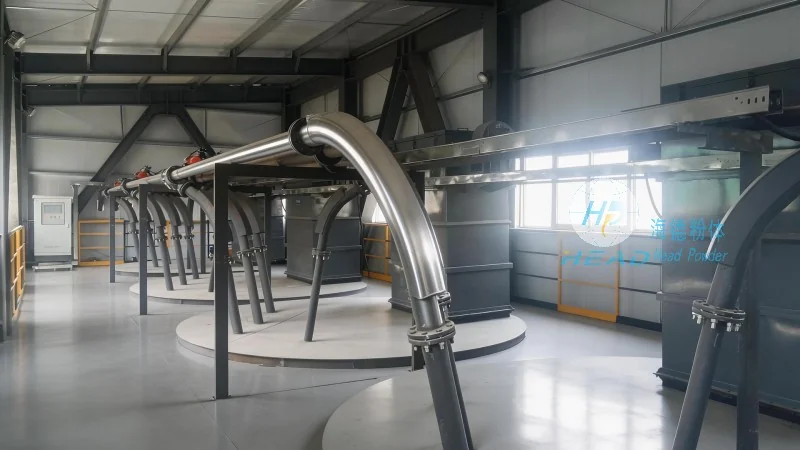
Advantages of Using Pneumatic Conveying for Alumina Particle Transport
Compared to traditional material handling methods like belt conveyors or bucket elevators, pneumatic conveying offers several advantages when transporting alumina particles. One of the primary benefits is the ability to handle fine or dusty materials without generating significant dust emissions, which is essential for maintaining a clean and safe working environment. Additionally, pneumatic conveying systems can transport materials over long distances with minimal loss, making them suitable for large-scale industrial applications. The equipment also allows for easy integration with other production processes, such as mixing, drying, or packaging, by connecting the conveying line to downstream equipment. Furthermore, the system's compact design and low maintenance requirements contribute to cost savings and increased operational efficiency.
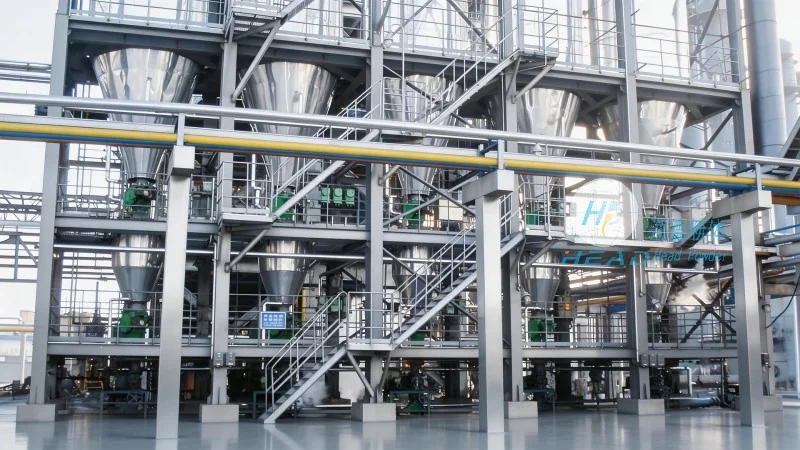
Applications and Industries Served by Alumina Particle Pneumatic Conveying Equipment
Alumina particle pneumatic conveying equipment is widely used in various industries that rely on alumina as a raw material. In the ceramics industry, for example, the equipment is used to transport alumina powders to kilns and other processing equipment, ensuring consistent quality and uniform distribution of the material. In the electronics industry, alumina is used as a substrate for printed circuit boards, and the conveying system helps in the efficient transfer of these materials to manufacturing lines. The chemical processing industry also utilizes alumina in the production of various chemicals, and the pneumatic conveying equipment ensures the safe and reliable transport of these materials. Other industries that benefit from this technology include pharmaceuticals, where alumina is used as an excipient, and the food industry, where it is used as a filler or anti-caking agent. HeadPowder's equipment has been successfully implemented in these industries, providing clients with reliable and efficient material handling solutions.
Conclusion and Future Developments
In conclusion, alumina particle pneumatic conveying equipment is a vital component in modern industrial operations, offering efficient and reliable transportation of alumina particles while maintaining product quality and operational safety. The design principles behind such equipment, including proper gas velocity, line sizing, and filtration systems, are critical to ensuring optimal performance. Companies like HeadPowder play a crucial role in providing these advanced solutions to industries worldwide, helping them to improve their production processes and achieve greater efficiency. As technology continues to advance, we can expect further innovations in pneumatic conveying systems, such as the integration of automation and smart controls, which will further enhance the capabilities and benefits of these systems for the transportation of alumina particles.