

What is Soybean Feed Pneumatic Conveying Equipment? And What Are Its Design Principles?
When it comes to efficient and reliable handling of soybean feed, pneumatic conveying equipment has become an essential solution in the agricultural and food processing industries. This equipment is specifically designed to transport soybean feed from one location to another with minimal human intervention and optimal performance. In this article, we will explore what soybean feed pneumatic conveying equipment is and delve into its underlying design principles that make it a preferred choice for many operations.
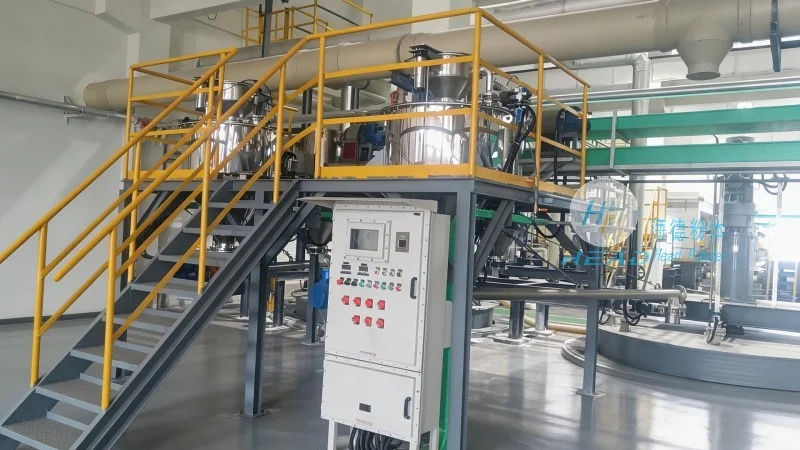
Understanding Soybean Feed Pneumatic Conveying Equipment
At its core, soybean feed pneumatic conveying equipment is a system that uses air to move soybean feed particles through a pipeline. This technology is widely used in feed mills, animal feed production facilities, and agricultural processing plants where the consistent and hygienic transfer of feed ingredients is critical. The equipment is engineered to handle various types of soybean feed, including pellets, meal, and other processed feed components, ensuring that the feed remains intact and free from contamination during the conveying process.
Key Components and Design of the Equipment
The design of soybean feed pneumatic conveying equipment involves several key components that work in tandem to achieve efficient material transport. The primary components include a feeding hopper, an air compressor or blower, a pipeline system, and a discharge outlet. The feeding hopper is responsible for holding the soybean feed and controlling the flow rate into the system. The air compressor generates the necessary air pressure to move the feed particles through the pipeline. The pipeline system, typically made of stainless steel or other corrosion-resistant materials, ensures the feed is conveyed in a hygienic and efficient manner. The discharge outlet is where the feed is released at the destination point.
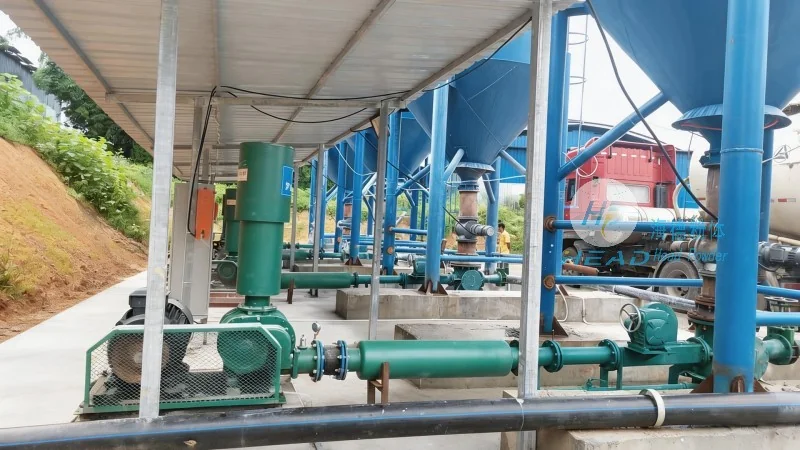
How the Pneumatic Conveying Process Works
The operation of soybean feed pneumatic conveying equipment is based on the principle of air suspension. As air is introduced into the pipeline, it creates a low-pressure environment that lifts the soybean feed particles and carries them along the pipeline. The feed particles are suspended in the air stream and transported to the desired location. This process is often referred to as "air-assisted" or "pressure" conveying, depending on the system design. The design principles focus on optimizing the air flow rate, particle size, and pipeline length to ensure efficient and consistent conveying without causing damage to the feed or the equipment.
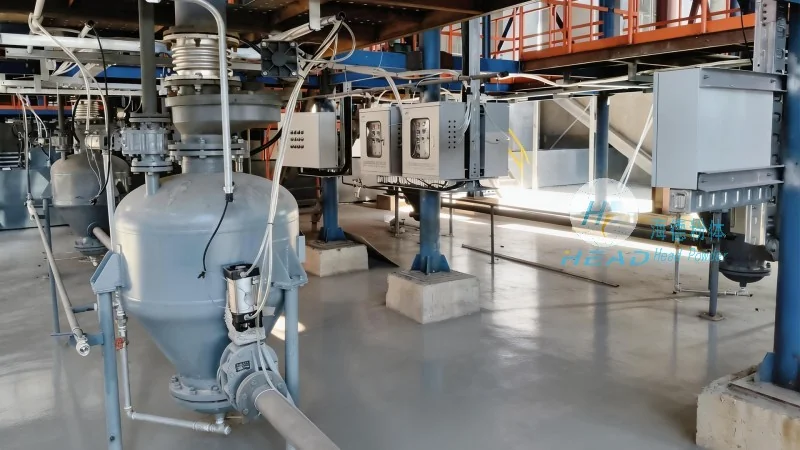
Advantages of Using Soybean Feed Pneumatic Conveying Equipment
There are several advantages to using pneumatic conveying equipment for soybean feed. First, it offers a hygienic and dust-free conveying process, which is crucial for maintaining the quality and safety of the feed. The enclosed pipeline system prevents contamination from external sources and reduces the risk of cross-contamination between different feed batches. Second, the equipment is highly efficient and can transport large volumes of feed over long distances with minimal energy consumption. Third, it is flexible and can be easily integrated into existing feed production lines, allowing for seamless operation and expansion. Additionally, the equipment is low-maintenance and has a long service life, making it a cost-effective solution for feed mills and processing facilities.
Design Principles for Optimal Performance
The design principles of soybean feed pneumatic conveying equipment are critical to its performance and efficiency. Engineers must consider several factors to ensure the system operates at its best. The first principle is the selection of the appropriate air velocity and pressure. The air velocity must be high enough to lift the feed particles but not so high that it causes excessive wear on the pipeline or damage to the feed. The pressure must be sufficient to overcome the resistance in the pipeline and ensure consistent flow. The second principle is the sizing of the pipeline and components. The pipeline diameter and length must be optimized to match the feed flow rate and particle size, ensuring that the system operates within its design limits. The third principle is the use of appropriate materials for the components. Stainless steel is commonly used for the pipeline and hopper due to its corrosion resistance and hygienic properties, which are essential for feed handling. Finally, the design must consider the overall system layout and integration with other equipment, such as feed mixers and storage silos, to ensure smooth and efficient operation.