

Operation Process and Working Principle of Desulfurizer Pneumatic Conveying Lines
Shandong HeadPowder Engineering Co., Ltd., commonly known as HeadPowder, is a professional manufacturer and supplier based in Shandong, China. The company specializes in the design, production, and installation of pneumatic conveying systems, including desulfurizer conveying lines, which are crucial for efficient industrial operations in power plants and other facilities requiring sulfur dioxide removal.
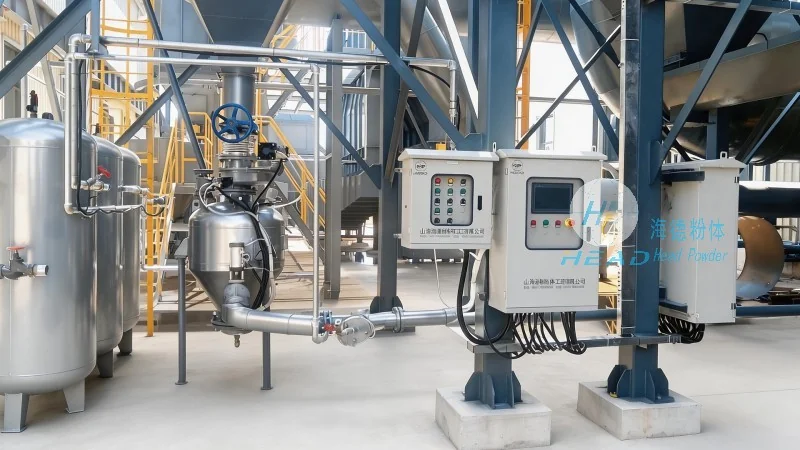
Overview of Desulfurizer Pneumatic Conveying Lines
Desulfurizer pneumatic conveying lines are essential components in industrial processes, particularly in power generation and chemical manufacturing. These systems are designed to transport desulfurizer materials, such as limestone or other reagents, from storage silos to the desulfurization reactors with high efficiency and minimal downtime. The HeadPowder team has developed advanced solutions that ensure reliable material handling while maintaining environmental compliance.
Operation Process of Desulfurizer Pneumatic Conveying Lines
The operation of a desulfurizer pneumatic conveying line involves several key steps. First, the desulfurizer material is stored in a silo or hopper. Then, a feeder system, typically a rotary valve or a screw feeder, meters the material and feeds it into the conveying line. Compressed air or gas is then introduced into the line, creating a flow that propels the material through the pipeline. The conveying line may include bends, vertical sections, and control valves to manage the material's trajectory and pressure. At the destination, the material is discharged into the desulfurization reactor or a storage bin. The entire process is automated, with sensors and control systems monitoring pressure, flow, and material level to ensure smooth operation.

Working Principle of Desulfurizer Pneumatic Conveying Lines
The working principle of these lines is based on the pneumatic conveying technology, which uses air or gas to transport bulk materials. The system operates by creating a pressure differential between the inlet and outlet of the conveying line. When compressed air is introduced, it creates a low-pressure zone that draws the material into the pipeline. The air and material mixture travels through the line, with the air providing the necessary force to move the material. The design of the conveying line, including the size of the pipe, the type of air injection, and the number of bends, is critical to achieving optimal performance. The HeadPowder engineers have optimized these parameters to ensure high conveying efficiency, low energy consumption, and minimal material degradation.
Key Features and Benefits
HeadPowder's desulfurizer pneumatic conveying lines offer several key features and benefits. The systems are designed for high efficiency, with minimal material loss and low energy consumption. The automated control systems ensure reliable operation and reduce the risk of human error. The materials used in the construction of the conveying line are corrosion-resistant and durable, ensuring long service life. Additionally, the systems are equipped with safety features, such as pressure relief valves and emergency shutdown systems, to protect the equipment and personnel. These features make the HeadPowder conveying lines a reliable and cost-effective solution for industrial applications.
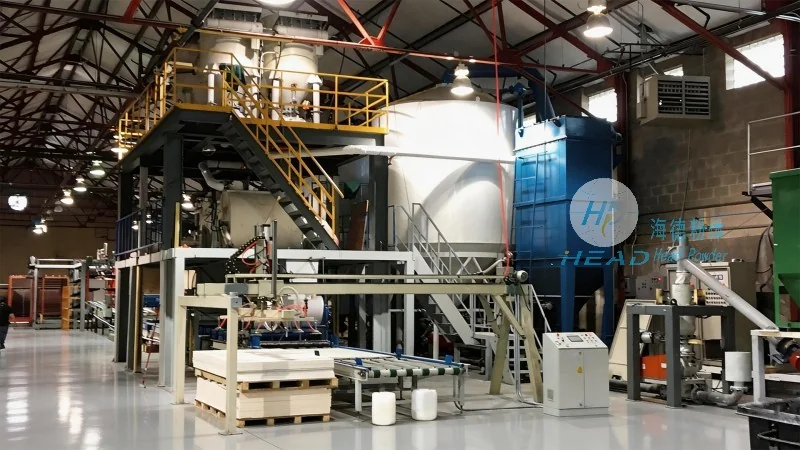
Application Examples
Desulfurizer pneumatic conveying lines are widely used in power plants, chemical factories, and other industrial facilities that require sulfur dioxide removal. For example, in a coal-fired power plant, the desulfurizer material is transported from a storage silo to the desulfurization reactor using a pneumatic conveying line. The system ensures that the material is delivered to the reactor at the correct rate, which is critical for maintaining the efficiency of the desulfurization process. In a chemical manufacturing plant, the conveying line is used to transport limestone to the reactor, where it reacts with sulfuric acid to produce calcium sulfate. The HeadPowder systems have been successfully implemented in these and other applications, providing reliable and efficient material handling solutions.
Conclusion
Desulfurizer pneumatic conveying lines are essential for efficient industrial operations, particularly in power generation and chemical manufacturing. The HeadPowder company has developed advanced solutions that ensure reliable material handling while maintaining environmental compliance. The operation process involves several key steps, including material storage, feeding, conveying, and discharge. The working principle is based on pneumatic transport, using compressed air to move the material through the pipeline. The systems offer several key features and benefits, including high efficiency, low energy consumption, and durability. These solutions are widely used in various industrial applications, providing reliable and cost-effective material handling solutions.