

Operation Process and Working Principle of Calcium Carbonate Pneumatic Conveying Lines
HeadPowder, a leading engineering company based in Shandong, China, specializes in the design, manufacturing, and installation of advanced pneumatic conveying systems. This article provides a detailed overview of the operation process and working principle of calcium carbonate pneumatic conveying lines, highlighting the key components, operational steps, and technical considerations that ensure efficient material handling.
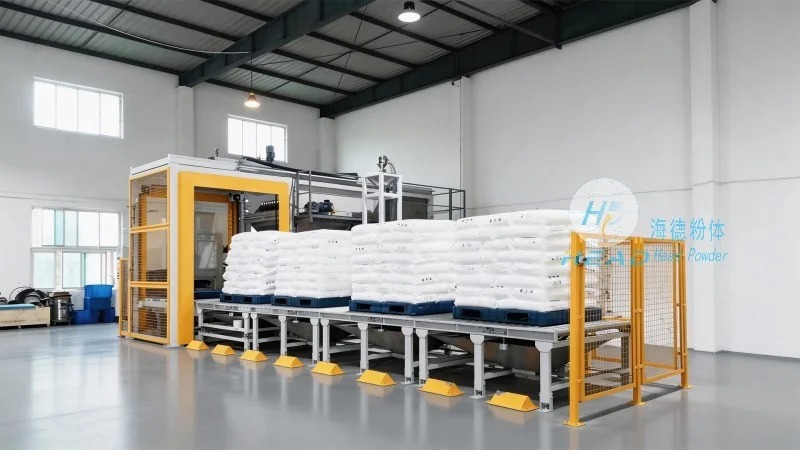
Introduction to Calcium Carbonate Pneumatic Conveying Systems
Calcium carbonate (CaCO₃) is a widely used industrial material in various sectors, including plastics, paper, and construction. The efficient transportation of this material from storage to processing units is crucial for maintaining production efficiency and minimizing downtime. Pneumatic conveying lines offer a reliable and flexible solution for handling calcium carbonate, especially in applications where dust control and material purity are critical. These systems utilize air or other gases to transport the material through a network of pipes, eliminating the need for mechanical components like conveyors or elevators.
Key Components of a Calcium Carbonate Pneumatic Conveying Line
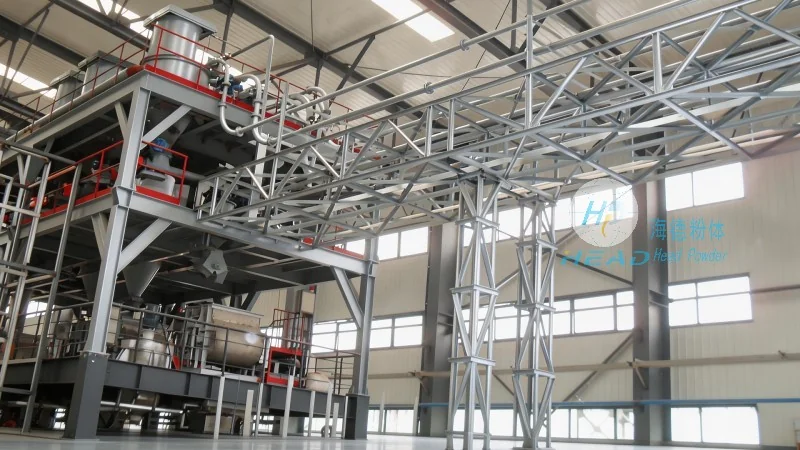
The calcium carbonate pneumatic conveying line consists of several essential components that work in tandem to achieve effective material transport. The primary components include a hopper for material storage, a feeder to control the flow rate, a conveying line (typically made of stainless steel or other corrosion-resistant materials to handle the abrasive nature of calcium carbonate), a dust collector to capture airborne particles, and a receiver for the delivered material. Each component plays a vital role in ensuring the smooth operation of the system.
Working Principle of the Pneumatic Conveying Process
The operation of a calcium carbonate pneumatic conveying line is based on the principle of air flow and pressure differentials. The process typically begins with the material being fed from the hopper into the conveying line. A feeder, often a rotary valve or a screw feeder, regulates the flow rate to maintain a consistent material stream. Simultaneously, a blower or compressor generates high-pressure air that is introduced into the conveying line. As the air flows through the pipe, it creates a negative pressure (suction) at the inlet and a positive pressure at the outlet, which propels the calcium carbonate particles forward.
Step-by-Step Operation Process
The operation of the calcium carbonate pneumatic conveying line can be broken down into several sequential steps:
1. Material Loading: The hopper is filled with calcium carbonate, ensuring an adequate supply for continuous operation. The hopper is equipped with a lid and a level indicator to monitor the material level.
2. Feeding and Air Supply: The feeder starts to discharge the material into the conveying line at a controlled rate. Simultaneously, the blower activates and supplies compressed air to the system. The air flow rate is adjusted to match the material feed rate, ensuring that the particles are fully entrained and transported without clogging.
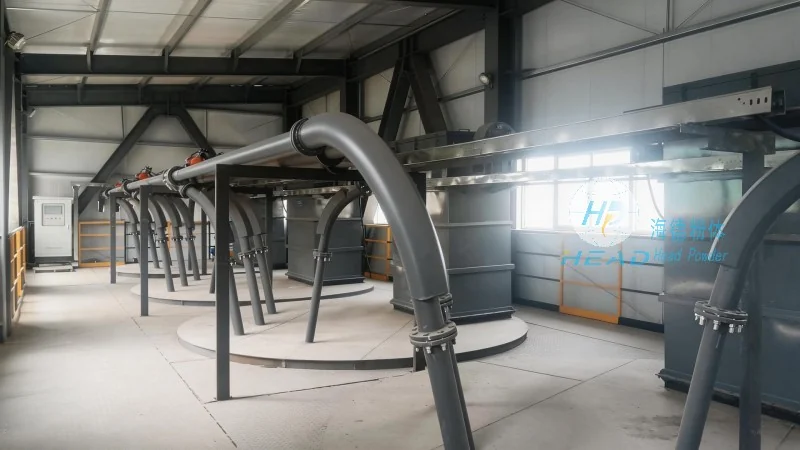
3. Conveying: The calcium carbonate particles are carried by the air stream through the pipeline. The conveying line may include bends, elbows, or expansion joints, which are designed to minimize pressure loss and prevent material deposition. The system is typically operated under a slight negative pressure at the inlet to prevent dust leakage.
4. Dust Collection: As the material reaches the receiver, the air stream passes through a dust collector. The dust collector uses filtration or cyclonic separation to capture any fine particles, ensuring that the delivered material remains clean and free from contaminants.
5. Material Discharge: The purified material is collected in the receiver, which is connected to the processing unit. The receiver is equipped with a discharge valve to control the release of the material into the next stage of the production process.
Technical Considerations and Maintenance
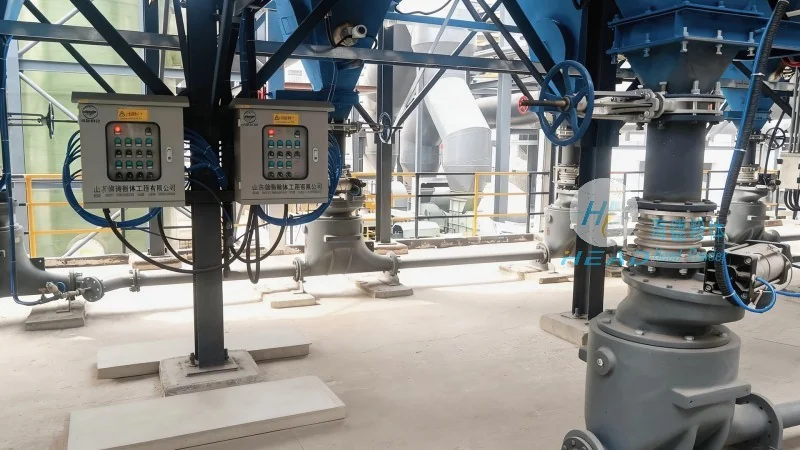
Several technical factors must be considered to ensure the optimal performance of the calcium carbonate pneumatic conveying line. The choice of material for the conveying line (e.g., stainless steel, PTFE-coated pipes) is critical to resist abrasion and corrosion from the calcium carbonate particles. The air pressure and flow rate must be precisely controlled to avoid excessive wear on components and to maintain efficient material transport. Regular maintenance, including cleaning of the hopper, feeder, and dust collector, is essential to prevent blockages and ensure consistent operation.
Benefits of Using Calcium Carbonate Pneumatic Conveying Lines
The implementation of a calcium carbonate pneumatic conveying line offers several advantages over traditional material handling methods. These include reduced labor costs due to automated operation, improved safety by minimizing manual handling of powders, and enhanced product quality through better dust control. Additionally, the flexible design of pneumatic conveying systems allows for easy integration with existing production lines and the ability to transport materials over long distances without the need for multiple transfer points.
Conclusion
HeadPowder Engineering Co., Ltd., with its headquarters in Shandong, China, provides comprehensive solutions for calcium carbonate pneumatic conveying lines. By leveraging advanced engineering and materials, these systems ensure reliable and efficient material transport, supporting the smooth operation of industrial processes. The detailed operation process and working principles outlined in this article highlight the sophistication and effectiveness of pneumatic conveying technology in handling calcium carbonate, making it an indispensable component in modern industrial applications.