

Operation Process and Working Principle of Silica Micropowder Pneumatic Conveying Systems
Silica micropowder pneumatic conveying systems represent a sophisticated solution for the efficient and safe transportation of fine powders, such as silica micropowder, across industrial settings. These systems are integral to processes in sectors like chemical manufacturing, pharmaceutical production, and food processing, where the integrity of the powder is paramount. The core functionality of these systems revolves around the utilization of air flow and pressure to suspend and transport powder particles through a network of pipelines, ensuring minimal degradation and contamination. By integrating advanced engineering principles with robust materials, these systems provide a reliable method for handling delicate powders that traditional mechanical conveyors might compromise. Shandong HeadPowder Engineering Co., Ltd., a leading manufacturer in this field, specializes in developing customized pneumatic conveying solutions tailored to the specific needs of clients, ensuring optimal performance and reliability.
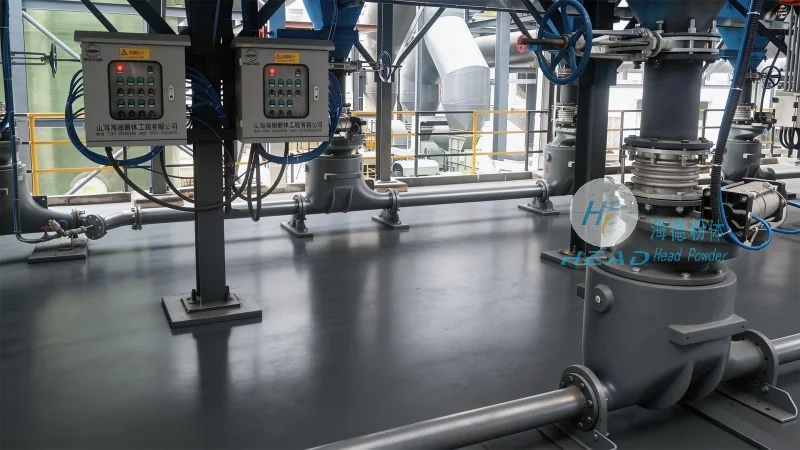
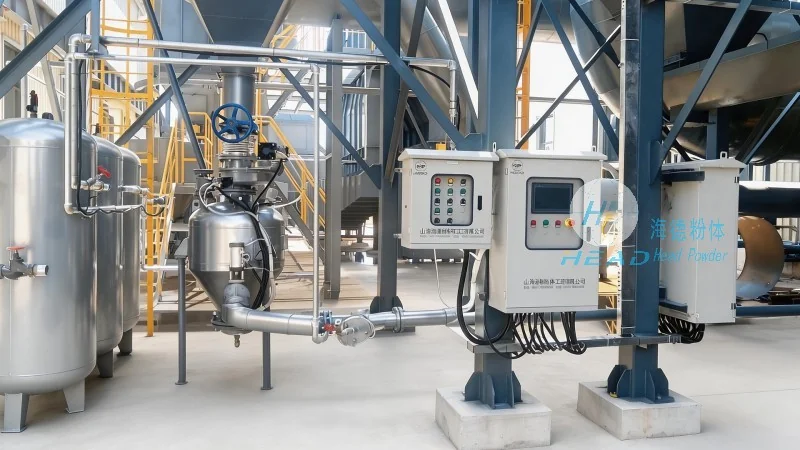
Key Components and Their Roles in the System
The operational efficiency of a silica micropowder pneumatic conveying line is dependent on its key components, each designed to perform a specific function with precision. The system typically comprises a storage hopper, a controlled feeder, a high-pressure blower or compressor, a pipeline network, and a receiving container. The storage hopper serves as the initial reservoir, maintaining a consistent powder level to prevent clogging and ensure a steady feed. The feeder, often a rotary valve or a screw mechanism, regulates the powder discharge rate, controlling the flow into the pipeline to match production demands. The blower or compressor generates the necessary air pressure, creating the force required to move the powder particles through the system. The pipeline network, constructed from corrosion-resistant materials like stainless steel, forms the conduit for the powder-air mixture, with bends, valves, and filters strategically placed to maintain flow and prevent blockages. The receiving container collects the delivered powder, and may include a filter to separate any entrained air, ensuring the final product is clean and free from contaminants. Each component works in harmony to achieve the system's primary goal: efficient, contaminant-free powder transport.
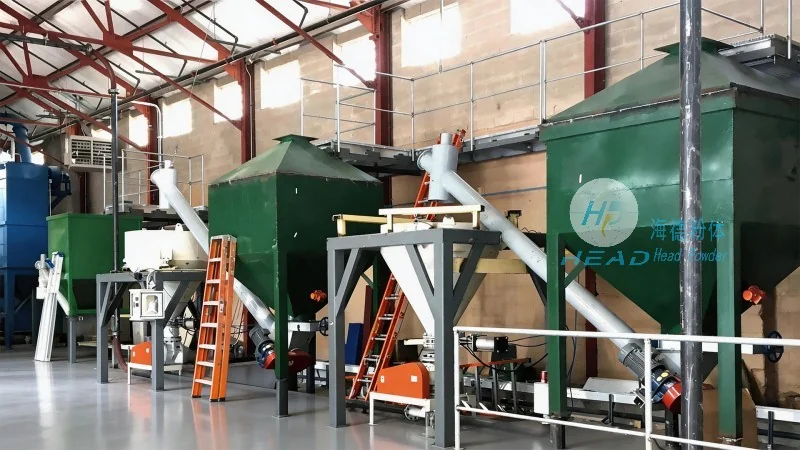
Step-by-Step Operation Process
The operation of a silica micropowder pneumatic conveying system follows a systematic sequence of actions that ensure smooth and consistent performance. The process initiates with the loading of the hopper with the silica micropowder, ensuring an adequate supply for the production run. The feeder then activates, beginning to discharge the powder at a pre-set rate, which is monitored and adjusted by the control system to maintain the desired flow. Simultaneously, the blower or compressor starts, generating the required air pressure to create the conveying air stream. The powder is then introduced into the pipeline, where it mixes with the air and becomes suspended, forming a dense phase or dilute phase mixture depending on the system design. As the mixture travels through the pipeline, it encounters various components such as elbows, check valves, and filters, which help maintain the flow velocity and prevent particle settling or blockages. The receiving container at the end of the pipeline collects the powder, while the air is either vented to the atmosphere or recirculated back into the system, depending on the configuration. Throughout the process, sensors and control systems continuously monitor parameters like pressure, flow rate, and temperature, providing real-time feedback to adjust the operation and ensure optimal performance. This automated control ensures the system operates reliably, even under varying production conditions.
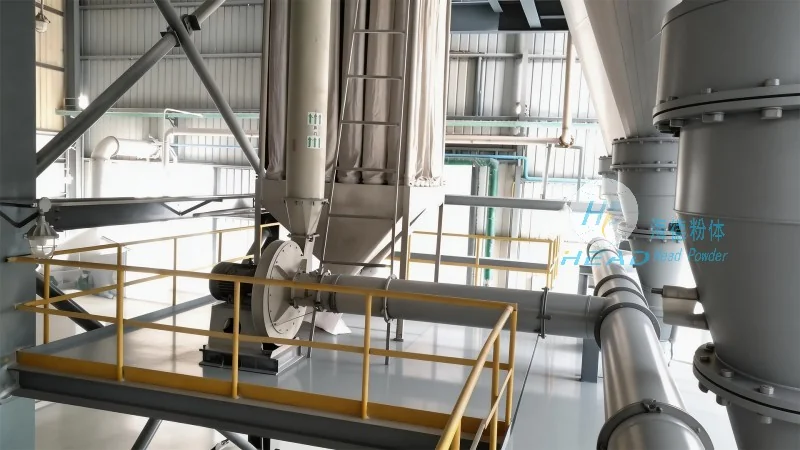
Working Principle: Fluidization and Suspension Dynamics
The fundamental working principle of a silica micropowder pneumatic conveying system is based on the physics of fluidization and particle suspension. When air is introduced into the pipeline at a velocity exceeding the minimum fluidization velocity of the powder particles, the air flow creates a turbulent environment that lifts and suspends the particles, preventing them from settling. This phenomenon, known as pneumatic conveying, allows the powder to be transported as a fluid-like mixture, eliminating the need for mechanical contact that could cause particle attrition or contamination. The key to efficient conveying lies in maintaining the air velocity above the minimum fluidization velocity, which varies based on the powder's density, particle size, and shape. If the air velocity is too low, the powder will settle and cause blockages in the pipeline; conversely, if it is too high, it may lead to excessive wear on the pipeline and equipment due to the high impact forces. The system also relies on the pressure drop along the pipeline, which is the result of friction between the powder particles and the pipeline walls, as well as the resistance of components like bends and valves. Proper design of the pipeline diameter, length, and components is critical to minimize pressure drop and ensure the system operates within its designed pressure range. By balancing these factors, the system achieves efficient and reliable powder transport, adhering to the principles of fluid dynamics and particle mechanics.