

Operation Process and Working Principle of Phosphate Powder Pneumatic Conveying Line
Phosphate fertilizer is a crucial component in modern agriculture, providing essential nutrients for plant growth. The efficient transportation of phosphate powder from production sites to processing facilities or end-users is critical for maintaining productivity and ensuring consistent quality. Pneumatic conveying systems have emerged as a preferred method for handling phosphate powders due to their ability to transport materials in a dust-free environment, reducing contamination risks and improving operational safety. This article delves into the operation process and working principles of a phosphate powder pneumatic conveying line, highlighting key components, operational mechanisms, and the benefits of such systems.
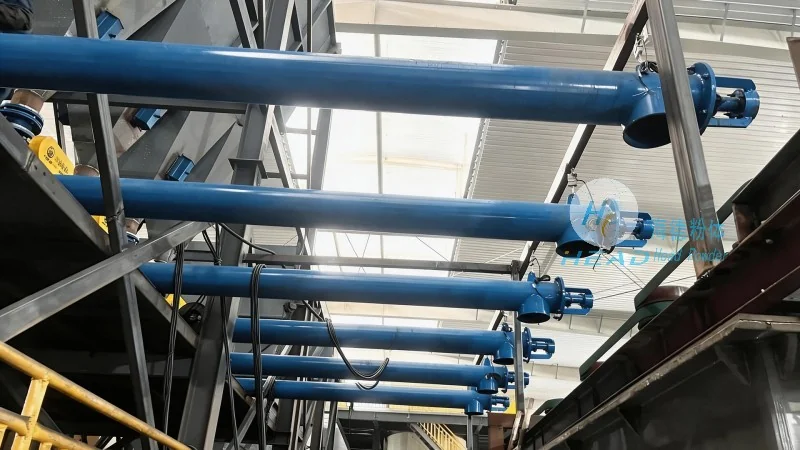
Key Components of a Phosphate Powder Pneumatic Conveying System
The phosphate powder pneumatic conveying line consists of several interconnected components that work in tandem to achieve effective material transport. The primary components include the material hopper, feeder, air compressor, conveying pipes, control valves, and a dust collection system. The material hopper is designed to store the phosphate powder and provide a consistent feed to the feeder. The feeder, typically a rotary valve or a screw feeder, regulates the flow rate of the powder into the conveying line, ensuring a steady supply to the system. The air compressor generates the necessary air pressure to move the powder through the pipes. The conveying pipes are usually made of stainless steel or other corrosion-resistant materials to withstand the abrasive nature of phosphate powders. Control valves are used to manage the air flow and pressure within the system, allowing for adjustments based on operational needs. The dust collection system, often equipped with filters or cyclones, captures any fine particles that may escape, ensuring environmental compliance and maintaining air quality.
Working Principle of the Pneumatic Conveying Process
The operation of a phosphate powder pneumatic conveying line is based on the principle of air movement to transport solid particles. The process begins with the material being fed from the hopper into the feeder. The feeder then introduces the powder into the conveying pipe, where it is mixed with high-pressure air from the compressor. As the air flows through the pipe, it creates a flow that lifts and transports the powder particles. The mixture of air and powder travels through the system, passing through any necessary bends or junctions, and eventually reaching the discharge point. At the discharge end, the air and powder are separated, with the powder being collected in a receiving hopper or container, and the air being filtered and released back into the environment. The control valves play a crucial role in maintaining the pressure and flow rate, ensuring that the conveying process is efficient and consistent. The entire system operates continuously, with the feeder and compressor working in sync to maintain a steady flow of phosphate powder.
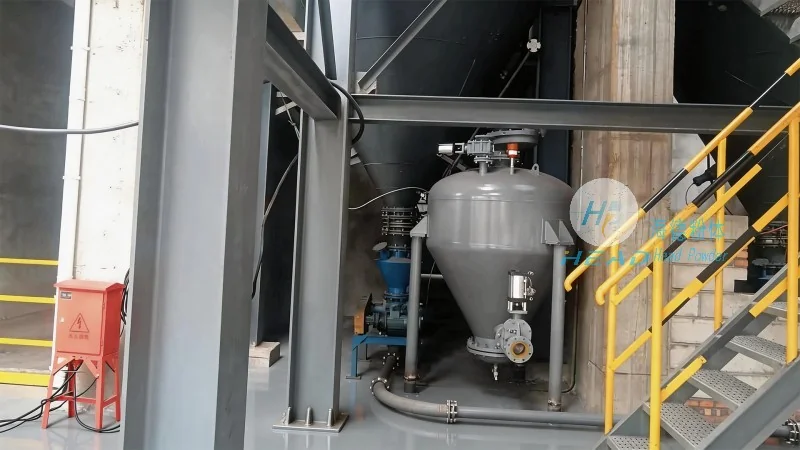
Operational Process of the Phosphate Powder Pneumatic Conveying Line
The operational process of the phosphate powder pneumatic conveying line involves several steps that ensure smooth and efficient material transport. First, the system is started by activating the air compressor and the feeder. The hopper is filled with phosphate powder, and the feeder begins to regulate the flow rate. The air compressor then generates the required pressure, and the powder is introduced into the conveying pipe. The mixture of air and powder is then transported through the system, passing through any necessary components such as bends or filters. At the discharge point, the powder is collected, and the air is filtered and released. The system is monitored continuously to ensure that the flow rate and pressure are within the optimal range. Adjustments are made as needed to maintain the efficiency of the conveying process. The entire operation is designed to be automated, with minimal manual intervention required, reducing labor costs and improving operational consistency.
Benefits and Advantages of Phosphate Powder Pneumatic Conveying Lines
Phosphate powder pneumatic conveying lines offer several benefits that make them an attractive choice for material handling in the fertilizer industry. One of the primary advantages is the ability to transport materials in a dust-free environment, which reduces the risk of contamination and improves product quality. The system also minimizes the need for manual handling, reducing labor costs and improving workplace safety. Additionally, pneumatic conveying systems are more flexible than traditional methods, allowing for changes in the layout or flow of the system without significant modifications. The use of corrosion-resistant materials ensures that the system can withstand the abrasive nature of phosphate powders, extending its lifespan and reducing maintenance costs. The automated nature of the system also ensures consistent performance, reducing the risk of downtime and improving overall productivity. Furthermore, the dust collection system helps in maintaining environmental compliance, reducing the impact of the operation on the surrounding environment.
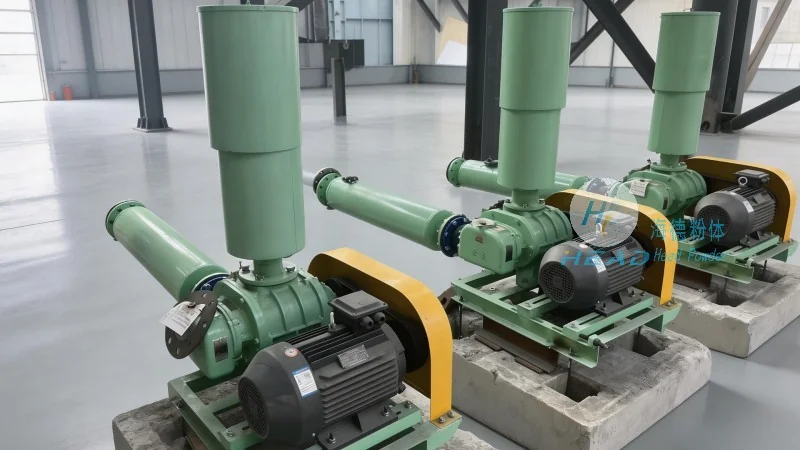
Applications and Industries Served
Phosphate powder pneumatic conveying lines are widely used in various industries, particularly in the fertilizer and chemical sectors. They are commonly employed in the transportation of phosphate powders from production facilities to processing plants, storage areas, or distribution centers. The system is also used in the handling of other fine powders, such as limestone, gypsum, and other agricultural fertilizers. The flexibility and efficiency of the pneumatic conveying line make it suitable for a wide range of applications, from small-scale operations to large industrial plants. The system can be customized to meet the specific needs of different industries, ensuring that the material is transported safely and efficiently.
Conclusion
In conclusion, the phosphate powder pneumatic conveying line is a highly efficient and effective method for transporting phosphate fertilizers. The system's ability to operate in a dust-free environment, reduce labor costs, and improve product quality makes it a preferred choice in the industry. The working principles and operational process of the system are well-defined, with key components working in tandem to achieve optimal performance. As the demand for phosphate fertilizers continues to grow, the importance of efficient material handling systems cannot be overstated. The phosphate powder pneumatic conveying line, with its benefits and advantages, plays a crucial role in meeting the industry's needs and ensuring sustainable agricultural practices.