

Operation Process and Working Principle of Plug Flow Pneumatic Conveying Systems
Plug flow pneumatic conveying systems represent a sophisticated method for transporting bulk materials through a pipeline using a controlled flow of air. This technology is widely adopted in various industrial sectors due to its efficiency, flexibility, and ability to handle a wide range of materials. The operation of such systems is based on the principle of creating a "plug" of material that moves through the pipeline, ensuring minimal segregation and loss of material properties. In this article, we will explore the detailed operation process and working principles of plug flow pneumatic conveying systems, with a focus on the expertise of Shandong HeadPowder Engineering Co., Ltd., a leading manufacturer in the field.
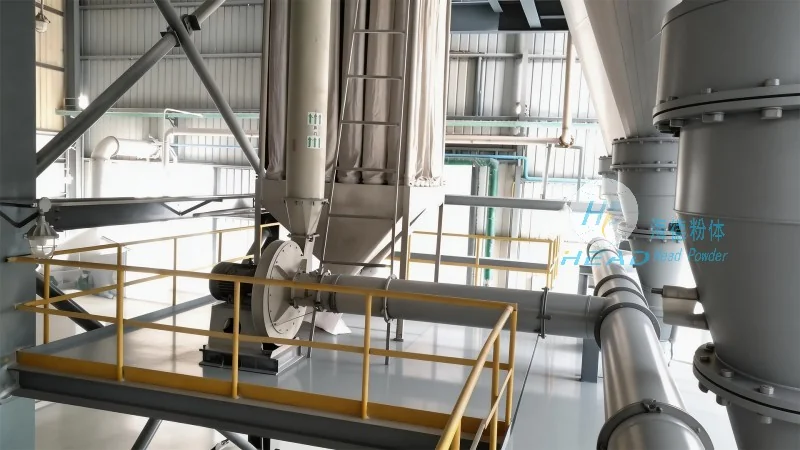
About Shandong HeadPowder Engineering Co., Ltd.
Shandong HeadPowder Engineering Co., Ltd., commonly known as HeadPowder, is a reputable company based in Shandong, China. With years of experience in the design, manufacturing, and installation of pneumatic conveying systems, HeadPowder has established itself as a trusted partner for industries requiring reliable material handling solutions. The company specializes in customizing plug flow systems to meet the specific needs of clients, ensuring optimal performance and durability.
The Operation Process of Plug Flow Pneumatic Conveying Systems
The operation of a plug flow pneumatic conveying system involves several key steps, each designed to ensure smooth and efficient material transport. The process typically begins with the loading of the material into the hopper or feed hopper. The material is then fed into the pipeline at a controlled rate, while a high-pressure air stream is introduced from the other end. The air stream creates a pressure differential that propels the material forward in a plug-like formation. As the material moves through the pipeline, it is separated from the air by a series of valves or separators, which maintain the plug structure and prevent material degradation. The system continues to transport the material until it reaches the discharge point, where it is collected and used for further processing. Throughout the operation, the system monitors pressure, flow rate, and other parameters to ensure consistent performance and prevent any issues such as blockages or material loss.
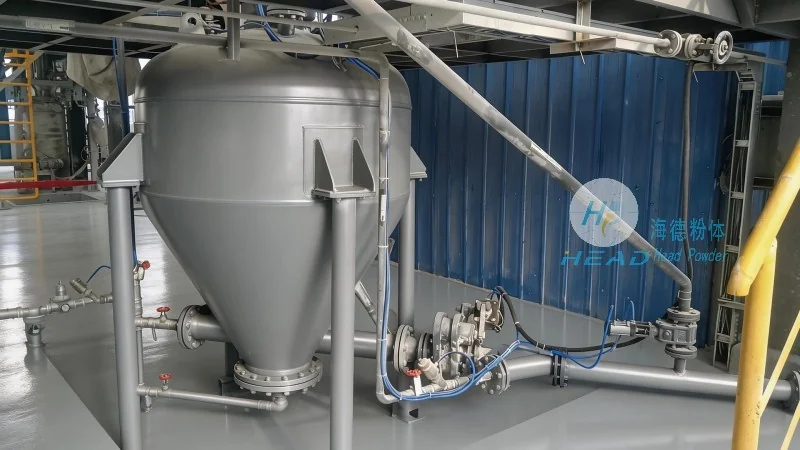
Working Principles of Plug Flow Pneumatic Conveying Systems
The working principle of plug flow pneumatic conveying systems is centered on the concept of creating a stable, dense plug of material within the pipeline. This is achieved by controlling the air flow rate and pressure to match the material's characteristics, such as density, moisture content, and particle size. The plug formation is crucial because it minimizes the interaction between the material and the air, reducing the risk of segregation and ensuring that the material maintains its original properties. The system uses a combination of positive pressure and negative pressure (or a combination of both) to move the material. In positive pressure systems, air is blown into the pipeline, pushing the material forward. In negative pressure systems, air is drawn out of the pipeline, pulling the material along. Plug flow systems often employ a combination of these methods to achieve optimal results. The key to the system's efficiency lies in the precise control of the air flow, which is managed by advanced control systems that adjust the pressure and flow rate based on real-time data from sensors placed throughout the pipeline.
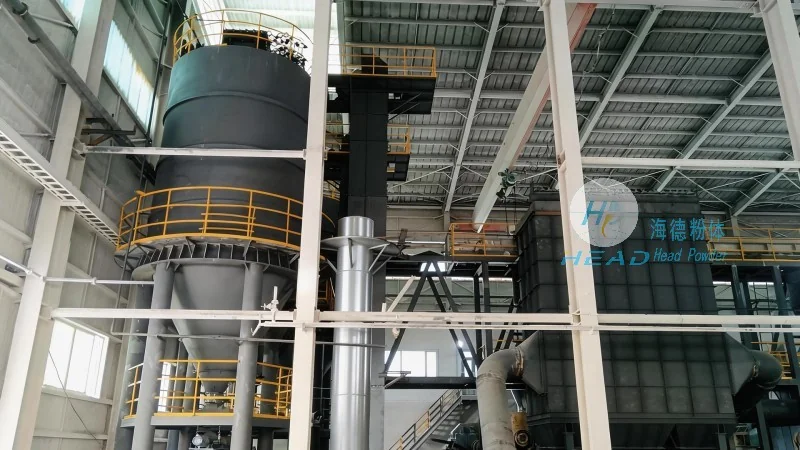
Key Features and Benefits of Plug Flow Systems
Plug flow pneumatic conveying systems offer several advantages over traditional conveying methods. One of the primary benefits is the ability to handle a wide variety of materials, including powders, granules, and bulk solids, without causing segregation or degradation. The plug formation ensures that the material moves as a single entity, preserving its quality and preventing contamination. Additionally, these systems are energy-efficient, as they use less air compared to other pneumatic conveying methods, reducing operational costs. The modular design of plug flow systems allows for easy integration into existing production lines, and the system can be customized to fit specific space constraints and material handling requirements. The durability of the components, such as the pipeline and valves, is also a significant advantage, as they are designed to withstand the rigors of continuous operation and harsh environments.

Applications and Industries
Plug flow pneumatic conveying systems are used in a diverse range of industries, including food and beverage, pharmaceuticals, chemicals, and mining. In the food industry, these systems are used to transport ingredients such as flour, sugar, and spices, ensuring that the products remain fresh and free from contamination. In the pharmaceutical industry, plug flow systems are employed to handle sensitive materials like powders and granules, maintaining the purity and quality of the products. The chemical industry uses these systems to transport bulk chemicals, preventing dust and ensuring safe handling. In the mining sector, plug flow pneumatic conveying is used to transport minerals and ores from processing plants to storage facilities, improving operational efficiency and reducing labor costs.
Conclusion
Plug flow pneumatic conveying systems are a highly effective and reliable method for material handling, offering numerous benefits over traditional methods. With the expertise of companies like Shandong HeadPowder Engineering Co., Ltd., these systems can be customized to meet the specific needs of various industries, ensuring optimal performance and durability. As technology advances, plug flow systems continue to evolve, providing even more efficient and sustainable solutions for material transport. For industries seeking to improve their material handling processes, plug flow pneumatic conveying systems represent a valuable investment in productivity and quality.