

Operation Process and Working Principle of High-Pressure Pneumatic Conveying Equipment
High-pressure pneumatic conveying machines are advanced industrial equipment designed for efficient material handling and transportation. This equipment is widely used in various industries such as food processing, pharmaceuticals, chemicals, and mining, where the safe and reliable transfer of bulk materials is critical. The operation process and working principle of these machines are essential for understanding their functionality and optimizing their performance in real-world applications. As a leading manufacturer, Shandong HeadPowder Engineering Co., Ltd. specializes in developing high-performance high-pressure pneumatic conveying systems that meet the demanding requirements of modern industrial operations.
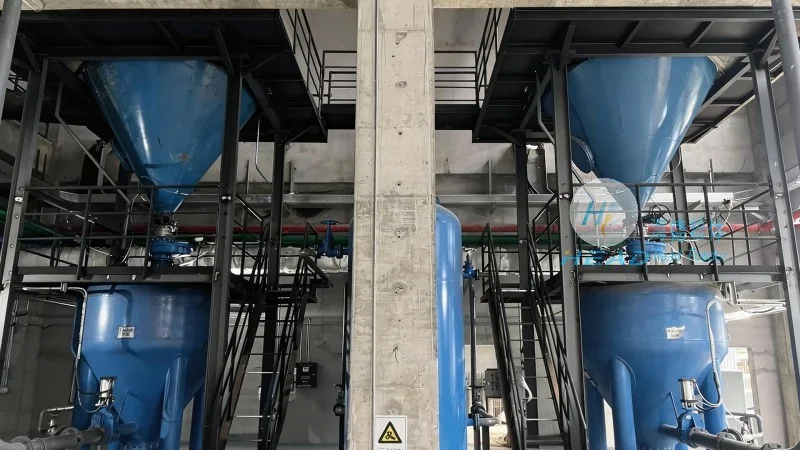
Introduction to High-Pressure Pneumatic Conveying Machines
High-pressure pneumatic conveying systems utilize compressed air to transport bulk materials from one location to another. Unlike traditional vacuum or low-pressure systems, high-pressure pneumatic conveying offers superior performance in terms of material flow rate, distance, and system efficiency. The technology is based on the principle of air pressure, where compressed air is introduced into a pipeline to create a high-pressure environment that propels the material particles forward. This method ensures minimal product degradation, low maintenance requirements, and high operational reliability. The equipment is engineered to handle a wide range of materials, including powders, granules, and even wet or sticky substances, making it versatile for diverse industrial applications.
Key Components of High-Pressure Pneumatic Conveying Systems
The high-pressure pneumatic conveying machine consists of several critical components that work in tandem to achieve effective material transport. These components include a high-pressure air compressor, a material feeder, a conveying line, a control system, and a discharge unit. The air compressor generates the necessary pressure to move the material, while the feeder ensures a consistent and controlled flow of the bulk material into the system. The conveying line, typically made of stainless steel or other corrosion-resistant materials, transports the material and air mixture. The control system monitors and regulates the pressure, flow rate, and other parameters to maintain optimal operation. Finally, the discharge unit collects the material at the destination point, completing the conveying process. Each component is designed to work seamlessly with the others to ensure smooth and efficient material handling.
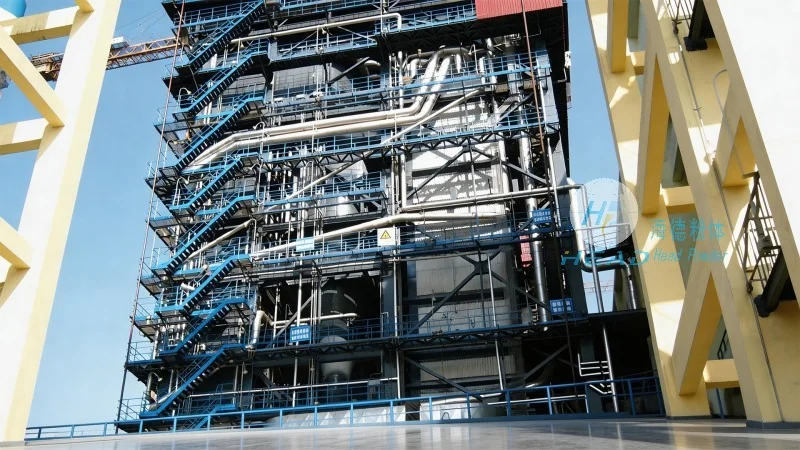
Operation Process of High-Pressure Pneumatic Conveying
The operation process of a high-pressure pneumatic conveying machine involves several sequential steps that ensure smooth and efficient material transfer. First, the bulk material is loaded into the feeder, which then feeds the material into the conveying line at a controlled rate. Simultaneously, the high-pressure air compressor supplies compressed air to the system, creating a high-pressure environment within the pipeline. The compressed air then propels the material particles forward, forming a dense phase flow that minimizes particle separation and degradation. As the material travels through the conveying line, it may encounter various components such as bends, filters, or pressure regulators that help maintain the flow and prevent blockages. Upon reaching the discharge point, the material is collected and the air is typically filtered and recycled back to the compressor, completing the cycle. This continuous process allows for uninterrupted material transport over long distances.
Working Principle of High-Pressure Pneumatic Conveying
The working principle of high-pressure pneumatic conveying is based on the fundamental physics of fluid dynamics and particle motion. When compressed air is introduced into the conveying line, it creates a pressure gradient that drives the material particles forward. The high pressure ensures that the material is carried in a dense phase, where the particles are closely packed and move together as a single stream. This dense phase flow is more efficient than the dilute phase flow used in low-pressure systems, as it reduces the risk of particle segregation and improves overall system performance. The control system plays a crucial role in maintaining the pressure and flow rate, ensuring that the material is transported at the desired speed and distance without causing excessive wear or damage to the equipment. Additionally, the use of high-pressure systems allows for longer conveying distances and higher material throughput compared to traditional methods, making them ideal for large-scale industrial operations.

Advantages of High-Pressure Pneumatic Conveying Machines
High-pressure pneumatic conveying machines offer numerous advantages over other material handling methods. These include minimal product contamination, as the system is enclosed and the material is not exposed to external elements. The technology also provides excellent control over the material flow, allowing for precise and consistent transfer of bulk materials. Additionally, high-pressure systems are capable of handling a wide range of materials, including corrosive or hazardous substances, ensuring safe and reliable transport. The low maintenance requirements and long service life of these machines make them a cost-effective solution for industrial applications. Furthermore, the ability to convey materials over long distances without the need for intermediate storage or handling points enhances operational efficiency and reduces labor costs. These advantages make high-pressure pneumatic conveying a preferred choice for industries that demand high-quality, efficient material handling solutions.
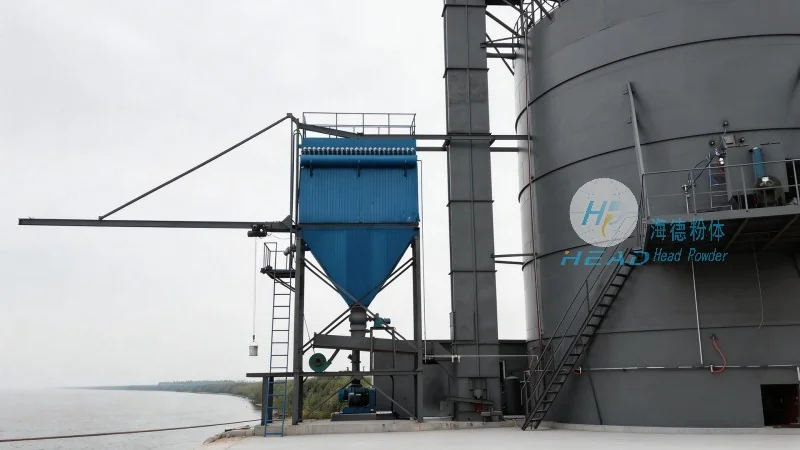
Applications and Industries
High-pressure pneumatic conveying machines are widely used in various industries due to their versatility and efficiency. In the food and pharmaceutical industries, these machines are used to transport ingredients, powders, and granules with strict hygiene and contamination control requirements. The chemical industry utilizes high-pressure systems to handle corrosive or hazardous materials, ensuring safe and reliable transport. The mining and mineral processing sectors also benefit from these machines, as they can efficiently convey bulk materials such as ores, coal, and minerals over long distances. Additionally, the manufacturing and packaging industries use high-pressure pneumatic conveying for material transfer in production lines, improving overall workflow and productivity. The adaptability of high-pressure pneumatic conveying systems makes them suitable for a wide array of industrial applications, from small-scale operations to large-scale production facilities.
Conclusion
High-pressure pneumatic conveying machines are essential equipment for modern industrial operations, providing efficient, reliable, and safe material handling solutions. The operation process and working principle of these machines are designed to optimize performance and minimize downtime, making them a preferred choice for industries that require consistent and high-quality material transport. With the continuous advancements in technology, high-pressure pneumatic conveying systems are becoming more efficient and cost-effective, further enhancing their role in industrial applications. As a leading manufacturer in this field, Shandong HeadPowder Engineering Co., Ltd. specializes in providing high-quality high-pressure pneumatic conveying machines tailored to the specific needs of various industries. The company's commitment to innovation and quality ensures that customers receive equipment that meets the highest standards of performance and reliability, supporting their operational goals and enhancing overall productivity.