

Operation Process and Working Principle of Pharmaceutical Pneumatic Conveying Machines
Pharmaceutical pneumatic conveying machines are critical equipment in the pharmaceutical manufacturing industry, designed to transport powders and granules safely and efficiently. Understanding their operation process and working principle is essential for optimizing production lines and ensuring compliance with stringent quality standards. This article provides a detailed overview of how these machines function, highlighting key components, operational steps, and the underlying principles that enable their reliable performance. Manufactured by Shandong HeadPowder Engineering Co., Ltd. (headpowder), these systems adhere to GMP guidelines and are engineered for precision and reliability in pharmaceutical applications.
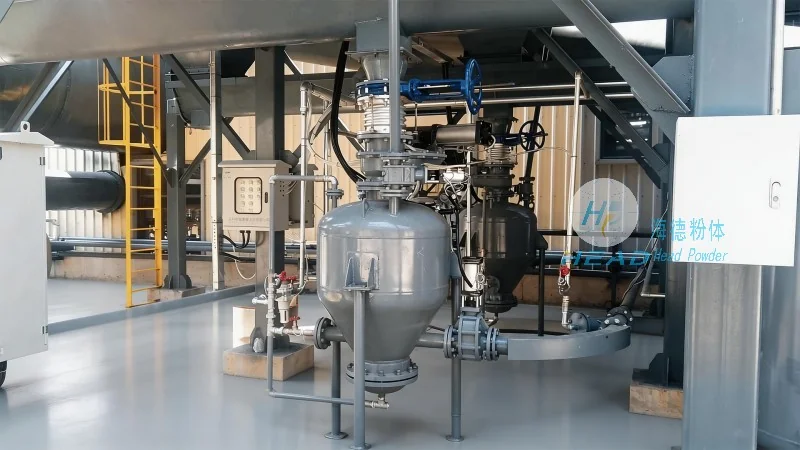
Introduction to Pharmaceutical Pneumatic Conveying Machines
Pharmaceutical pneumatic conveying systems are engineered to handle sensitive materials like active pharmaceutical ingredients (APIs), excipients, and other powders with precision. Unlike traditional mechanical conveyors, these systems use air or other gases to move materials through a pipeline, minimizing product contamination and ensuring a hygienic environment. The design of these machines adheres to GMP (Good Manufacturing Practice) guidelines, making them suitable for pharmaceutical applications where product integrity and safety are paramount.
Key Components of a Pharmaceutical Pneumatic Conveying System
A typical pharmaceutical pneumatic conveying machine consists of several interrelated components that work together to achieve efficient material transport. These include the hopper (for material storage), the feeder (to control the flow of material), the conveying line (the pipeline through which material is transported), the air supply system (to generate the necessary air pressure), and the control unit (to regulate the entire process). Each component is designed with materials that are non-reactive and easy to clean, such as stainless steel, to prevent contamination and facilitate maintenance.
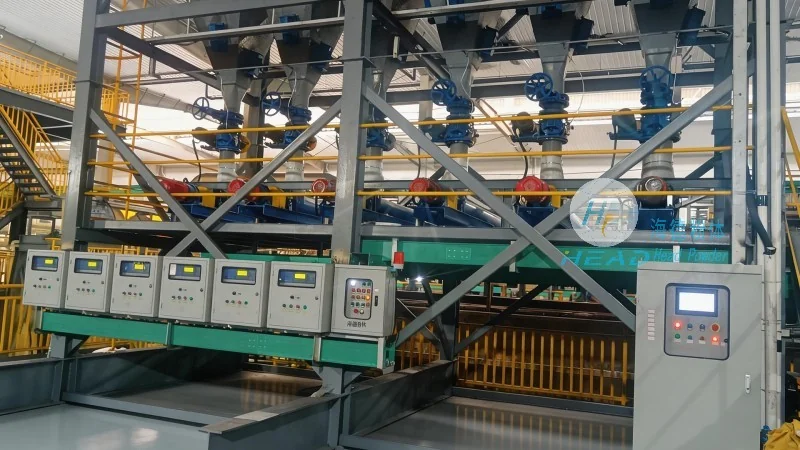
The Working Principle: How Pharmaceutical Pneumatic Conveying Machines Operate
The core principle behind pneumatic conveying is the use of air to create a flow of material through a pipeline. There are two main types of pneumatic conveying systems: pressure and vacuum. In pressure systems, compressed air is introduced into the conveying line, pushing the material forward. In vacuum systems, a vacuum is created at the receiving end, pulling the material through the line. For pharmaceutical applications, pressure systems are more commonly used due to their ability to handle a wider range of materials and their lower risk of product degradation.
During operation, the material is first fed from the hopper into the feeder. The feeder then meters the material at a controlled rate, ensuring a consistent flow into the conveying line. Simultaneously, the air supply system generates compressed air, which is introduced into the line at a specific pressure. The air and material mixture travels through the pipeline, with the air providing the necessary force to move the material. At the receiving end, the material is separated from the air, often through a cyclone or a filter, and collected in a container. The air is then filtered and returned to the system, completing the cycle.
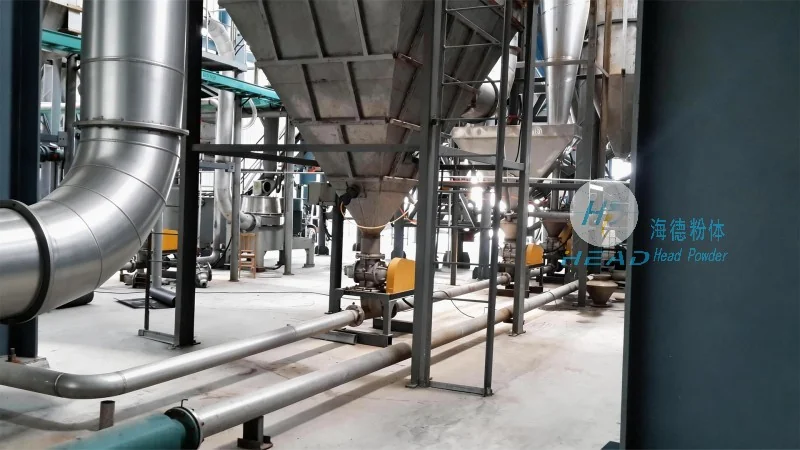
Operation Process: Step-by-Step Guide
The operation process of a pharmaceutical pneumatic conveying machine involves several key steps that ensure smooth and efficient material transport. Here is a detailed breakdown of the process:
1. Material Loading: The hopper is filled with the pharmaceutical powder or granule to be transported. The hopper is designed with a smooth interior and a wide opening to facilitate easy loading and prevent material bridging or caking.
2. Feeder Control: The feeder, typically a rotary valve or a screw feeder, is activated to control the flow rate of the material from the hopper into the conveying line. The feeder is calibrated to match the required production rate, ensuring that the material is fed at a consistent and controlled pace.
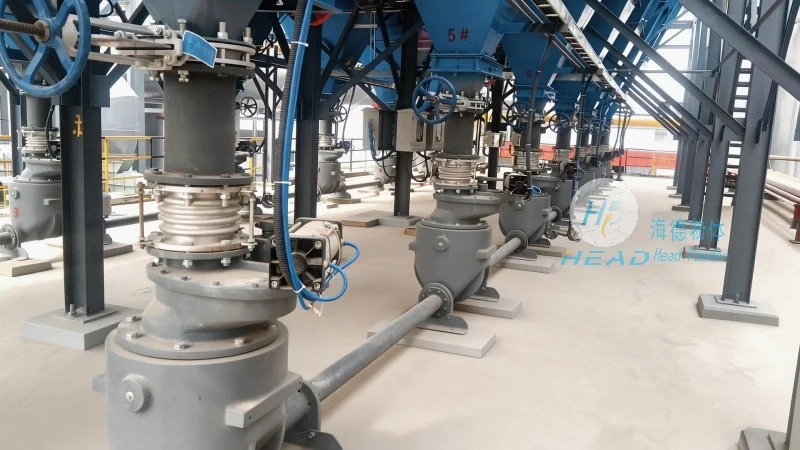
3. Air Supply Activation: The air compressor or blower is started, and compressed air is supplied to the conveying line at the designated pressure. The pressure is monitored and adjusted as needed to maintain optimal conveying conditions.
4. Material Conveying: As the air flows through the line, it creates a flow of the material, which is carried along by the air stream. The material travels through the pipeline to the receiving hopper or storage tank at the other end of the line.