

Operation Process and Working Principle of Light Calcium Gas-Pneumatic Conveyor
Light calcium gas-pneumatic conveyors are essential equipment in the powder handling industry, particularly for transporting light calcium carbonate. This article provides a detailed overview of the operation process and working principle of such conveyors, highlighting the key components and mechanisms involved.
Key Components of the Light Calcium Gas-Pneumatic Conveyor
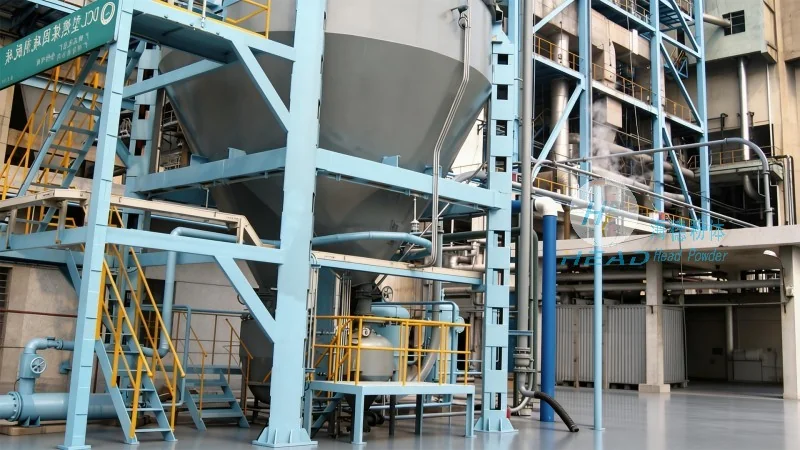
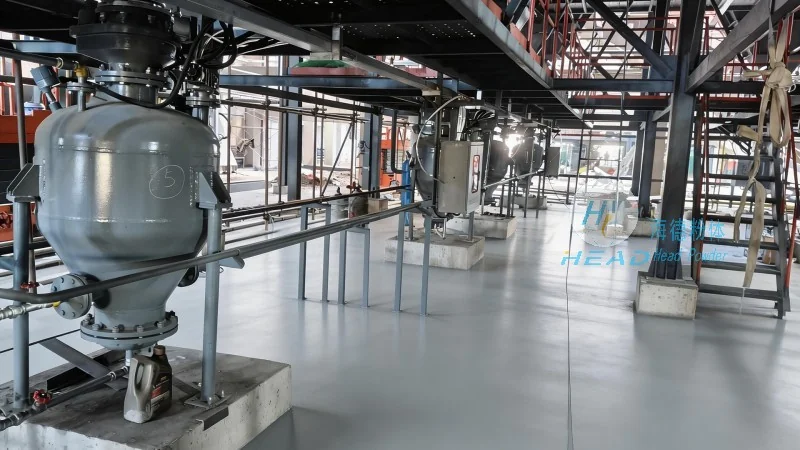
The system typically consists of several core components, including a hopper for material storage, a blower or air compressor to generate airflow, a pipeline network for material transport, and a receiver or discharge unit. The hopper ensures a consistent feed of light calcium, while the blower provides the necessary pressure and airflow to move the material through the pipeline. The pipeline is designed with appropriate diameter and material to withstand the pressure and prevent blockages, often incorporating bends and valves for direction control. The receiver collects the conveyed material and may include a dust collection system to maintain air quality.
Operation Process of the Light Calcium Gas-Pneumatic Conveyor
The operation process of a light calcium gas-pneumatic conveyor involves several sequential steps. First, the light calcium is fed into the hopper from a storage silo or bulk container. The material is then released into the pipeline as the blower starts operating, creating a negative pressure or positive pressure environment depending on the system design. The airflow carries the light calcium particles through the pipeline, with the velocity of the air sufficient to overcome the gravitational and frictional forces acting on the particles. As the material travels through the pipeline, it may encounter bends or changes in direction, which are managed by the design of the pipeline and the use of appropriate fittings. The receiver at the end of the pipeline collects the light calcium, and the air is typically filtered and recycled back to the blower to conserve energy and maintain system efficiency.
Working Principle of the Light Calcium Gas-Pneumatic Conveyor
The working principle of a light calcium gas-pneumatic conveyor is based on the principles of fluidization and pneumatic transport. The blower generates a high-velocity airflow that creates a suspension of the light calcium particles in the air stream. This suspension allows the material to be transported over long distances without the need for mechanical conveying devices like belts or screws. The key to efficient operation is maintaining the correct air velocity and pressure to ensure that the particles remain in suspension and do not settle or cause blockages. The system also relies on the proper design of the hopper and discharge mechanisms to prevent material buildup and ensure smooth flow. The receiver and associated filtration system are crucial for maintaining air quality and complying with environmental regulations.
Advantages of Using Light Calcium Gas-Pneumatic Conveyors
Light calcium gas-pneumatic conveyors offer several advantages over traditional mechanical conveying systems. They are suitable for transporting light, dusty materials like light calcium carbonate, which can be difficult to handle with mechanical systems due to their low density and tendency to create dust. The pneumatic system provides a closed environment, reducing dust emissions and improving workplace safety. Additionally, the system can transport materials over long distances and through multiple levels or obstacles, as the pipeline can be installed in various configurations. The flexibility of the system allows for easy integration with existing production lines and the ability to adjust the flow rate by controlling the blower speed or air pressure.
Applications in the Light Calcium Industry
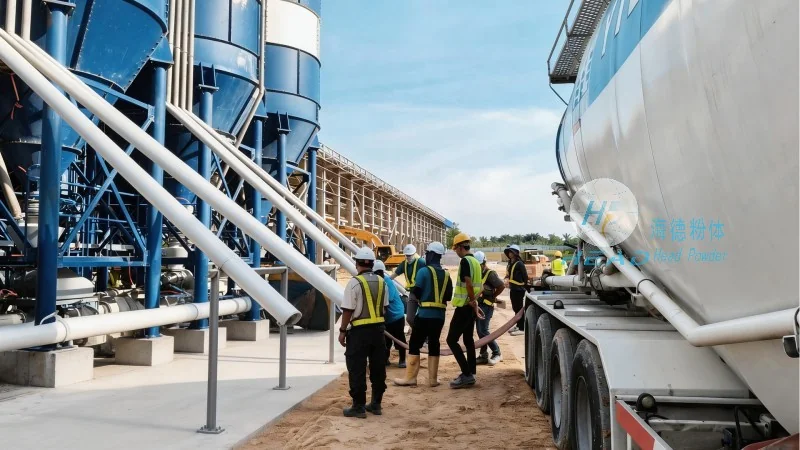
Light calcium gas-pneumatic conveyors are widely used in the light calcium carbonate industry for various applications. They are commonly employed in the production of light calcium products, such as fillers for plastics, paints, and coatings, where the material needs to be transported from storage to processing equipment. The system is also used in the packaging and distribution stages, where the light calcium is transferred from bulk storage to packaging machines or containers. The efficiency and reliability of the pneumatic conveyor make it an ideal choice for high-volume production environments, ensuring consistent material flow and minimal downtime.
Conclusion
In conclusion, light calcium gas-pneumatic conveyors are an efficient and effective solution for transporting light calcium carbonate. The operation process involves feeding the material into the hopper, generating airflow with a blower, and transporting the material through the pipeline to a receiver. The working principle is based on pneumatic transport, where the material is suspended in the air stream and moved by the airflow. The system offers advantages such as dust control, flexibility, and suitability for long-distance transport. Companies like Shandong HeadPowder Engineering Co., Ltd., based in China, specialize in manufacturing and supplying such conveyors, providing reliable equipment for the light calcium industry.