

The Operation Process and Working Principle of a Zinc Powder Pneumatic Conveying Machine
For industrial applications requiring the efficient and safe handling of zinc powder, a specialized piece of equipment known as a zinc powder pneumatic conveying machine plays a crucial role. This system is designed to transport zinc powder through a pipeline using air pressure, offering a solution that minimizes dust exposure and ensures consistent material flow. The following content will explore the detailed operation process and working principles of such a machine, highlighting its key components and operational mechanisms.
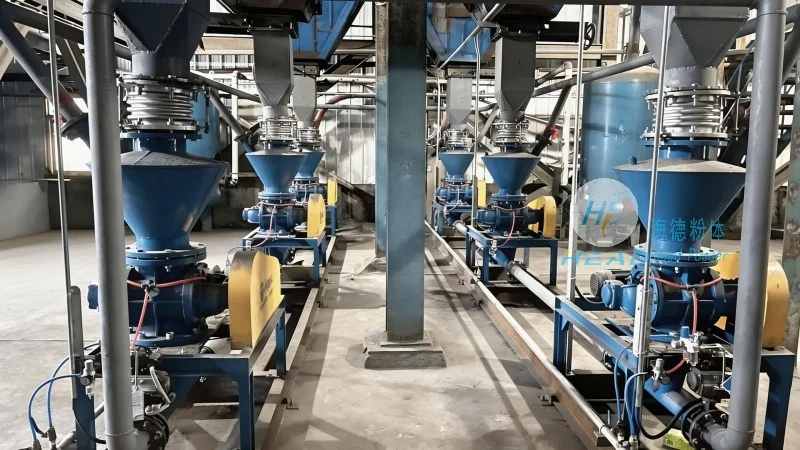
Company Introduction: HeadPowder Engineering
Shandong HeadPowder Engineering Co., Ltd., commonly referred to as HeadPowder, is a leading manufacturer in the field of pneumatic conveying systems. With a focus on innovation and quality, the company specializes in developing customized solutions for various powder handling needs. HeadPowder's facilities are located in Shandong, China, where they leverage advanced technology and expertise to produce reliable and efficient equipment for industries such as metallurgy, chemical processing, and pharmaceuticals. The company's commitment to customer satisfaction and product excellence has established it as a trusted partner in the global market for pneumatic conveying solutions.
Understanding Pneumatic Conveying Systems
Pneumatic conveying, or air conveying, is a method of transporting bulk materials through a pipeline by using air as the conveying medium. In the case of zinc powder, this technique is particularly advantageous due to the material's fine particle size and potential for dust generation. The primary goal of a zinc powder pneumatic conveying machine is to move the powder from a storage or processing point to a destination, such as a reactor, storage silo, or packaging unit, while maintaining the integrity of the material and minimizing environmental impact.
Key Components of a Zinc Powder Pneumatic Conveying Machine
The zinc powder pneumatic conveying machine consists of several critical components that work in tandem to achieve efficient material transport. These components include the hopper, feeder, air compressor, pipeline system, and receiver. Each component plays a specific role in the overall operation of the system.
The hopper is the initial storage container for the zinc powder. It is typically designed with a wide opening to facilitate easy loading and a smooth interior to prevent material buildup or caking. The hopper is equipped with a feeder, which is responsible for controlling the flow rate of the powder into the system. The feeder may be a rotary valve, a screw feeder, or a vibratory feeder, depending on the specific requirements of the application. Its primary function is to regulate the amount of powder entering the pipeline, ensuring a consistent and controlled flow.
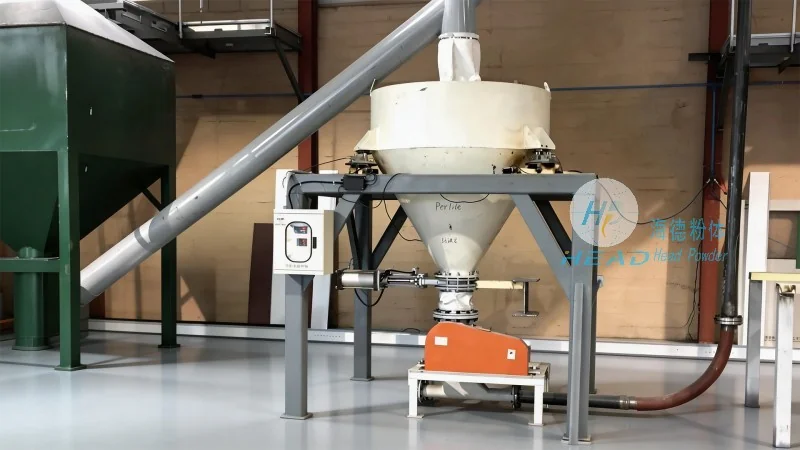
The air compressor is the heart of the pneumatic conveying system. It generates the necessary air pressure to move the powder through the pipeline. The compressor can be either a positive displacement type or a centrifugal type, with the choice depending on the system's capacity and pressure requirements. The air is then directed into the pipeline, where it creates a flow that entrains the zinc powder particles. The air velocity in the pipeline must be sufficient to overcome the gravitational forces acting on the powder and to maintain the powder in a suspended state.
The pipeline system is a network of pipes that connects the hopper, feeder, and receiver. The pipes are typically made of materials such as stainless steel or polyethylene, chosen for their resistance to corrosion and wear from the zinc powder. The pipeline may include bends, elbows, and other fittings that are designed to minimize pressure loss and prevent material deposition. The receiver is the final destination for the zinc powder, where it is collected and stored or transferred to the next stage of the process.
The Operation Process of a Zinc Powder Pneumatic Conveying Machine
The operation of a zinc powder pneumatic conveying machine involves several sequential steps that ensure the smooth and efficient transport of the material. The process begins with the loading of the hopper with zinc powder. Once the hopper is filled, the feeder is activated to control the flow rate of the powder into the pipeline. Simultaneously, the air compressor is started, generating the required air pressure.
As the feeder releases the zinc powder, the air from the compressor is introduced into the pipeline. The air creates a high-velocity flow that entrains the powder particles, forming a slurry of air and powder. This mixture travels through the pipeline, overcoming the effects of gravity and friction. The pipeline's design, including the angle and length, is optimized to maintain the suspended state of the powder, preventing it from settling or caking.
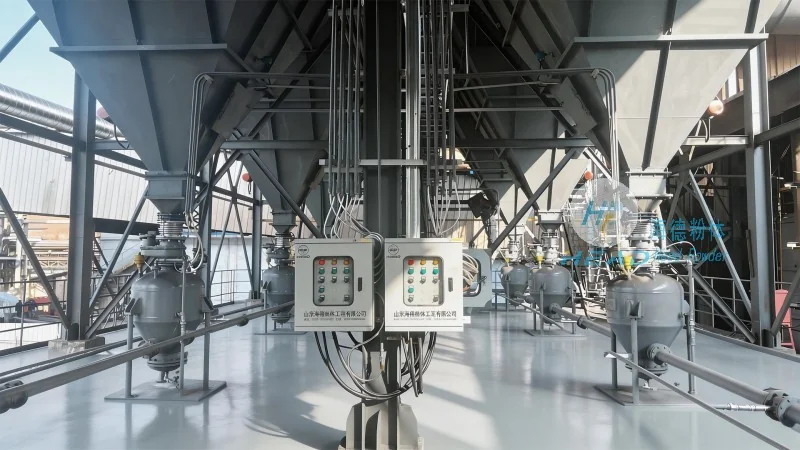
At the receiving end of the pipeline, the mixture enters the receiver. The receiver is equipped with a separator, which may be a cyclone or a filter, to separate the air from the powder. The air is then discharged to the atmosphere or recirculated, while the zinc powder is collected in the receiver's storage chamber. The powder is then discharged from the receiver through a valve or a conveyor, completing the transport process.
Working Principles: How the Machine Transports Zinc Powder
The working principle of a zinc powder pneumatic conveying machine is based on the fundamental concept of fluidization and suspension. The air compressor provides the necessary pressure to create a flow of air through the pipeline. The air velocity is maintained at a level that is sufficient to keep the zinc powder particles suspended in the air stream. This suspension is achieved by balancing the forces acting on the particles, including gravity, drag, and lift forces.
When the air flows through the pipeline, it creates a pressure drop that draws the powder from the hopper into the pipeline. The feeder controls the rate at which the powder is introduced, ensuring that the air flow can handle the material without causing blockages or excessive pressure buildup. The pipeline's design, including the diameter and length, is critical to maintaining the appropriate air velocity and pressure. If the air velocity is too low, the powder may settle and cause clogging; if it is too high, excessive energy consumption and wear on the system components may occur.
The separation process at the receiver is also based on the principle of density difference. The air, being less dense than the zinc powder, rises and exits the receiver, while the powder, being denser, settles and is collected. The separator may use centrifugal force to separate the air and powder, or it may employ a filter to trap any fine particles that may have escaped the primary separation. This separation ensures that the zinc powder is delivered to the receiver in a clean and dry state, ready for further processing or storage.
Advantages of Using a Zinc Powder Pneumatic Conveying Machine
Implementing a zinc powder pneumatic conveying machine offers several advantages over traditional methods of powder handling, such as bucket elevators or belt conveyors. One of the primary benefits is the reduction in dust exposure. Since the material is transported in a closed pipeline, there is minimal contact with the environment, minimizing the risk of inhalation or contamination. This is particularly important for zinc powder, which can be hazardous if inhaled in large quantities.
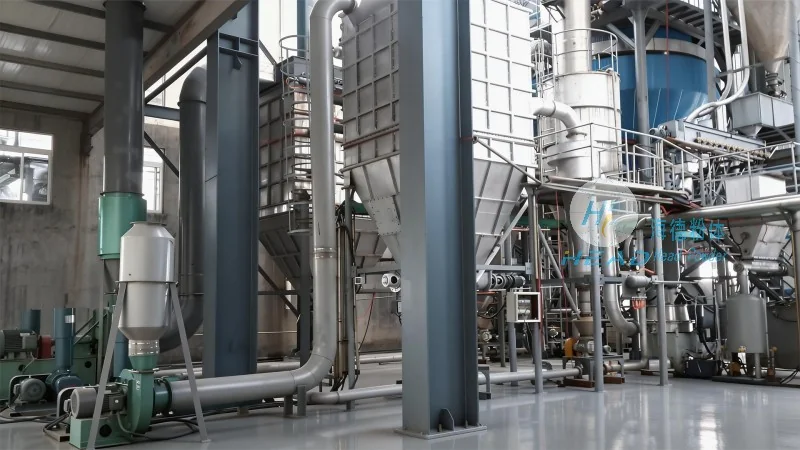
Another advantage is the ability to transport the powder over long distances with minimal energy consumption. The pneumatic system can move the material efficiently through the pipeline, even when the distance is significant. This reduces the need for multiple transfer points and associated equipment, simplifying the overall process and lowering operational costs.
The system also provides better control over the flow rate and consistency of the material. The feeder can be adjusted to maintain a steady flow of zinc powder, ensuring that the downstream processes receive a consistent supply. This consistency is crucial for applications where the quality of the powder is critical, such as in metallurgical processes or pharmaceutical manufacturing.
Additionally, the pneumatic conveying system is more flexible in terms of layout and installation. The pipeline can be arranged in various configurations, including vertical, horizontal, or a combination of both, to suit the specific requirements of the facility. This flexibility allows for easier integration into existing production lines or new installations.
Conclusion
The zinc powder pneumatic conveying machine is a sophisticated and efficient solution for the handling of zinc powder in industrial applications. By leveraging the principles of pneumatic conveying, this equipment ensures the safe, clean, and reliable transport of the material from one point to another. With its robust design and advanced components, the machine offers numerous benefits, including reduced dust exposure, energy efficiency, and process control. As a leading manufacturer, Shandong HeadPowder Engineering Co., Ltd. continues to innovate and improve its pneumatic conveying systems, providing customers with high-quality solutions that meet the evolving needs of the industry.