

Operation Process and Working Principle of Automatic Tonne Bag Feeding Pneumatic Conveying Machine
The automatic tonne bag feeding pneumatic conveying machine is a specialized industrial equipment designed for efficient and automated material handling, particularly for bulk materials stored in tonne bags. This equipment is engineered to streamline the process of transferring bulk materials from the bags into a processing system, ensuring high efficiency and minimal human intervention. The machine is widely used in various industries such as food processing, chemical manufacturing, and pharmaceutical production, where precise and clean material transfer is critical.
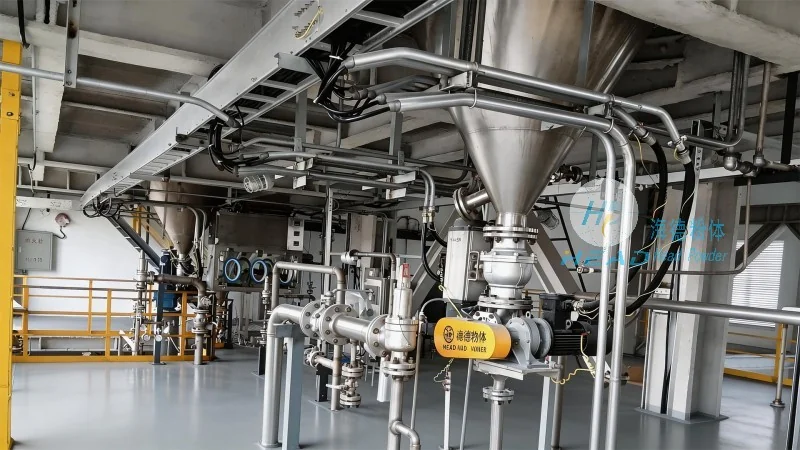
Company Overview: Shandong HeadPowder Engineering Co., Ltd.
HeadPowder, the manufacturer of this advanced pneumatic conveying system, is a leading company in the field of powder and bulk material handling solutions. With a strong focus on innovation and quality, HeadPowder has established itself as a trusted partner for businesses seeking reliable and efficient material handling equipment. The company is headquartered in Shandong, China, and is committed to providing customized solutions tailored to the specific needs of its clients. HeadPowder's expertise lies in designing and manufacturing equipment that meets the highest standards of performance, safety, and durability.
Key Features and Components of the Pneumatic Conveying Machine
The automatic tonne bag feeding pneumatic conveying machine consists of several key components that work in harmony to achieve efficient material transfer. The primary components include a hopper for receiving the tonne bag, an automatic bag opening mechanism, a feeder to control the flow of material, a pneumatic conveying system with a blower or compressor, and a discharge outlet for delivering the material to the processing unit. The machine is equipped with advanced sensors and controls that ensure smooth operation and prevent any blockages or overflows. The design of the machine is compact and space-efficient, making it suitable for installation in various industrial settings.
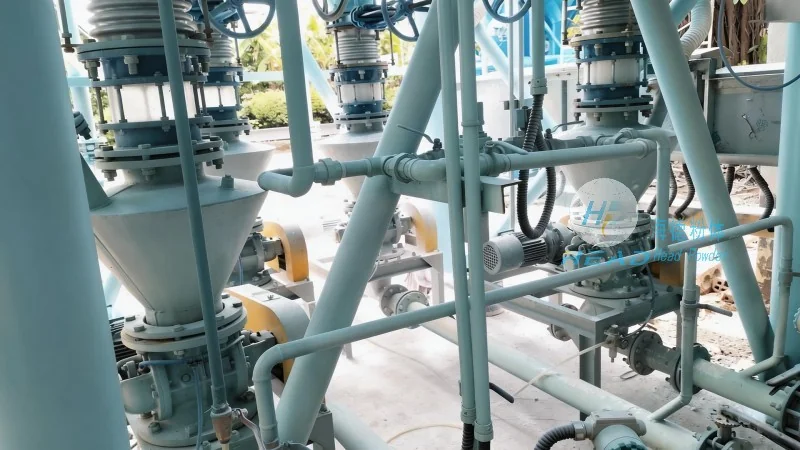
Operation Process of the Automatic Tonne Bag Feeding Pneumatic Conveying Machine
The operation of the automatic tonne bag feeding pneumatic conveying machine involves several steps that are automated to minimize human involvement. First, the tonne bag is placed on the hopper of the machine. The machine is equipped with a sensor that detects the presence of the bag, triggering the automatic bag opening mechanism. This mechanism typically involves a mechanical or pneumatic system that cuts or tears open the top of the bag, allowing the material to flow into the hopper. The hopper is designed with a sloped surface to facilitate the smooth flow of material from the bag into the feeder. The feeder, which is a critical component of the system, is responsible for controlling the flow rate of the material. It is equipped with a variable speed motor or a control valve that adjusts the flow based on the material's properties and the required processing rate. The feeder ensures that the material is discharged at a consistent rate, preventing overloading or underloading of the pneumatic conveying system. Once the material is in the feeder, the pneumatic conveying system takes over. The system includes a blower or a compressor that generates a high-pressure air stream. The air stream is directed into the conveying pipe, creating a pressure differential that pulls the material from the feeder into the pipe. The material is suspended in the air stream and transported to the discharge outlet. The discharge outlet is connected to the processing unit, such as a mixer, a storage silo, or a packaging machine. The entire process is monitored by a control panel that displays real-time data on the flow rate, pressure, and other parameters. The control system adjusts the blower speed or the feeder speed as needed to maintain optimal performance and prevent any blockages or overflows. The machine is designed to handle a wide range of materials, including powders, granules, and bulk solids, with varying particle sizes and moisture content. The automated operation reduces the need for manual labor, minimizing the risk of human error and improving workplace safety. The efficiency of the machine is further enhanced by its ability to handle multiple bags in sequence, allowing for continuous operation without interruption.

Working Principle of the Pneumatic Conveying System
The working principle of the automatic tonne bag feeding pneumatic conveying machine is based on the fundamental concept of pneumatic transport, which utilizes air or gas to move materials through a pipeline. The system operates by creating a pressure difference between the intake and discharge points, which is achieved by a blower or compressor that generates a high-pressure air stream. The key components of the pneumatic conveying system include the hopper, feeder, conveying pipe, and discharge outlet. The hopper serves as the initial collection point for the material from the tonne bag. The feeder then regulates the flow of material into the conveying pipe. The blower or compressor provides the necessary air pressure to move the material through the pipe. The material is suspended in the air stream and transported to the discharge point. The velocity of the air stream is carefully controlled to ensure that the material is conveyed efficiently without causing excessive wear on the equipment or damaging the material. The system also includes a filter and a dust collection system to ensure that the material is transferred in a clean and dust-free manner. This is particularly important in industries such as food processing and pharmaceutical manufacturing, where contamination is a critical concern. The filter removes any fine particles or dust from the air stream, preventing them from entering the processing unit or the environment. The dust collection system collects the filtered particles and stores them in a container for disposal. The working principle of the pneumatic conveying system is efficient and reliable, making it a preferred choice for bulk material handling in various industrial applications.
Advantages and Applications of the Pneumatic Conveying Machine
The automatic tonne bag feeding pneumatic conveying machine offers several advantages over traditional material handling methods. One of the key advantages is the high efficiency and speed of material transfer, which reduces production downtime and increases overall productivity. The machine is also designed to handle a wide range of materials, making it versatile and suitable for various industrial applications. Another advantage is the minimal human intervention required, which reduces labor costs and improves workplace safety. The machine is also compact and space-efficient, making it suitable for installation in limited spaces. The applications of this machine include the transfer of bulk materials from tonne bags to storage silos, processing equipment, or packaging lines. It is commonly used in industries such as food processing, where the material needs to be handled in a clean and hygienic manner, and in chemical manufacturing, where the material needs to be transferred without contamination. The machine's ability to handle large volumes of material in a short period of time makes it ideal for high-throughput production lines. Additionally, the automated nature of the machine reduces the risk of material spillage or contamination, which is crucial for maintaining product quality and meeting regulatory standards. Overall, the automatic tonne bag feeding pneumatic conveying machine is a cost-effective and efficient solution for bulk material handling, providing businesses with a reliable and durable equipment that enhances their operational performance.