

Operation Process and Working Principle of Cotton Seed Pneumatic Conveying Equipment
Cotton seed pneumatic conveying equipment is a critical component in the processing and handling of cotton seeds. It plays a vital role in ensuring efficient and safe transportation of cotton seeds from one location to another within industrial settings. The equipment is designed to handle the unique characteristics of cotton seeds, such as their lightweight nature and potential for dust generation, while maintaining high operational efficiency and minimal product loss. This equipment is widely used in cotton processing plants, agricultural facilities, and related industries to streamline the workflow and enhance overall productivity.
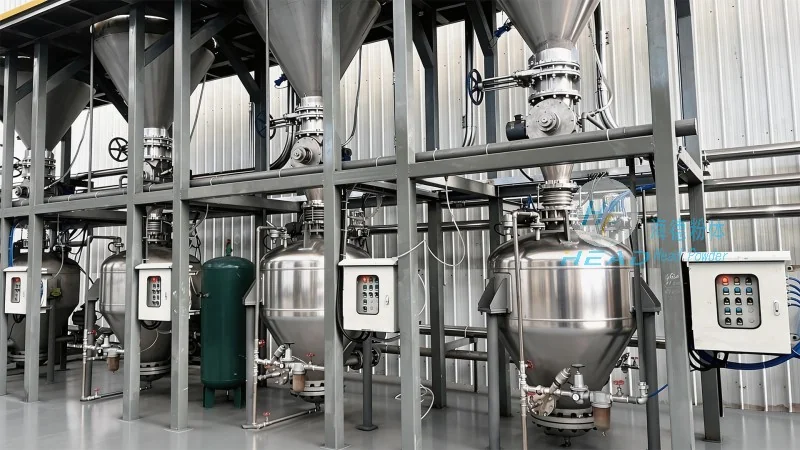
Key Components of Cotton Seed Pneumatic Conveying Systems
A typical cotton seed pneumatic conveying system consists of several key components that work in tandem to achieve effective material transport. These components include the hopper or feed hopper, which serves as the initial storage and feeding unit for the cotton seeds. The hopper is equipped with a feeding mechanism, such as a rotary valve or a screw feeder, that controls the flow of seeds into the system. The conveying line, which can be either a vertical or horizontal pipe, is the main channel through which the seeds are transported. The line is typically made of stainless steel or other corrosion-resistant materials to withstand the abrasive nature of cotton seeds and prevent contamination. Additionally, the system includes a blower or fan that generates the necessary air pressure to move the seeds through the pipeline. The air flow is regulated by a control valve to maintain optimal pressure and prevent excessive wear on the equipment. A dust collector or filter may also be integrated into the system to capture any airborne particles and ensure a clean working environment.
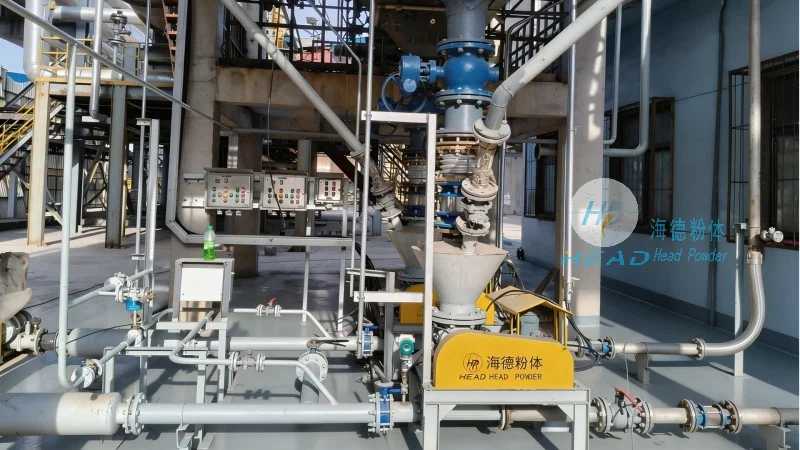
The Operation Process of Cotton Seed Pneumatic Conveying
The operation process of cotton seed pneumatic conveying involves several sequential steps that ensure smooth and continuous material transport. The process begins with the loading of cotton seeds into the feed hopper. The feeding mechanism then starts to discharge the seeds into the conveying line at a controlled rate. Simultaneously, the blower generates a high-pressure air stream that travels through the pipeline. As the seeds enter the line, they are entrained by the air and carried along the pipeline to the discharge point. The air and seeds mixture travels through the vertical or horizontal sections of the line, depending on the system design. At the discharge end, a separator or cyclone separates the seeds from the air stream, allowing the seeds to be deposited into the receiving container. The air, now filtered or cleaned, is then discharged back into the environment or recirculated if necessary. This process is typically automated, with sensors and control systems monitoring the flow rate, pressure, and other parameters to maintain consistent performance. The entire operation is designed to minimize downtime and maximize throughput, ensuring that cotton seeds are transported efficiently and safely from the source to the destination.
Working Principle of Cotton Seed Pneumatic Conveying
The working principle of cotton seed pneumatic conveying is based on the principle of pneumatic transport, where solid materials are carried by a moving air stream. The system operates by creating a pressure differential between the inlet and outlet of the conveying line. The blower or fan supplies the necessary air pressure, which is sufficient to overcome the resistance of the pipeline and the weight of the cotton seeds. As the air flows through the line, it entrains the seeds, forming a mixture of air and solids. The velocity of the air stream is critical; it must be high enough to lift and transport the seeds but not so high as to cause excessive wear or damage to the equipment. The design of the conveying line, including its diameter and length, is carefully calculated to ensure that the air velocity remains within optimal ranges. The separator at the discharge end uses centrifugal force to separate the seeds from the air, as the heavier seeds are forced to the outer edge of the cyclone and fall into the collection container, while the lighter air is discharged through the top. This separation process is efficient and ensures that the cotton seeds are delivered in a clean and dry state, ready for further processing or storage. The entire system is engineered to balance efficiency, reliability, and cost-effectiveness, making it a preferred choice for cotton seed handling applications.
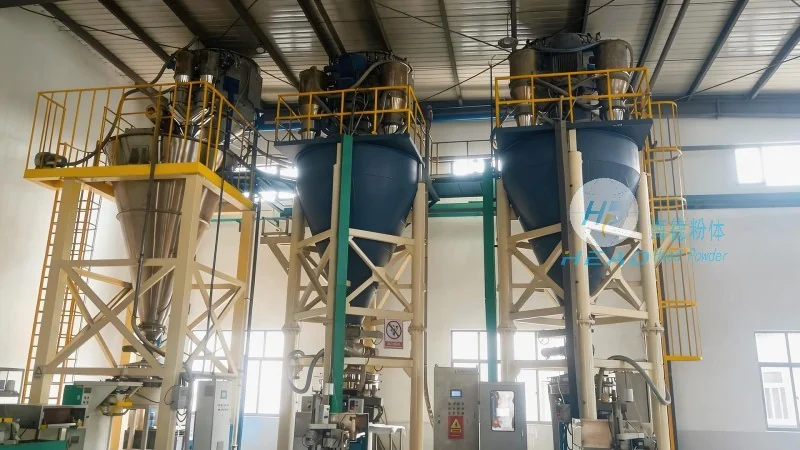
About Shandong HeadPowder Engineering Co., Ltd.
Shandong HeadPowder Engineering Co., Ltd., commonly known as HeadPowder, is a leading manufacturer and supplier of industrial pneumatic conveying equipment. With a strong focus on innovation and quality, the company specializes in designing and producing customized solutions for various material handling needs, including cotton seed processing. HeadPowder has a team of experienced engineers and technicians who work closely with clients to understand their specific requirements and develop tailored solutions. The company adheres to strict quality control standards and uses advanced manufacturing techniques to ensure that its products meet the highest industry standards. HeadPowder's cotton seed pneumatic conveying equipment is known for its durability, efficiency, and reliability, making it a trusted choice for businesses in the cotton industry. The company's commitment to customer satisfaction and continuous improvement has helped it establish a strong reputation in the market, serving clients both domestically and internationally. HeadPowder's facilities are located in Shandong, China, where the company leverages its local expertise and resources to deliver high-quality products and services to its customers.