

Operation Process and Working Principle of Gypsum Ash Pneumatic Conveying Machine
For industrial facilities handling gypsum ash, efficient material transport is crucial for maintaining operational efficiency and safety. The gypsum ash pneumatic conveying machine, a specialized equipment designed by Shandong HeadPowder Engineering Co., Ltd., offers a reliable solution for transporting gypsum ash from storage to processing or disposal areas. This equipment combines advanced pneumatic technology with robust engineering to ensure smooth and safe material movement, reducing downtime and operational costs.
Company Background: HeadPowder
Shandong HeadPowder Engineering Co., Ltd., commonly known as HeadPowder, is a leading manufacturer in the field of material handling equipment. With a strong focus on innovation and quality, HeadPowder has established itself as a trusted partner for industries requiring advanced pneumatic conveying solutions. The company’s headquarters is located in Shandong, China, where it develops and manufactures equipment tailored to meet the specific needs of clients across various sectors, including power plants, cement factories, and waste management facilities.
The Operation Process of Gypsum Ash Pneumatic Conveying Machines
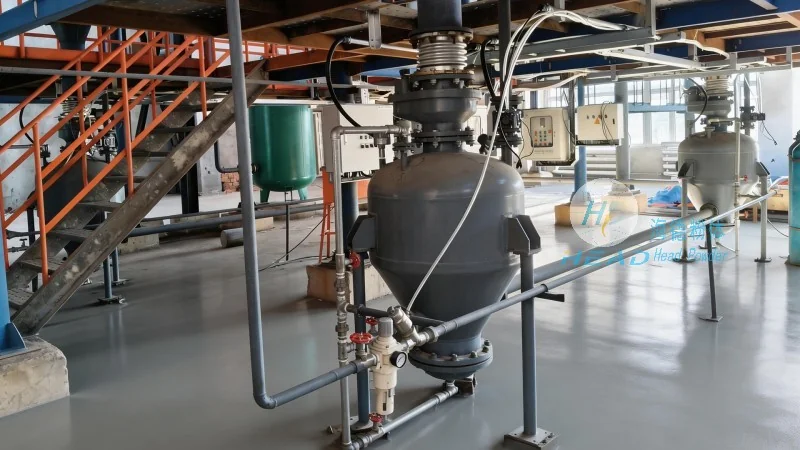
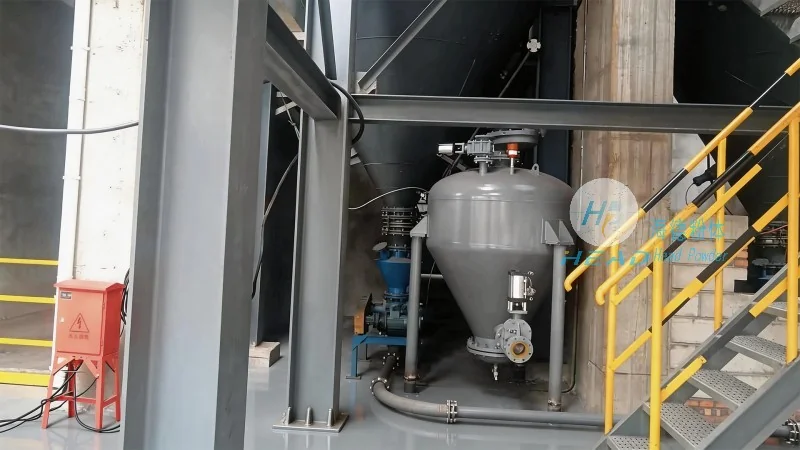
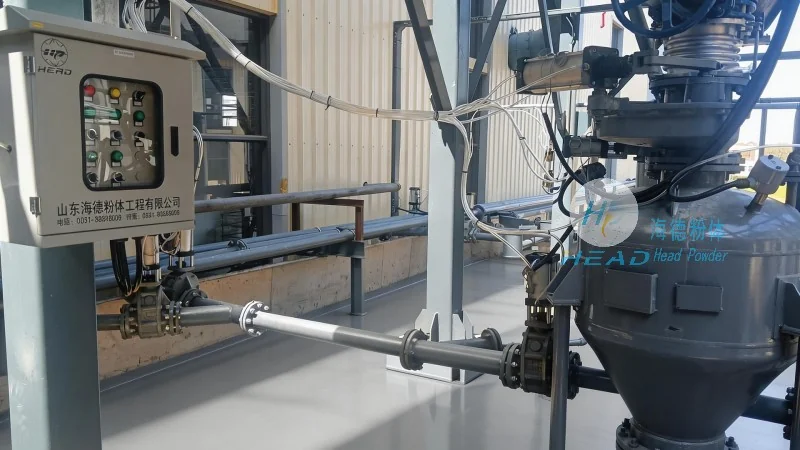
The operation of a gypsum ash pneumatic conveying machine involves several key steps that ensure the efficient and safe transport of gypsum ash. The process typically begins with the loading of gypsum ash into the hopper or storage silo. From there, the material is drawn into the conveying system using a combination of air pressure and vacuum, depending on the specific design of the machine. The machine’s control system regulates the air flow and pressure to maintain consistent material flow, preventing blockages and ensuring uniform transport. As the gypsum ash moves through the pipeline, it is propelled by the high-velocity air stream, which carries the material to the discharge point. The system is equipped with sensors and monitoring devices to detect any abnormalities, such as blockages or pressure changes, allowing for immediate adjustments to maintain optimal performance. The operation process begins with the loading of gypsum ash into the hopper, which is designed with a sloped bottom to facilitate material flow. The hopper is connected to the conveying line, and the material is drawn into the line using a high-pressure air stream. The control panel activates the blower, which adjusts the air pressure to the required level. The air stream creates a low-pressure area in the line, pulling the gypsum ash from the hopper into the pipeline. The material is suspended in the air stream and transported through the pipeline to the discharge point. The discharge point is typically located at the processing or disposal area, where the gypsum ash is collected in a container or directly into a processing unit. Sensors monitor the pressure and flow rate, providing real-time data to the operator. If any issues are detected, such as a blockage or a drop in pressure, the system will automatically shut down to prevent damage to the equipment or the material.
Working Principle of Gypsum Ash Pneumatic Conveying Machines
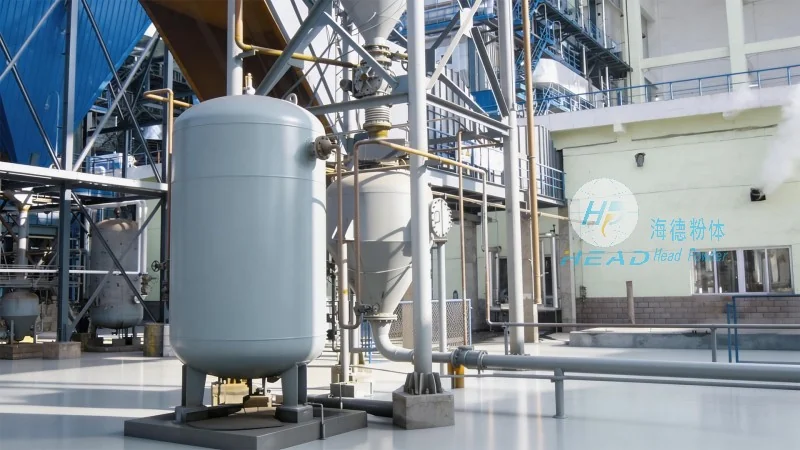
The working principle of a gypsum ash pneumatic conveying machine is based on the principles of fluid dynamics and air movement. The machine utilizes a positive or negative pressure system to transport the gypsum ash. In a positive pressure system, high-pressure air is introduced into the conveying line, pushing the material forward. In a negative pressure system, the machine creates a vacuum that pulls the material into the pipeline. The choice between these systems depends on factors such as the distance to be covered, the amount of material to be transported, and the specific characteristics of the gypsum ash. The machine’s design includes components such as a blower, filter, and cyclone separator to ensure that the air used for conveying is clean and that the material is separated from the air before discharge. This separation process is critical for maintaining the quality of the gypsum ash and preventing contamination. The blower generates a high-velocity air stream, which is directed into the conveying line. The air stream creates a low-pressure area in the line, drawing the gypsum ash from the hopper into the pipeline. The material is suspended in the air stream and transported through the line. The air and material mixture then passes through a filter and cyclone separator, where the air is separated from the material. The air is then discharged through a filter, while the gypsum ash is collected in a container. The separation process is achieved through the use of high-quality filters and separators, which are designed to remove any particles from the air before it is discharged. This ensures that the gypsum ash remains clean and free from dust or other contaminants.