

Principle of Sand and Soil Pneumatic Conveying Equipment
HeadPowder, a leading enterprise in the field of material handling technology, specializes in the design, manufacturing, and supply of advanced pneumatic conveying systems. Based in Shandong, China, the company has established itself as a reliable partner for industries requiring efficient and reliable sand and soil transportation solutions. This article delves into the fundamental principles underlying the operation of such equipment, highlighting the key components, working mechanisms, and practical applications that define modern pneumatic conveying technology.
Core Components of Pneumatic Conveying Systems
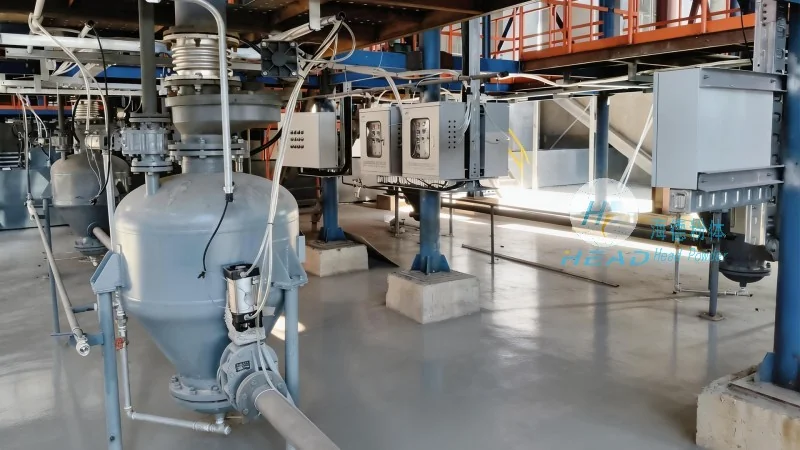
The pneumatic conveying equipment for sand and soil typically consists of several critical components that work in tandem to ensure smooth material transport. The primary elements include a feeding hopper, a blower or compressor to generate the air flow, a pipeline system for material and air movement, a separator to separate the conveyed material from the air, and a discharge outlet. Each component plays a vital role in the overall efficiency and effectiveness of the system. The feeding hopper is designed to store and feed the bulk material into the pipeline, while the blower provides the necessary pressure or vacuum to move the material through the system. The pipeline network, often made of stainless steel or other corrosion-resistant materials, ensures the material travels from the inlet to the outlet without obstruction. The separator, such as a cyclone or bag filter, is crucial for separating the solid particles from the air stream, preventing dust contamination and ensuring the material is delivered in a clean state. Finally, the discharge outlet allows the processed sand or soil to be collected in the desired location.
Working Principle of Pneumatic Conveying
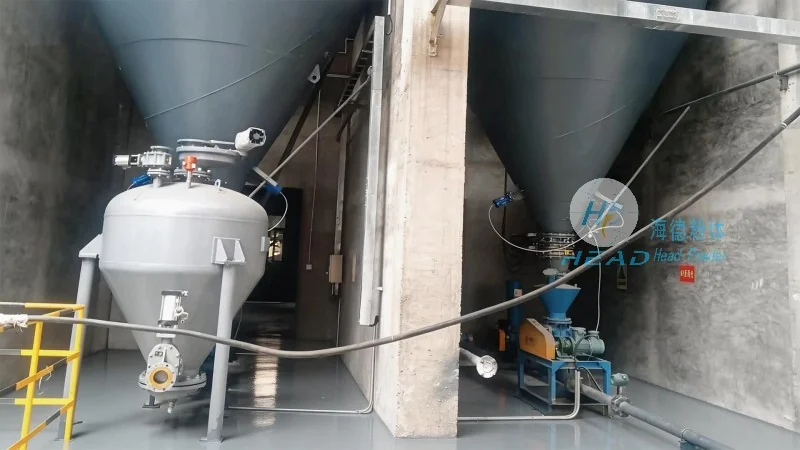
The operation of sand and soil pneumatic conveying equipment is based on the principle of transporting bulk materials in a fluidized or suspended state using air as the conveying medium. There are two main types of pneumatic conveying systems: pressure systems and vacuum systems. In pressure systems, the blower operates under positive pressure, pushing the material through the pipeline. The material is fed into the system and becomes suspended in the air stream, moving along the pipeline due to the pressure differential. In vacuum systems, the blower creates a negative pressure, drawing the material into the pipeline from the feeding hopper. The material is then carried through the system by the air flow, which is maintained at a consistent velocity to prevent material settling. The key to efficient operation lies in maintaining the correct air velocity and pressure to ensure the material remains in suspension without causing excessive wear on the system components. The design of the system, including the size of the pipeline, the type of blower, and the configuration of the separator, all contribute to the optimal performance of the pneumatic conveying process.
Application and Advantages in Sand and Soil Handling
Pneumatic conveying equipment is widely used in various industries for the transportation of sand, soil, and other bulk materials. Its applications range from construction sites and mining operations to industrial processing facilities and waste management systems. The primary advantages of using pneumatic conveying for sand and soil include high efficiency in material transport, reduced labor costs due to automated systems, and minimal environmental impact compared to traditional methods like truck or conveyor belt transport. The equipment allows for continuous and unattended operation, which is particularly beneficial in large-scale production environments. Additionally, pneumatic conveying systems can handle materials with varying particle sizes and moisture content, making them versatile for different industrial needs. The ability to transport materials over long distances without the need for intermediate storage or transfer points further enhances the operational flexibility of these systems. For industries dealing with sand and soil, the adoption of pneumatic conveying technology offers significant improvements in productivity, safety, and cost-effectiveness.
Conclusion and Company Overview
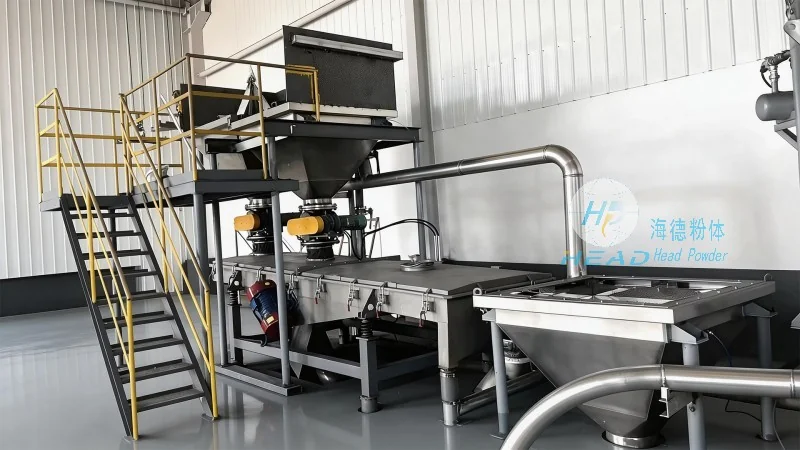
HeadPowder Engineering Co., Ltd., based in Shandong, China, is committed to providing innovative and reliable pneumatic conveying solutions for the efficient handling of sand and soil. By leveraging advanced engineering and manufacturing capabilities, the company ensures that its equipment meets the highest standards of performance, durability, and safety. The principles of pneumatic conveying, as outlined in this article, form the foundation of modern material handling technology, enabling industries to streamline their operations and achieve greater efficiency in the transportation of bulk materials. With a focus on customer satisfaction and technological advancement, HeadPowder continues to be a trusted partner in the development and implementation of pneumatic conveying systems for diverse industrial applications.