

Principle of Magnesium Powder Pneumatic Conveying Equipment
HeadPowder, a leading manufacturer based in Shandong, China, specializes in the design and production of advanced pneumatic conveying systems tailored for handling magnesium powder. This article delves into the fundamental principles behind the operation of such equipment, emphasizing the technical aspects that ensure efficient and reliable material transport.
Core Components and Their Functions
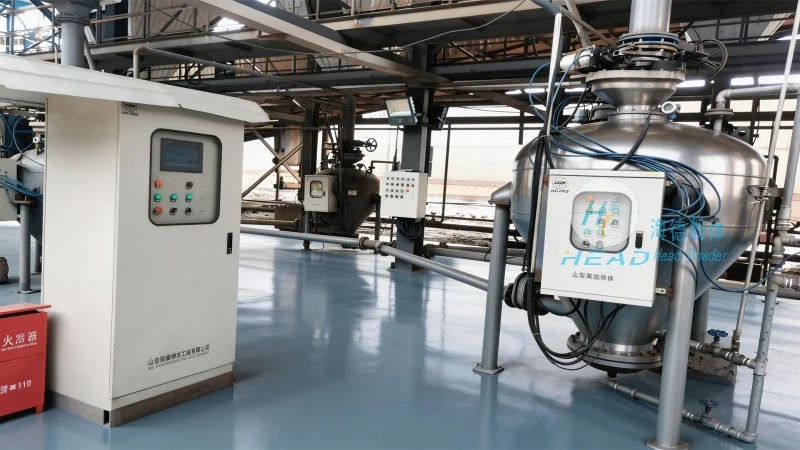
The pneumatic conveying system for magnesium powder typically consists of several key components, each playing a crucial role in the overall process. These include the material hopper, which serves as the storage and feeding unit; the air compressor or blower, responsible for generating the necessary airflow; the pipeline system that transports the powder; and the discharge unit where the material is released. Each component must be carefully selected and integrated to maintain the integrity of the magnesium powder and ensure optimal performance.
The Pneumatic Conveying Process
The operation of magnesium powder pneumatic conveying equipment relies on the principle of using air to move solid particles. In this system, compressed air is introduced into the material hopper, creating a pressure differential that lifts the magnesium powder particles and propels them through the pipeline. The speed and pressure of the air are critical factors, as they directly influence the conveying efficiency and the risk of particle degradation or blockage. Proper control of these parameters is essential to maintain a consistent flow rate and prevent issues such as clogging or material degradation.
Advantages of Pneumatic Conveying for Magnesium Powder
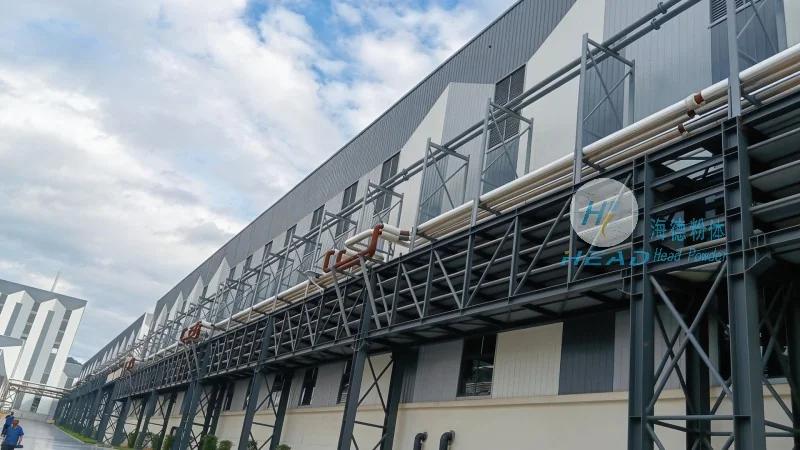
Compared to traditional mechanical conveying methods, pneumatic systems offer several advantages when handling magnesium powder. These include the ability to transport materials over long distances without the need for multiple transfer points, reduced risk of contamination due to enclosed systems, and improved safety by eliminating the need for manual handling of powders. Additionally, pneumatic conveying can handle a wide range of particle sizes and moisture contents, making it versatile for various industrial applications.
Considerations for System Design and Maintenance
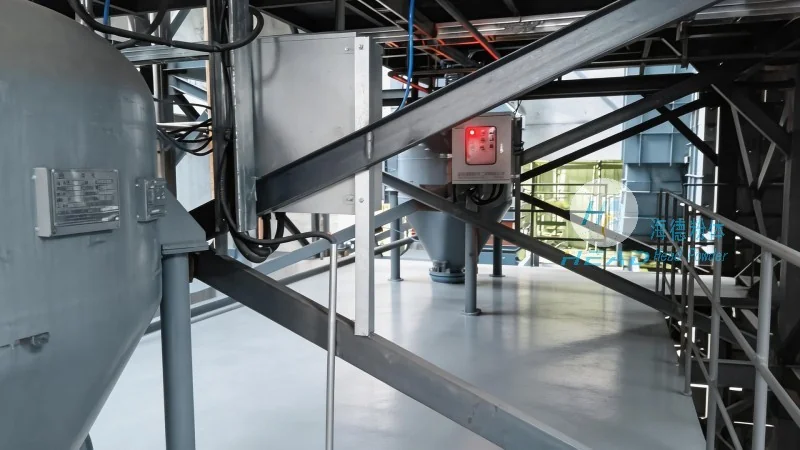
Designing an effective pneumatic conveying system for magnesium powder requires careful consideration of several factors, including the particle size distribution, moisture content, and flow characteristics of the material. The system must be designed to prevent particle agglomeration and ensure that the air flow is sufficient to maintain a consistent velocity throughout the pipeline. Regular maintenance is also crucial to ensure the longevity and reliability of the equipment. This includes cleaning the pipelines, checking for air leaks, and replacing worn components to prevent system failures.
Conclusion
HeadPowder's expertise in manufacturing magnesium powder pneumatic conveying equipment ensures that clients receive high-quality systems that meet their specific operational needs. By understanding the fundamental principles and components of such equipment, users can optimize their material handling processes, improve efficiency, and reduce operational costs. The company's commitment to quality and innovation positions it as a trusted partner in the industrial sector for pneumatic conveying solutions.